1) The defense forced multiple fumbles and showed a knack for creating turnovers
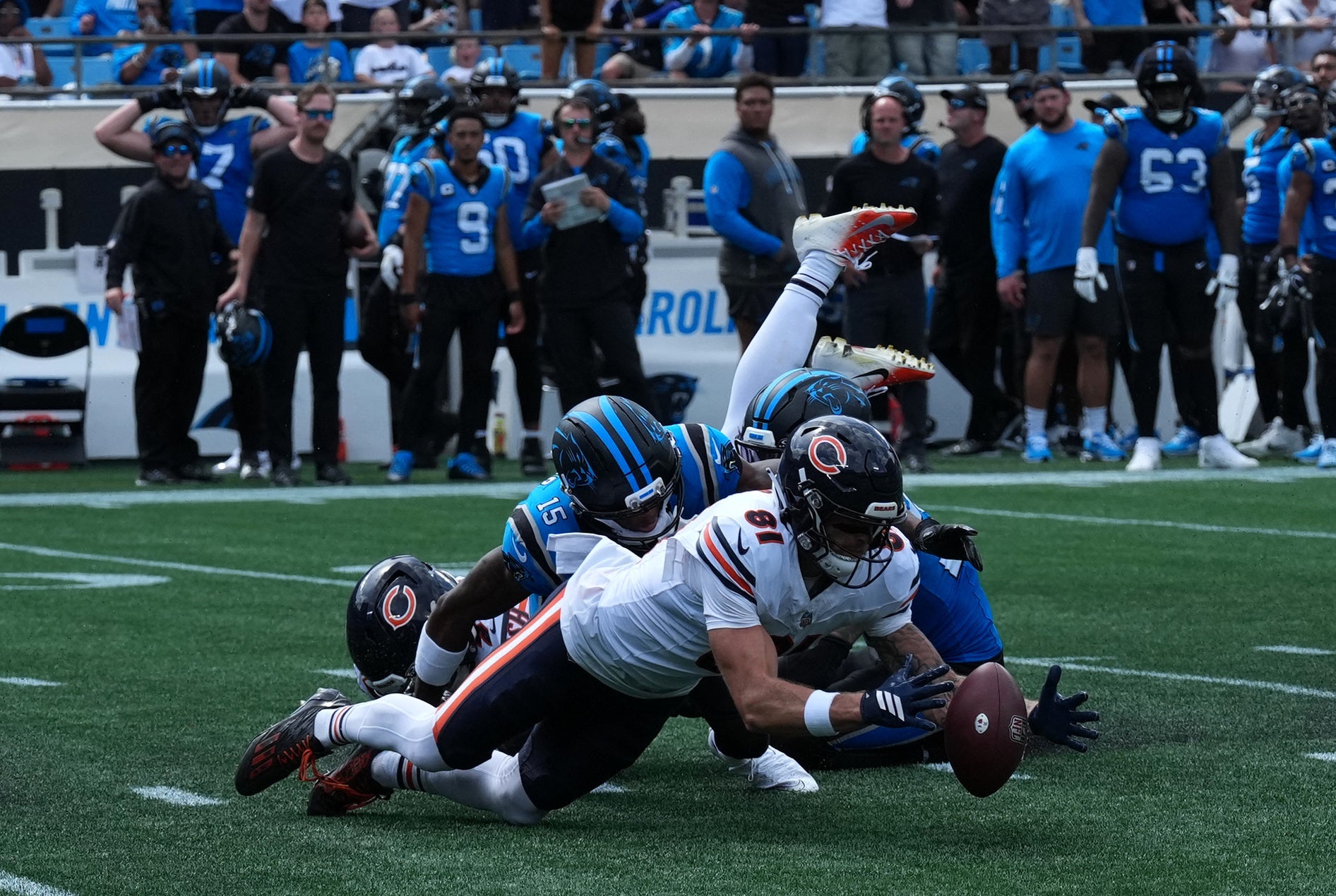
– Despite an overall rough night defending the run and containing the pass, Dallas’ defense stood out by punching the football free from the Giants’ ball carriers on four separate occasions. Calibrating their first-week execution, the Cowboys forced four fumbles, with each strip coming from a different defender: Caleb Downs, Cobie Durant, Donovan Ezeiruaku, and a strip sack by an unidentified contributor on a blitz that led to a fumbled ball.
– The recurring emphasis on causing fumbles is notable. In the NFL, consistently forcing fumbles increases the odds of securing turnovers over time, even if a few bounces don’t go your way in a single game. While none of the forced fumbles were recovered in this particular contest, the process of applying ball disruption pressure is a positive signal for the defense’s playmaking potential.
– The takeaway here is not to overreact to a single game, but to recognize a defensive identity that prioritizes creating change-of-possession opportunities. If the Cowboys can sustain this level of ball disruption in future games, they can flip field position and provide their offense with more favorable starting points.
2) Tyler Guyton held up well at left tackle against a high-end pass rusher
– A standout performance came from left tackle Tyler Guyton, who faced Giants edge rusher Brian Burns for the majority of the game. Guyton held Burns without recording a single pressure for a substantial portion of the night, a strong sign of his NFL-ready potential at the left tackle position.
– Over 36 dropbacks, Guyton allowed only two pressures, with some of the challenges coming against Abdul Carter. While Carter is a formidable opponent, the overall result suggests Guyton can anchor the blind side and be a reliable anchor in pass protection.
– In the running game, Guyton demonstrated impactful run-blocking with players moving off the ball and climbing to the second level. His physical play helped create running lanes and move the chains, showcasing the physical and technical tools necessary to be a dominant force on the edge.
– This development matters because solidifying left tackle play can unlock more consistent offensive efficiency. If Guyton continues to grow in this role, Dallas can shift more attention to balancing protection as the right tackle situation evolves, allowing the offense to function more smoothly overall.
3) Dak Prescott showed resilience, efficiency, and missed worse errors
– Prescott had a game that featured an interception that deserved more criticism than the rest of his performance. The pick occurred on a throw that was intended to be an out-of-bounds throw but didn’t reach the sideline, resulting in a critical turnover.
– Beyond the interception, Prescott delivered a strong overall performance. He posted the second-highest quarterback rating for the week across the league at one point and earned a top-5 EPA per play ranking through the early portion of the season, illustrating efficiency and decision-making that kept the offense moving in several drives.
– Prescott demonstrated poise in the pocket and largely navigated the pressure he faced, including facing a relentless pass rush that tested the interior protection. He executed quick passes to get the ball out rapidly, and when the protection held, he found receivers downfield with precision.
– While no quarterback is immune to mistakes, the optics suggest the Cowboys’ offense can operate at a high level even when the pass protection isn’t perfect. The ability to move the ball efficiently, deliver on time, and connect on deep and intermediate routes provides a foundation for continued success as the unit builds rhythm.
Additional observations and context
– Penalties and situational miscues: The night featured a few penalties and a late-game taunting flag that hindered momentum. While these are cleaner markers than systemic issues, they represent areas for improvement as the Cowboys refine discipline and execution across four quarters.
– Offensive rhythm: Despite the rough opening, the Cowboys found a workable rhythm on offense, especially in the second and third quarters when the ball move became more consistent. The combination of Prescott’s distribution and Guyton’s steady coaching of the edge suggests this unit can maintain a high level of play as the season progresses.
– Overall takeaway: The Week 1 results present a mixed picture—playmaking defense with fumbles, an emerging left-tackle performance, and an efficient quarterback showing resilience. If these threads continue to develop, the Cowboys could translate the early-season positives into sustained wins.
In summary, while the loss was disappointing, the game produced tangible positives: a defense capable of forcing fumbles, a breakout performance from Tyler Guyton at left tackle, and quarterback Dak Prescott demonstrating efficiency and poise under pressure. As the season unfolds, these elements could converge to bolster Dallas’ competitiveness and help the team recover quickly after a tough opening showcase.