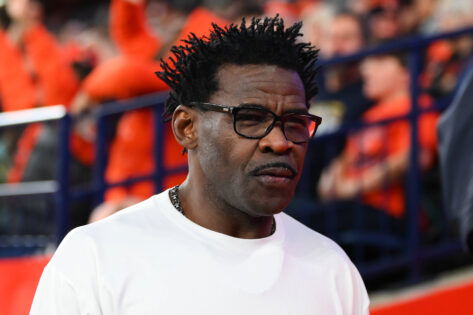
McCoy spoke on the Speakeasy Podcast, noting that it’s unfair to portray Manning’s actions as a bad choice when he was simply responding to a question. He emphasized that Manning is a young athlete navigating a landscape saturated with AI edits and online commentary, much of which is created for entertainment or shock value. McCoy cautioned against harsh judgments and urged patience, highlighting that the quarterback likely did not fully grasp how the AI content would be interpreted.
The incident unfolded in the wake of Texas Longhorns quarterback Arch Manning leading a late comeback against the Ohio State Buckeyes, securing a 24-23 victory after overcoming a 20-point deficit. In the immediate aftermath, an interview was conducted with Texas head coach Steve Sarkisian by ESPN sideline reporter Holly Rowe. During the exchange, Sarkisian offered a spirited, brisk cheer for the team, shouting, “That’s called Texas fight! Hook ’em!” before continuing with the interview.
Shortly thereafter, online creators used AI tools to splice footage from the postgame broadcast, producing a fabricated clip that falsely depicted Sarkisian physically assaulting Rowe. The video circulated widely, drawing significant attention and prompting reaction from Manning, who commented on the situation during the postgame press conference.
In addressing the AI-generated clip and Manning’s remarks, the quarterback acknowledged that he had seen some AI edits and joked about a fabrication showing Sarkisian slapping Rowe. He clarified that the humor was not a reflection of reality and offered an apology for the broader impact of his comments.
Manning issued a public apology, stating that his remarks about the AI video were insensitive and that there is nothing funny about the situation. He expressed remorse for any hurt caused and specifically apologized to Holly Rowe, noting his respect for her and gratitude for the grace she showed him. He pledged to be more thoughtful going forward and acknowledged the importance of his words given his platform as a high-profile college athlete.
The response to Manning’s apology was mixed. Some fans and commentators criticized the quarterback for demonstrating poor judgment, while others defended him as a young player who should be given room to learn from the experience. The public discussion also reflected on the role of journalists in the room during the incident, with former media figures questioning whether those present should have acknowledged the seriousness of the moment rather than laughing along with the quarterback’s remarks.
Rowe later addressed the situation, and while she did not publicly escalate the matter, she acknowledged the conversation surrounding the incident and the support Manning received from colleagues and fans in various quarters. The episode underscored broader issues about AI-generated content, online misrepresentation, and the responsibilities of public figures and media personalities when navigating viral moments.
This incident serves as a reminder of the potent influence of AI in modern media and the speed at which fabricated or edited content can spread. It also highlights the importance of accountability for both public figures and those who cover them, as well as the need for thoughtful responses that acknowledge the impact of words and images in an era where manufactured content can masquerade as genuine footage.
The broader takeaway is clear: while rapid, sensational content can drive engagement, there is a growing expectation for nuance and responsibility in both commentary and reporting. As AI tools become more accessible and sophisticated, athletes, media professionals, and fans alike must consider the consequences of their online actions and strive to foster a more respectful and accurate online environment.