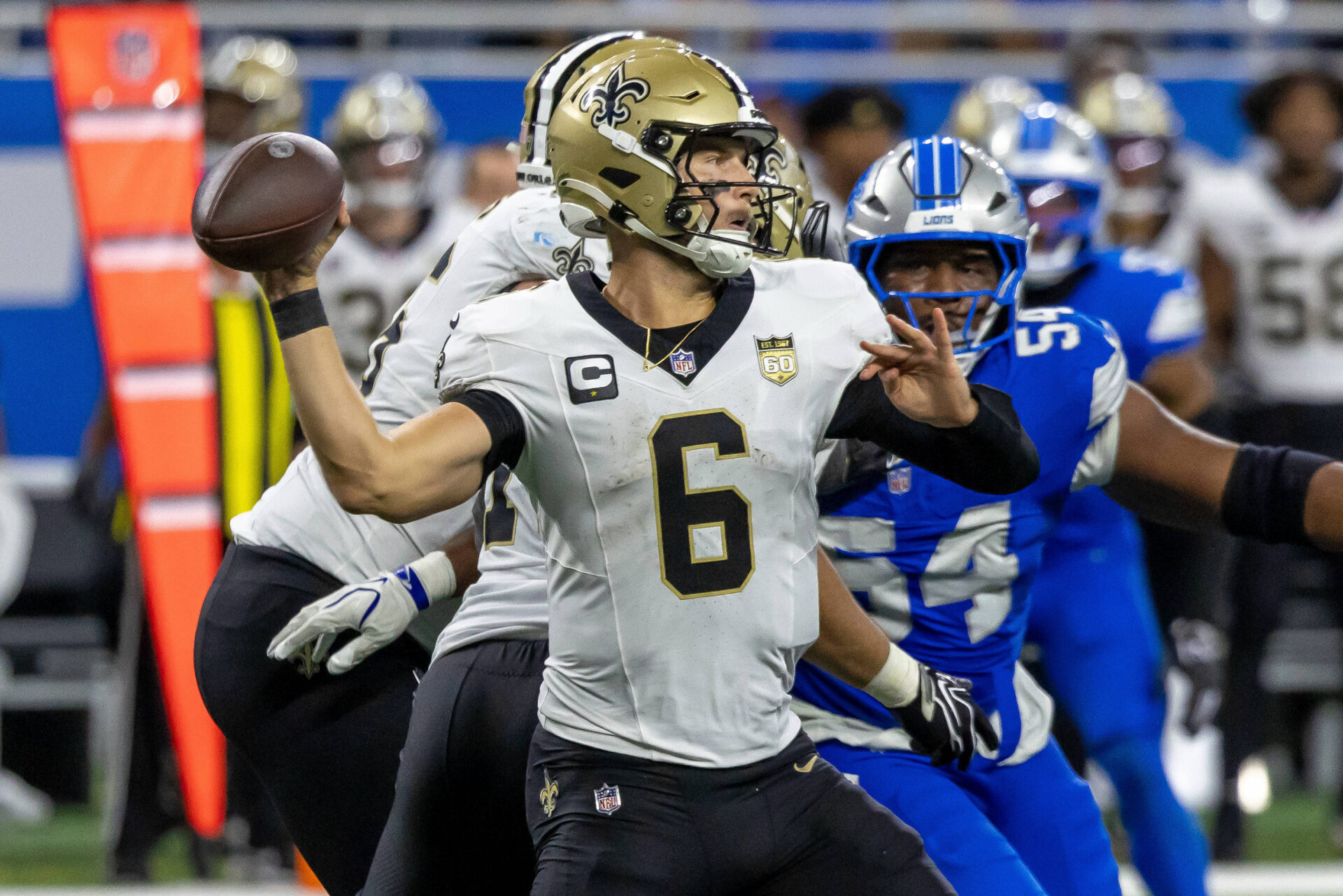
Chris Olave burst onto the scene with an impressive Week 1 showing, continuing a trajectory that hinted at monumental production. After finishing in the top 10 in receiving yards last season, Olave looks positioned to push for an even higher ceiling this year. While an end-of-season pace of over 3,000 receiving yards is unlikely, he is well on track to reach the 1,000-yard mark for the fourth time in his career, signaling that he has become a cornerstone target for his team.
Here are the top pass catchers from Week 1, based on receiving yards:
– 1) Chris Olave, NO — 182 yards, 10 receptions, 0 touchdowns
– 2) Zay Flowers, BAL — 150 yards, 5 receptions, 1 touchdown
– 3) Christian Watson, GB — 147 yards, 6 receptions, 2 touchdowns
– 4) Jalen Coker, CAR — 138 yards, 8 receptions, 2 touchdowns
– 5) Dalton Kincaid, BUF — 130 yards, 6 receptions, 0 touchdowns
– 6) Jaxon Smith-Njigba, SEA — 122 yards, 11 receptions, 1 touchdown
– 7) DJ Moore, BUF — 100 yards, 5 receptions, 1 touchdown
– 8) Trey McBride, ARZ — 95 yards, 9 receptions, 1 touchdown
– 8) Matthew Golden, GB — 95 yards, 6 receptions, 0 touchdowns
– 10) Caleb Douglas, DAL — 94 yards, 5 receptions, 0 touchdowns
A notable performer in Week 1 was Zay Flowers, who turned in 150 receiving yards on five receptions with a touchdown. Flowers earned significant offseason attention after agreeing to a four-year, $140 million extension with Baltimore. The early results appear to validate the investment, as he was a primary source of big-play potential in the opener. Despite the strong start, there are early-season discussions about durability and health that will be monitored as the Ravens move forward.
Two tight ends joined the top-10 club in Week 1, underscoring the continued importance of versatile options in the passing game. Trey McBride showcased a robust Week 1 line, posting 95 yards on nine receptions with a touchdown. McBride’s production echoed his strong finish to last season, when he ranked among the league’s leaders in receiving yards among tight ends. Dalton Kincaid also delivered a standout performance, leading all tight ends with 130 receiving yards for his franchise. His Week 1 output reinforced the potential fantasy and real-game impact of Buffalo’s young playmaker at the position.
Quarterbacks also played a critical role in fueling these numbers. Josh Allen connected with two different receivers who reached triple-digit receiving yardage in Week 1: DJ Moore and Dalton Kincaid. Moore amassed 100 yards and a touchdown in his Buffalo debut, contributing to a dominant passing attack that looked capable of sustaining big-volume production across multiple targets. Kincaid’s 130-yard outing added to the Bills’ dynamic aerial attack, signaling a high-upside combination of volume and efficiency.
On the Green Bay side, Christian Watson and Matthew Golden combined for 242 receiving yards and two touchdowns, illustrating the depth of skill among the Packers’ pass-catching corps. While the team’s overall performance in that particular game didn’t yield a win, the chemistry between Watson and Golden and the overall efficiency of the passing game offered encouraging signs for Week 2 and beyond.
Additionally, the rookie class continued to make its mark early. Caleb Douglas, a third-round pick, led all Week 1 rookies in receiving yards with 94 yards. Douglas’ initial results suggest he could be a valuable contributor as he continues to acclimate to the pro game and unlocks more opportunities within his team’s passing concept.
As Week 2 approaches, several storyline threads emerge from Week 1’s production:
– Can Zay Flowers sustain this level of target share and efficiency as the Ravens’ offensive identity evolves?
– Will tight ends like McBride and Kincaid continue to be dominant factors in their teams’ passing games, or will their production fluctuate based on matchup and game plan?
– How will Olave adapt to adjustments from defenses focusing on limiting his big plays, and what role will he play in the Saints’ overall game plan?
– For teams featuring multiple strong pass-catching options, how will targets be distributed to maximize yardage and scoring potential without sacrificing balance?
Overall, Week 1 delivered a vivid snapshot of the season’s potential. Several players announced their arrival with eye-catching numbers, including a wide array of receivers and tight ends who are poised to be central figures for their teams throughout the schedule. As teams prepare for Week 2, fantasy managers and NFL observers alike will be watching these flag-bearers closely to gauge consistency, durability, and the potential for sustained production.
Note: This overview focuses on Week 1 performances and the implications for Week 2 and beyond, without referencing any specific external sources or promotional content.