The Week 1 matchup at GEHA Field at Arrowhead Stadium delivered more than just a 30-10 scoreboard line. It offered a reminder that Reid remains adept at unearthing and refining unconventional looks that can yield immediate dividends. Throughout his tenure in Kansas City, Reid has demonstrated a knack for drawing on historical plays, reimagining them for modern execution, and deploying them at moments when they can have the greatest impact. The 2026 opener added another such instance to the Chiefs’ growing playbook lore.
Origins of the trick play and the on-field execution
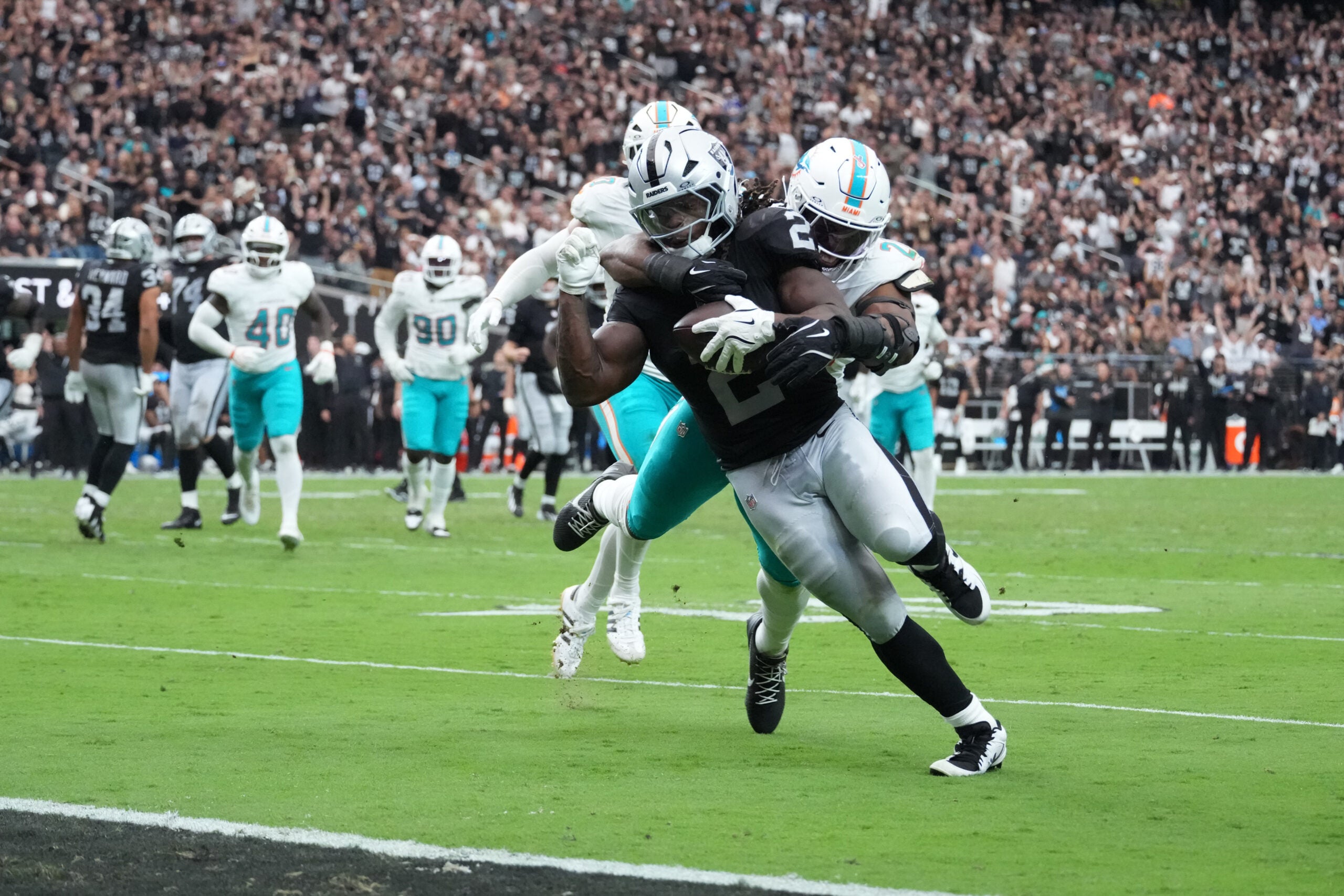
In this game, Kansas City rolled out a formation and concept that harkened back to a 1936 play glimpsed on archival film. The basic idea involved a backfield arrangement with key playmakers aligned in a one-point stance, setting up a deceptive look that would pull the defense off balance. The personnel involved included quarterback Justin Fields, quarterback Patrick Mahomes, and tight end Travis Kelce, all lined in the backfield in a setup designed to confuse the Broncos’ preparation and assignments. The result was a 2-yard touchdown reception by running back Kenneth Walker III, a moment that quickly became one of the standout plays of the early-season slate.
The play’s title and naming backstory drew attention as well. Patrick Mahomes later clarified the nomenclature, explaining that the play was labeled Heisman and that the concept originated from a grainy, black-and-white film that predated most contemporary fans’ memory. He noted that coach Andy Reid had a hand in bringing the play into the current curriculum and that the team had practiced variants of it previously, albeit not always with the same level of polish. The smooth execution seen in Week 1 suggested a combination of meticulous preparation, confident timing, and the players’ willingness to embrace a less conventional approach to gain an advantage.
Reid’s broader context and the Chiefs’ culture of creative offense
This isn’t the first time Reid has leaned into creative, crowd-pleasing plays. Over the years, Kansas City has built a reputation for weaving traditional power with unconventional trickery, resulting in several memorable moments—some nicknamed or fondly remembered by fans for their ingenuity. Names and prototypes such as Corn Dog, Snow Globe, and other signature misdirection concepts have dotted the Chiefs’ history under Reid’s leadership. The Week 1 play added another chapter to that catalog, reinforcing the notion that Kansas City values play design that emphasizes timing, misdirection, and the element of surprise as much as raw talent or execution alone.
Player perspectives and team dynamics
Kenneth Walker III’s touchdown on the 1936-inspired look was a testament to trust—trust from the coaching staff in Walker’s ability to read and execute a complex setup on a live play, and trust from the quarterback and receiving corps to sell the deception. Walker’s lighthearted remarks about deciphering the archival film — joking that the footage looked like it came from a much earlier era — underscored a team culture that relishes experimentation and enjoys the camaraderie built through high-concept practice and live game application. The success of the play also validated the coaching staff’s decision to incorporate such ideas into the game plan for Week 1, signaling that the Chiefs were not only prepared to win but prepared to win in a way that also energizes the fan base and keeps opponents guessing.
What this means for the Chiefs moving forward in 2026
The Week 1 success of a retro-inspired trick play points to several broader takeaways for Kansas City:
– Confidence in experimentation: The Chiefs demonstrated a willingness to roll out unconventional concepts early in the season, suggesting a deeper, more diverse playbook than teams might expect a few weeks into the year.
– Versatility at the skill positions: With Mahomes, Fields, and Kelce all able to contribute in deceptive backfield roles, the Chiefs can create multiple looks that stress defenses in both the run and pass games.
– Strategic balance: While flashy plays can energize a game, the real value lies in how such concepts open up other aspects of the offense—creating opportunities in the passing game, amplifying the effectiveness of power runs, and forcing defenses to account for multiple variables on every snap.
– Mental edge for the playoffs: Having a robust repertoire of trick plays that can be adapted to different game conditions provides a potential strategic edge in tighter games later in the season, including the playoffs when opponents have more time to scout.
Injury status, matchup considerations, and the next steps
As the season progresses, the Chiefs will monitor how defenses respond to this and other creative looks. Opponents may study the Week 1 film to anticipate similar formations or to devise countermeasures. The coaching staff will need to balance the risk and reward of deploying such plays, ensuring they remain disruptive without compromising overall game flow or player safety.
Historically, the Chiefs’ approach under Reid has often paid dividends when the team has mixed a strong, disciplined offense with moments of deception and creativity. The 2026 opener reinforced that philosophy, showing once again that Kansas City values a comprehensive approach to attack that leverages experience, film study, and a willingness to push the envelope when the moment calls for it.
Looking ahead, fans can expect the Chiefs to continue developing a diverse playbook that emphasizes timing, misdirection, and the execution of well-rehearsed principles. If Week 1 is any indication, Kansas City will likely mix traditional power with innovative concepts throughout the season, aiming to keep defenses off balance and to maximize the talents of its star players while maintaining the sense of fun that defines the team’s identity.