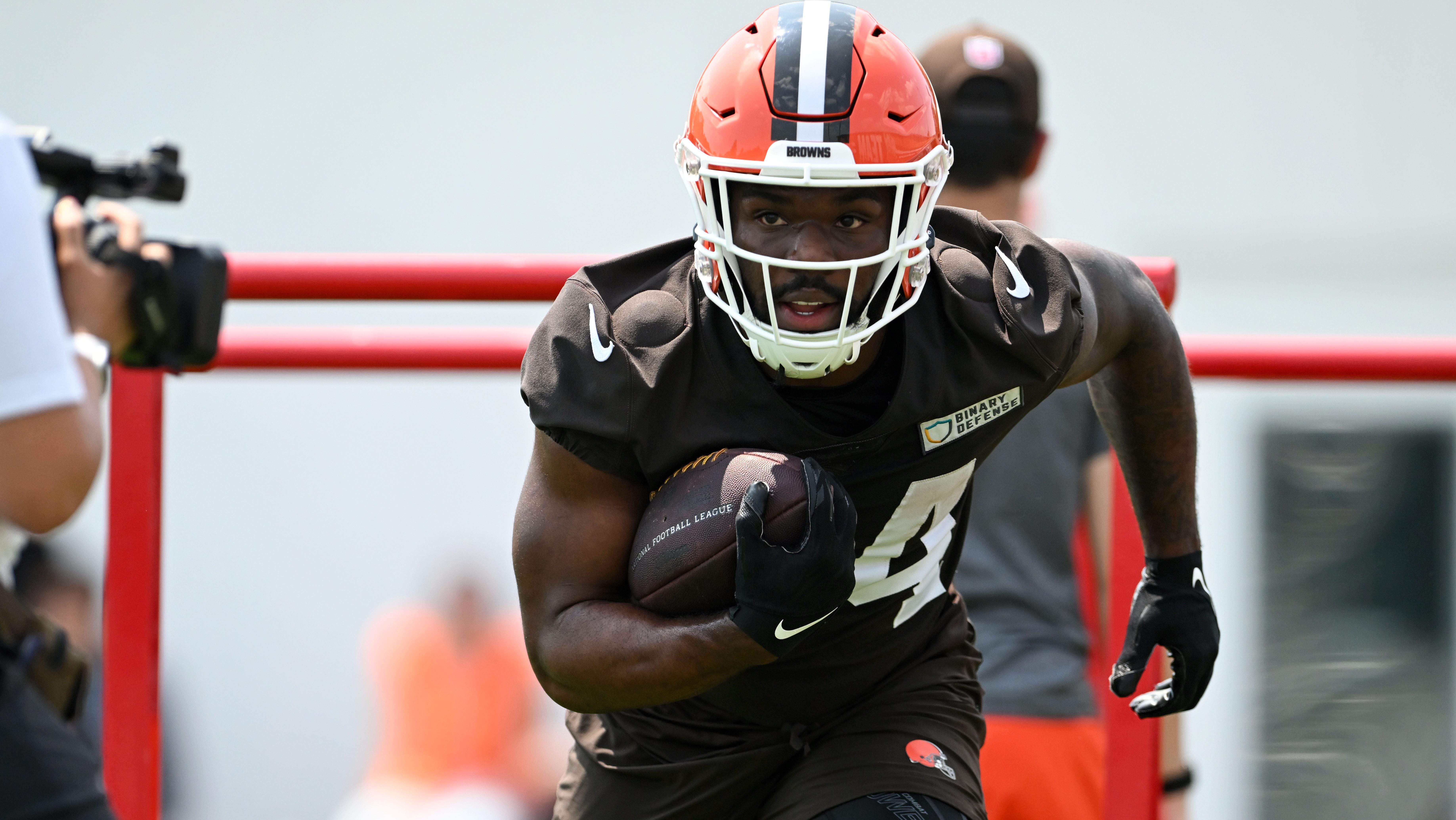
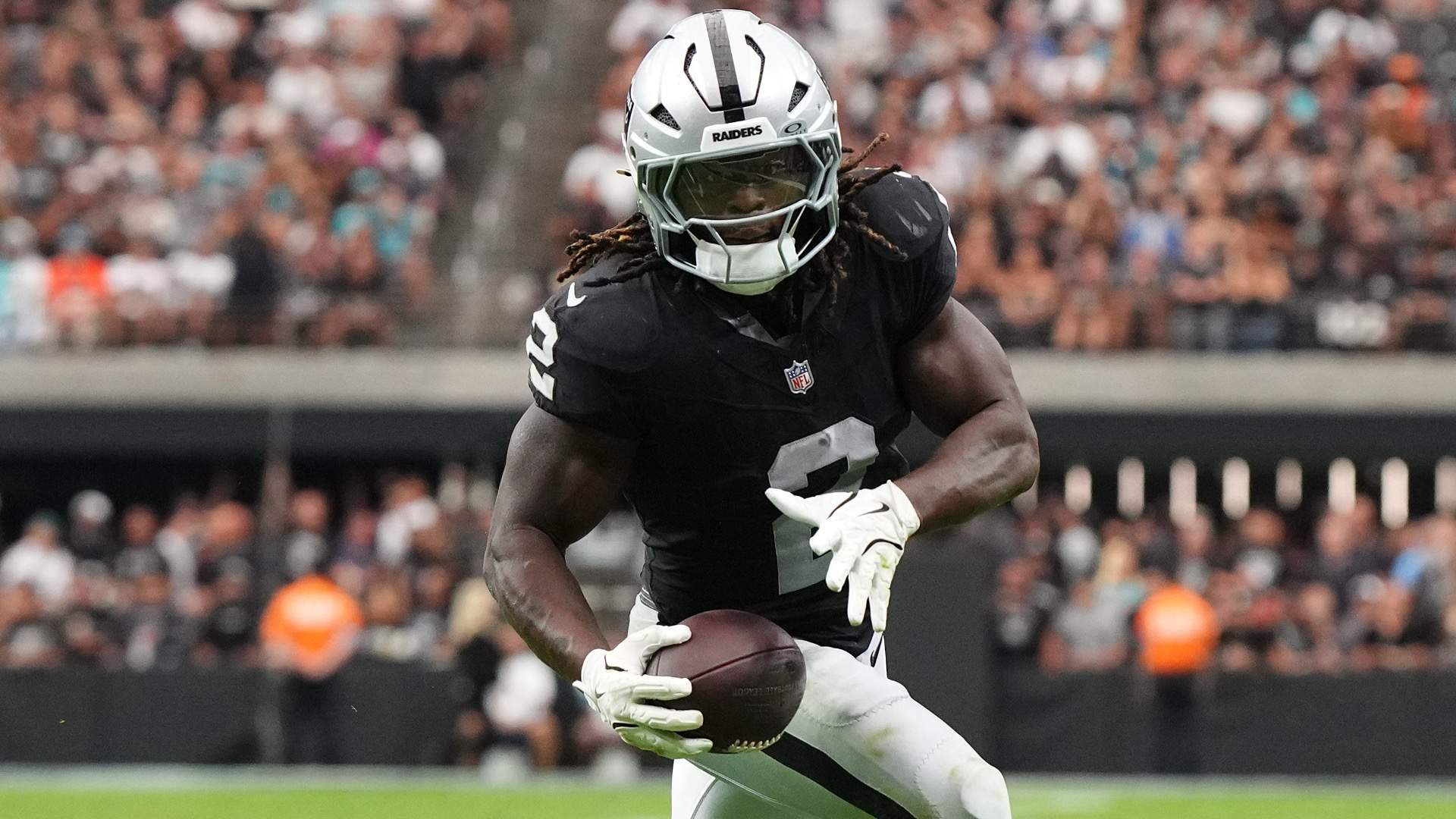
In that game, Walker logged 47 offensive snaps and earned an elite 88.5 overall grade from Pro Football Focus. He carried the ball 23 times for 173 rushing yards, averaging an explosive 7.5 yards per attempt and scoring one rushing touchdown. His longest run covered 60 yards, a score that came on a big play that highlighted his breakaway speed. Four of his carries went for 10 yards or more, underscoring his big-play ability on the ground. In the passing game, Walker contributed with three receptions for 18 receiving yards and added another receiving touchdown, illustrating his versatility as a dual-threat back.
This early-season production stoked debate about whether Seattle made a mistake letting Walker walk. Yet, one prominent NFL media voice suggested that the decision could be understood within a broader financial context. Rob Staton, a respected football journalist, argued that Seattle’s priorities sometimes require allocating resources to multiple positions and players, not just one star back. He emphasized that Walker is a talented player who should have favorable opportunities in Kansas City, a team known for its high-powered offense and strong blocking up front. With Patrick Mahomes at the helm and a supporting cast of capable blockers, Walker’s efficiency could stay high in favorable game scripts.
Staton also pointed out a practical consideration: paying Walker could have constrained Seattle’s ability to sign other key players. In free agency, Walker reportedly signed a three-year deal with a substantial base value and guaranteed money. While the star power of players like Jaxon Smith-Njigba and Devon Witherspoon was already driving the team’s long-term trajectory, committing substantial resources to Walker might have limited Seattle’s flexibility for other extensions. The argument follows that every roster decision carries ripple effects, influencing whether the team can re-sign impact players or bring in new contributors at crucial positions.
Beyond Walker’s immediate impact, Seattle faced upcoming financial considerations for a number of players. Staton highlighted that several players on the roster would require attention in future seasons. AJ Barner, a tight end, could command a notable contract, especially as contemporary contract benchmarks continue to rise. Other players, including emerging talents and established veterans, would likely warrant substantial compensation if their performance warranted it. The discussion emphasizes the broader challenge of managing a competitive roster while staying under the salary cap and ensuring core pieces remain in place for sustained success.
From a strategic standpoint, the Seahawks’ approach reflects a balance between optimizing current talent and maintaining flexibility for the future. While Walker’s early-season success demonstrates what he can bring to an offense, teams must weigh short-term production against long-term financial commitments. The Chiefs’ system, with its emphasis on efficient run fits, strong blocking, and play-action opportunities, can maximize a back’s strengths. For Seattle, the objective is to ensure they have sufficient cap space and draft flexibility to address other high-priority areas, such as edge rushing, secondary depth, and internal development of young players.
Looking ahead, the Seahawks will need to evaluate how to structure future contracts to preserve core talent while remaining competitive in a league where every season features a high-stakes balancing act. The league’s economics continue to shape roster decisions, and Seattle’s plan will likely involve a mix of re-signing pivotal contributors, drafting affordable rookies who can develop into future starters, and identifying under-the-radar veterans who can provide value without breaking the bank.
In summary, Kenneth Walker III’s departure from Seattle highlighted the complex calculus teams face in modern NFL rosters: maintaining a high-performing player while ensuring the financial flexibility to secure supporting cast members and maintain depth across positions. Walker’s early-season success with the Chiefs confirms his talent, and the broader discussion remains relevant for any team weighing significant investments against the ongoing need to build a well-rounded roster. The Seahawks’ decision, viewed through this lens, represents a strategic choice aimed at long-term stability for a franchise aiming to remain competitive for years to come.