Green Bay Packers: a puzzling collapse that clouds the early view
Green Bay entered Week 1 with optimism after a productive offseason, yet their Sunday against Minnesota turned sour in breathtaking fashion. The Packers built a 22-10 lead, only to surrender a 29-0 run by the Vikings and drop a 39-22 decision. The sequence of late-game misfortunes was brutal: consecutive possessions ended in turnover on downs, a fumble, an interception, and another turnover on downs, while Minnesota followed with four straight touchdowns. The yardage story was deceptive in the box score; it was a tale of short fields, explosive plays, and self-inflicted wounds.
Defensively, the absence of standout pass-rusher Micah Parsons left Green Bay vulnerable, as the defense struggled to gather stop-after-stop momentum. The unit allowed sustained drives and big plays that flipped the field rapidly. Offensively, the numbers tell a conflicting tale. Jordan Love posted a sub-50 percent completion rate yet threw for 387 yards—a reminder that one-off, big plays can inflate certain stats even when the overall efficiency isn’t there. The running game further complicated matters; without Josh Jacobs, the backfield produced modest gains, and Marshawn Lloyd averaged under 3 yards per carry. Without a reliable ground attack, Green Bay struggled to protect leads, and the offense appeared fragile when the passing game stalled or faced pressure.
Despite the alarming debut, there is a reasonable basis for optimism. Turnovers and defensive miscues tend to be volatile week-to-week, and a team with Matt LaFleur at the helm has shown the ability to adjust and tighten up as the season progresses. The offensive line, which faced significant pressure in the most challenging moments, should acclimate as time passes, and an improved run game would dramatically stabilize the team’s game flow. The early-season dust-up is real, but it doesn’t necessarily define Green Bay’s season trajectory. The coaching staff and players will have a chance to recalibrate after Week 1’s aberrant performance.
Los Angeles Chargers: early-season bruises reveal a pattern
The Chargers opened with a home loss to the Arizona Cardinals that stunned fantasy survivors and NFL fans alike. Expectations for Justin Herbert’s offense are perennial: MVP chatter, dynamic passing, and a high-powered attack. Yet Week 1 offered a stark reminder that talent alone does not guarantee success, and even top contenders can stumble against a disciplined opponent.
From a frontline perspective, the offensive line performed better than some narratives suggested, as tackles Rashawn Slater and Joe Alt combined for zero sacks and only a few pressures. That unit showed structural resilience, which is a positive sign for Herbert’s pocket presence. The troubling detail emerged when star receiver Ladd McConkey left the game. After his exit, the offense’s efficiency plummeted—from 8.9 yards per pass with him on the field to 3.9 without, and EPA per play swung from a modest positive to a sharply negative figure. The drop-off underscored how crucial McConkey’s presence is for sustaining explosive plays and keeping the defense honest.
The team’s third-down struggles were another sore point. An average of 12.4 yards needed to convert on third down put substantial pressure on first- and second-down plays, effectively slowing the offense and limiting clock-killing opportunities. That kind of negative game script is hard to overcome unless the ground game stabilizes and the passing-game rhythm returns quickly.
Beyond the Xs and Os, a brutal schedule outlook compounds the concern. The Chargers face a gauntlet of tough matchups, and in a division with strong competition, any prolonged underperformance can quickly snowball. If young contributors at the skill-position spots—Tre Harris, Quentin Johnston, Oronde Gadsden—do not emerge as reliable outlets, the risk of slipping into an untenable early-season hole increases.
Dallas Cowboys: defense raises alarms, offense holds steady hope
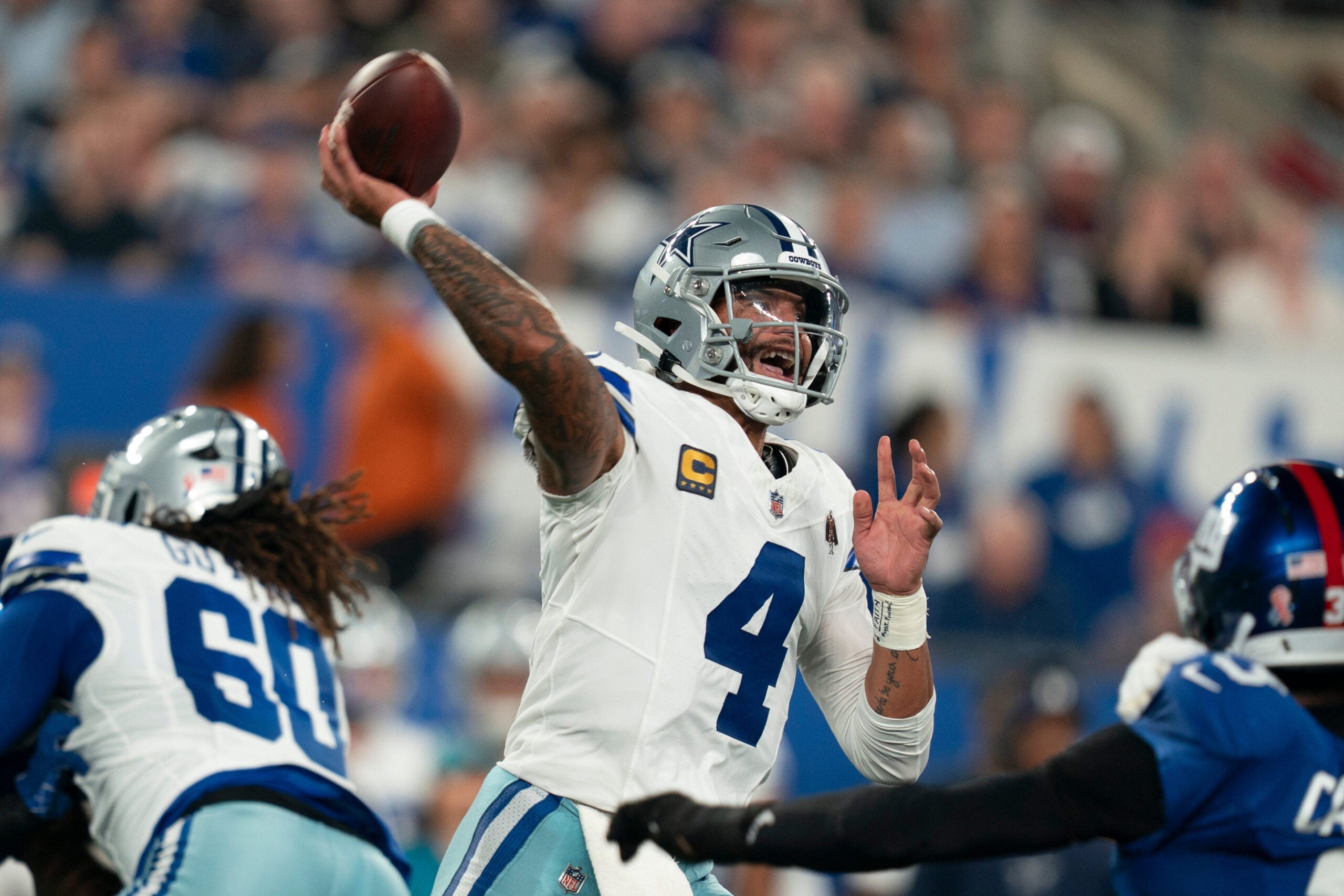
The Cowboys’ Week 1 matchup with the New York Giants ended in a 28-20 upset for Dallas, with Jaxson Dart steering a decisive late drive that exposed defensive vulnerabilities. By EPA per drive, Dallas’s defense ranked near the bottom of the league for Week 1, highlighting a troubling gap between talent and execution. The defensive struggles were most apparent in the passing lanes and in preventing big plays, especially in high-leverage moments. The Giants efficiently engineered a late-two-minute drill that underscored a lack of resistance at critical junctures.
On offense, the Cowboys’ unit remains a source of optimism. Dak Prescott has a track record of elevating play when healthy, and the offensive line and wide receivers collectively present a high ceiling. The real question is whether the defense can catch up to the offense and become a true two-way unit that can carry Dallas through tougher weeks. The coaching staff’s investment in Christian Parker as a defensive architect is a long-term bet; in the short term, the results did not meet expectations, and this creates the real possibility of shootouts in weeks to come if the defense cannot lift its performance.
The Giants game also offered a broader reminder: a team’s identity can be a moving target as new coordinators and schemes take shape. For Dallas, the Week 1 performance suggested that the defense, not the offense, will determine whether the season meets its lofty playoff ambitions. If the defense struggles in the same fashion against higher-caliber offenses, the Cowboys may be forced into high-scoring games that test the depth and versatility of the roster.
Context and caution for Week 1 takeaways
Week 1 games often produce dramatic, sometimes misleading results. A single opening weekend does not single-handedly define a team’s season trajectory. It does, however, spotlight areas that require immediate attention: improved ball security and turnover discipline, cleaner run games to complement the passing game, and defense that can withstand the tempo of modern offenses. The teams in question—Green Bay, Los Angeles, and Dallas—each have pathways to better outcomes. For Green Bay, stabilizing the offense and shoring up defensive depth could reverse the early woes. For the Chargers, preserving playmakers and ensuring a robust, sustainable rhythm on offense will be critical, especially against tough dividing lines in their schedule. For Dallas, balancing a potent offense with a more aggressive, cohesive defensive plan will be essential if they want to avoid turning Week 1’s alarm into a season-long trend.
As the season progresses, a few threads will be telling: can Green Bay convert turnover-prone sequences into consistent scoring drives, can the Chargers’ young playmakers emerge as reliable targets to complement Herbert, and can the Cowboys’ defense close gaps enough to allow the offense to control pace and field position? Fans should expect adjustments, strategic shifts, and—if Week 1 is any guide—a healthy dose of unpredictability that makes the NFL such a compelling showcase week after week.