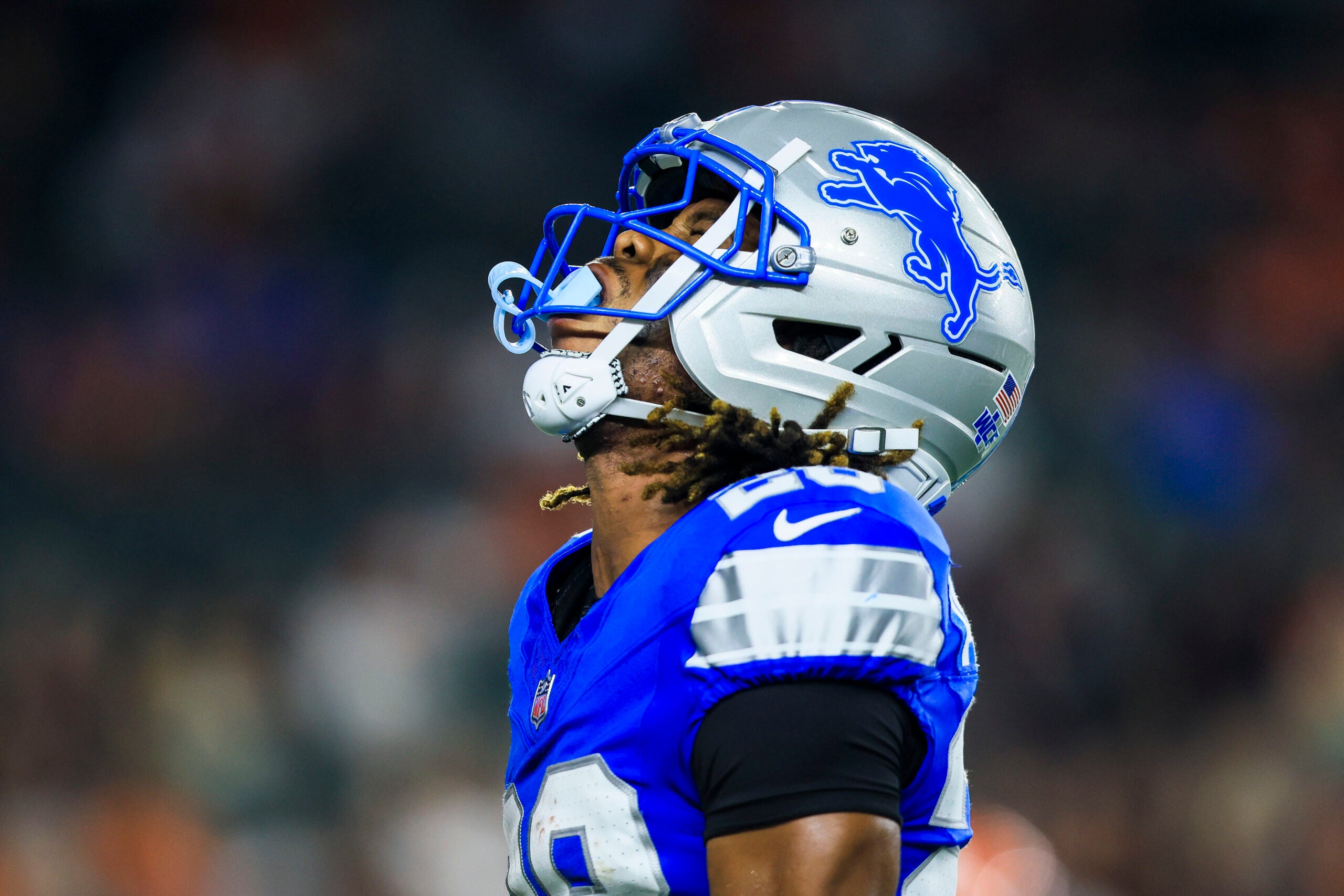
Porter Jr. finished his 2025 season with a modest stat line that underscored both his potential and the developmental stage he was in. Across 14 games, he accumulated 52 total tackles, registered 1 sack, and notched 1 interception. These numbers reflect a player who showed flashes of disruptive coverage and ball production, even while adjusting to the speed and demands of the professional game. The storyline around his tenure with the Steelers hinged on growth, fit within the defensive scheme, and the club’s long-term strategic plan at cornerback.
In the broader context of trade possibilities, several hypothetical scenarios emerged, each grounded in team needs, cap considerations, and the strategic fit of Porter Jr. in different defensive systems. Here are some of the most discussed destinations and what a potential deal could look like, along with why teams might be interested in adding Porter Jr. to their roster.
1) A trade to a team looking to maximize a press-man efficiency
One scenario considered a move to a team that values aggressive man coverage on the outside. Such a destination would see Porter Jr. stepping into a defense that prioritizes tight press coverage and a strong boundary presence. The appeal lies in Porter Jr.’s youth and upside, which could complement a veteran starter and deepen the squad’s cornerback depth. A potential offer could involve a mid-to-late second-round pick, with additional compensation related to the receiving team’s needs and cap structure.
2) A pairing with a veteran coaching mind
Another explored path involved a squad with a defensive coordinator known for shaping versatile corners into multifaceted contributors. In this setup, Porter Jr. would have the opportunity to refine technique against both outside receivers and slot options, depending on scheme adjustments. The trade value here would hinge on the acquiring club’s willingness to invest in a long-term corner, potentially including a second- or third-round pick and a compensatory pick based on contract terms and positional depth.
3) A rebuilding team seeking a long-term cornerstone
For teams in a rebuild, Porter Jr. represents a chance to land a starting-caliber corner with room to grow. The compensation might skew toward a higher draft selection, reflecting the perceived ceiling of a former first-round pick and the potential cost savings of a rookie-scale contract. In this scenario, the Steelers would weigh the immediate impact of trading a rising player against the value of accruing draft capital for a broader rebuild.
4) A Western Conference or NFC east squad with cap flexibility
With cap space and a need for a corner who can contribute in man-heavy schemes, a team in a conference with multiple passing offenses could find Porter Jr. attractive. The offer might combine picks across two rounds, potentially a second-round pick plus a later-round selection, accompanied by contract terms that align with the acquiring team’s budget and longevity goals.
5) A destination with a high-velocity offense
Teams that emphasize fast-pacing and high-volume passing games could see Porter Jr. as a stabilizing factor in their secondary. The financial aspect would be as important as the on-field fit; teams with limited financial commitments to their cornerbacks in the near term might be more willing to part with draft capital to secure a player who can contribute immediately.
Why teams would consider Porter Jr.
– Youth and upside: Porter Jr. entered the league with a pedigree that suggested significant development potential. Teams investing in long-term rosters may see him as a cornerstone piece rather than a short-term fix.
– Versatility in coverage: The ability to play press man, contest routes at the line, and track deep balls provides a flexible toolkit for modern defenses that frequently deploy multiple shell looks.
– Draft capital and rookie cost: On a rookie contract, Porter Jr. presents favorable economics compared to veteran cornerbacks, making him an attractive high-upside addition for teams operating under tight cap constraints.
Why a trade might be challenging
– Team-fit risk: The Steelers would need to ensure that any trade aligns with their own long-term defensive plans, including how to replace a developing player who may become a reliable contributor in time.
– Market value: The compensation required to acquire a player of Porter Jr.’s profile could be substantial, potentially involving multiple picks or players, which franchises must weigh against their current needs and future drafts.
– Contract and expectations: If the acquiring team values immediate impact, Porter Jr. would need time to adjust within a new system, which carries inherent risk if the expected return isn’t realized quickly.
In analyzing these scenarios, it’s clear that the decision around Porter Jr. centers on balancing immediate competitive needs with long-term assets. The Steelers would have to gauge whether trading a rising star could accelerate a rebuild or whether patience and development would yield greater returns down the line. On the other side, teams evaluating Porter Jr. would weigh the cost of procurement against their projected ceiling at cornerback, the scheme fit, and the player’s progression trajectory.
As the season progresses, any developments regarding Porter Jr.’s status will likely hinge on a combination of performance on the field, medical and conditioning status, and negotiations between the player’s camp and the Steelers’ front office. For fans and analysts, the conversation will continue to evolve, reflecting how Porter Jr. develops in a league that increasingly prioritizes elite play at the cornerback position and how teams weigh the value of high-upside defenders under rookie-scale contracts.