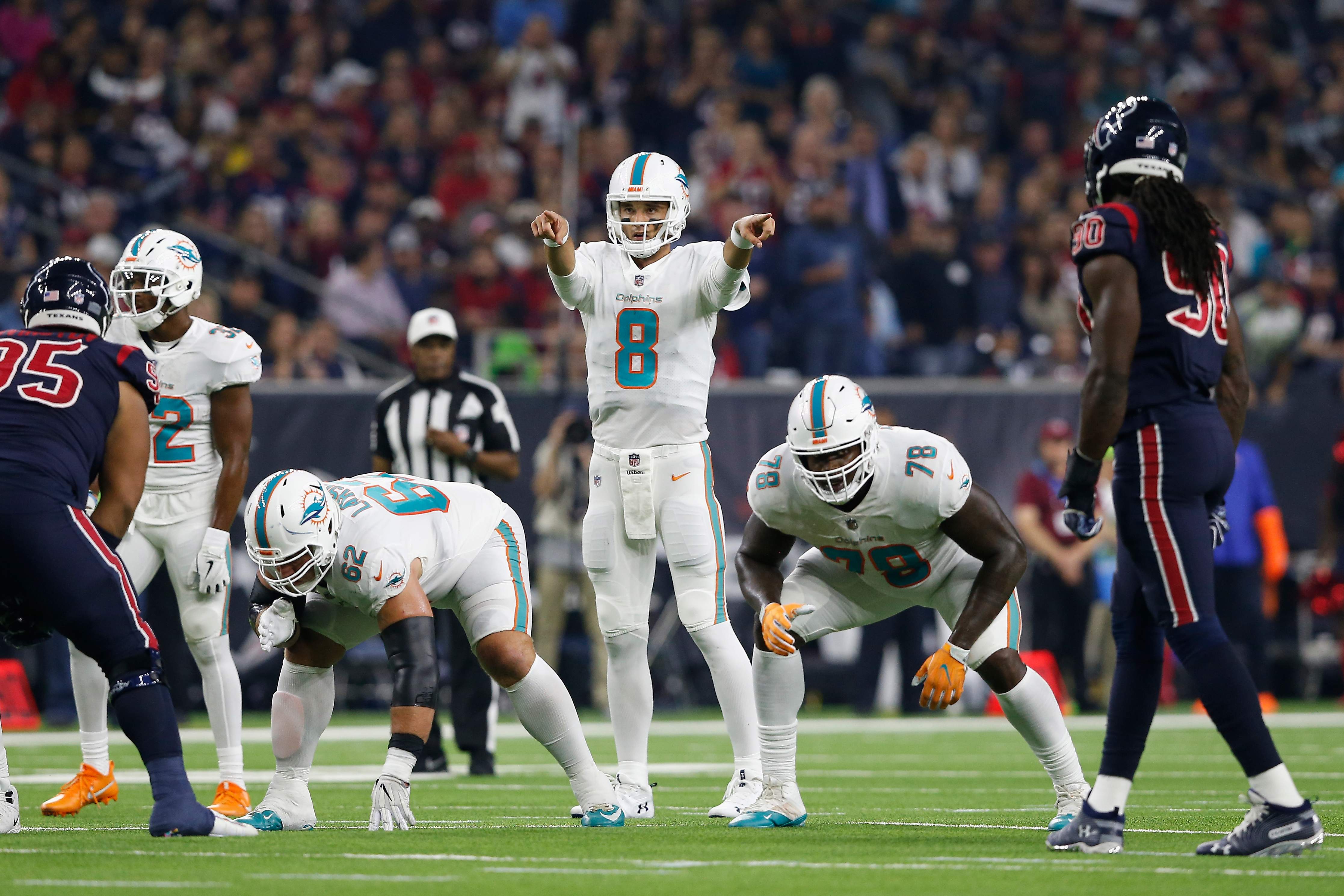
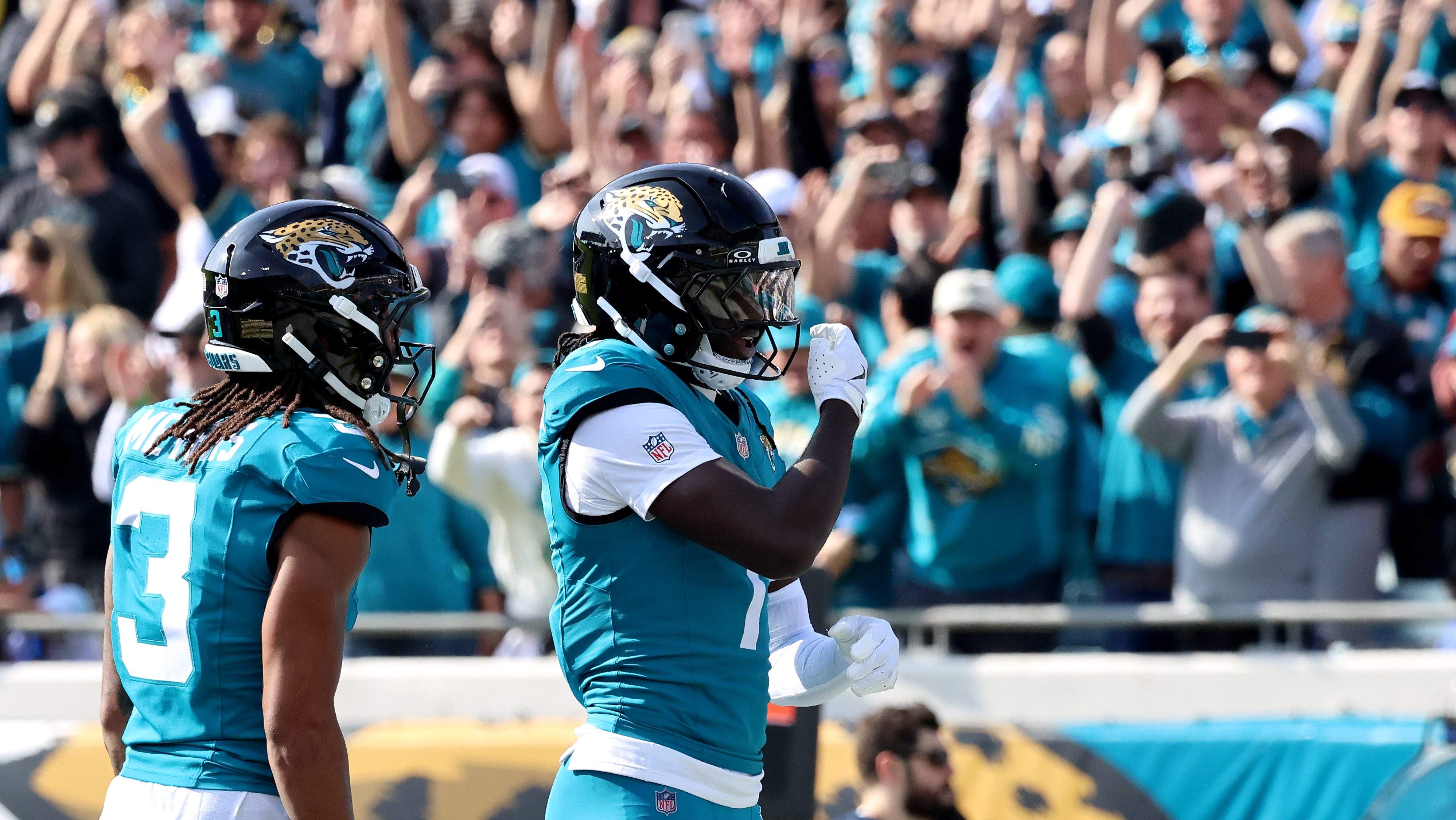
With all 32 teams having their Week 1 starter in place, the NFL’s 2026 quarterback landscape is taking shape. This updated rankings list considers multiple factors, including week-to-week performance, prior season form, and overall trajectory. The result is a fresh look at where each quarterback stands as the season unfolds, from the hottest performers to those facing mounting questions. The list below preserves the essential facts and context from the original piece while presenting a unique, publication-ready version.
32. Deshaun Watson, Cleveland Browns
Watson’s first start of the year did not inspire confidence. He took five sacks, threw an interception, and fumbled, while the Browns waited for a breakthrough. A notable bright spot was a 72.5% completion rate, suggesting improvement, but the volume of negative plays must subside for him to regain stability as a long-term starter.
31. Cam Ward, Tennessee Titans
Ward, the former top pick, faces a critical moment in his development. After a single strong showing as a rookie, Week 1 offered mixed results, highlighting the need for continued growth and more consistency from the Titans’ revamped receiving corps to support him.
30. Malik Willis, Miami Dolphins
Willis showed flashes but also the kind of inconsistency that can stall a young quarterback. His Week 1 numbers included a modest completion rate, yardage, and a turnover, underscoring the challenge of translating potential into steady production in a new system.
29. Tua Tagovailoa, Atlanta Falcons
Tagovailoa has a track record of high-level play, but recent injury history raises questions about durability and performance. Early reports suggest a cautious path to re-establishing his NFL ceiling, with the emphasis on minimizing turnovers and sustaining accuracy in a new offensive environment.
28. Daniel Jones, Indianapolis Colts
Jones is in a pivotal season, attempting to rebound from last year’s Achilles injury. Week 1 offered a modest stat line and limited mobility, prompting the Colts to rediscover Indiana Jones’ athletic-pace while balancing the run game with accuracy and decision-making.
27. Kirk Cousins, Las Vegas Raiders
Cousins opened the Raiders era with a win but produced conservative numbers in the debut. He threw for a modest total, with a couple of picks, yet found the end zone multiple times. The veteran passer remains a steady presence as the rest of the roster, including the rookie signal-caller Fernando Mendoza, develops.
26. Kyler Murray, Minnesota Vikings
Murray’s return to live action was rocky, highlighted by an early interception and limited snaps due to an in-game incident. The Vikings will look to get him back to full speed soon, hoping his dynamic playmaking returns to form.
25. Jayden Daniels, Washington Commanders
Daniels showed potential but delivered a performance that fell short of superstar expectations in Week 1. He posted below-average accuracy and modest rushing yardage, signaling that more progress is needed to reclaim elite-level play.
24. Bo Nix, Denver Broncos
Denver’s franchise quarterback had a difficult debut, with limited yardage and multiple sacks. The Broncos will need to clean up protection and improve efficiency to capitalize on Nix’s upside.
23. Aaron Rodgers, Pittsburgh Steelers
Rodgers settled into Pittsburgh with a solid opening showing, compiling passing yards and a touchdown while avoiding turnovers. More consistency against tougher defenses will be required to sustain momentum through a demanding schedule.
22. Geno Smith, New York Jets
Smith’s hot start gave the Jets confidence, showing comfort in the offense and clean ball security. If he can maintain that level with improved supporting cast, New York could push for a strong season.
21. Tyler Shough, New Orleans Saints
Shough demonstrated leadership and a high-volume day, guiding the Saints to a competitive performance. While there were blemishes, the overall trajectory is positive for the second-year starter.
20. C.J. Stroud, Houston Texans
Stroud delivered a balanced performance with strong completion numbers and two passing touchdowns but also two costly fumbles. Turnovers were the difference in a close Week 1 loss, so ball security will be a focal point for improvement.
19. Jaxson Dart, New York Giants
Dart impressed with accuracy and efficiency, throwing multiple touchdowns and avoiding turnovers. His dual-threat ability adds an appealing upside as New York eyes a postseason push.
18. Jacoby Brissett, Arizona Cardinals
Brissett led a late-season surge last year, and early signs indicate he can sustain a productive, turnover-averse offense in 2026. His efficient passing and command of the offense helped secure a notable upset in Week 1.
17. Baker Mayfield, Tampa Bay Buccaneers
Mayfield’s Week 1 efficiency was strong, but he paid for several fumbles and sacks that hindered the team’s ability to win. If he can tighten ball security and protect the football, Tampa Bay has a solid anchor at quarterback.
16. Jordan Love, Green Bay Packers
Love showed explosive upside and the potential to be a top-tier quarterback. However, a rough stretch in the second half and multiple negative plays tempers the Week 1 impression. He’ll need more consistent protection and cleaner decision-making to reach the elite tier.
15. Bryce Young, Carolina Panthers
Young opened his fourth season with a strong performance, delivering three touchdowns and navigating pressure well. He showed accuracy, mobility, and leadership, signaling a bright contract-extension trajectory as Carolina looks to capitalize on his growth.
14. Jalen Hurts, Philadelphia Eagles
Hurts produced a productive outing with three touchdowns and strong efficiency, though there was some inconsistency in the passing game. His running threat remains a key asset as Philadelphia looks to refine its aerial attack under a new coordinator.
13. Brock Purdy, San Francisco 49ers
Purdy posted a clinically sound debut, connecting on a high percentage of passes, throwing for multiple scores, and managing the game effectively. A rare interception was his only blemish in a strong Week 1 performance guiding a confident 49ers offense.
12. Sam Darnold, Seattle Seahawks
Darnold’s Week 1 involvement was limited by injury, with Drew Lock stepping in and performing adequately. The unsettled quarterback situation in Seattle will be monitored closely as the season progresses.
11. Justin Herbert, Los Angeles Chargers
Herbert’s return from last year’s injury showed resilience, delivering solid numbers with a touchdown and minimal turnovers, though the overall offensive output faced questions against a tough opponent. The Chargers will rely on continued growth and better protection.
10. Dak Prescott, Dallas Cowboys
Prescott’s Week 1 performance fell short of expectations in a loss, with limited yardage and a turnover. Dallas hopes he rebounds, dialing up a more potent passing attack and capitalizing on opportunities against upcoming defenses.
9. Drake Maye, New England Patriots
Maye’s Week 1 included a three-interception game that raised concerns about recurring accuracy and decision-making. He showed moments of potential, but the pace and consistency need to improve for him to regain a higher standing in the rankings.
8. Caleb Williams, Chicago Bears
Williams is maturing into a premier franchise quarterback. Week 1 showcased strong accuracy, two passing touchdowns, and an efficient day with no turnovers. The Bears will lean on his development as a focal point of their offensive plans.
7. Trevor Lawrence, Jacksonville Jaguars
Lawrence continues to trend upward, carving up a strong Week 1 defense with high accuracy and four passing touchdowns. The challenge now is to maintain that level against tougher competition and avoid pressure-induced mistakes.
6. Patrick Mahomes, Kansas City Chiefs
Mahomes returned from an ACL rehab to deliver effective play, including multiple touchdowns and a respectable rushing contribution. There was one interception, but the overall performance reaffirmed his status as one of the league’s premier just-turned-elite quarterbacks.
5. Jared Goff, Detroit Lions
Goff posted a strong Week 1 showing with multiple touchdowns in an overtime win, maintaining a high completion rate and guiding the Lions to a productive offensive game. His consistency and decision-making helped the Lions secure the victory.
4. Matthew Stafford, Los Angeles Rams
Stafford’s return to form faced a modest, scoreless showing with an interception, which was below expectations for a veteran with a history of high productivity. The Rams will rely on his experience to regain explosive playmaking.
3. Lamar Jackson, Baltimore Ravens
Jackson highlighted his dual-threat ability with passing and rushing touchdowns, leading Baltimore to a comfortable win. A key fumble was the lone blemish on an otherwise efficient day, reinforcing his status as a dynamic quarterback.
2. Joe Burrow, Cincinnati Bengals
Burrow posted a steady Week 1 performance with strong accuracy, a touchdown, and minimal sacks. The Bengals won, validating his ability to manage a high-powered offense and avoid negative plays.
1. Josh Allen, Buffalo Bills
Allen reclaims the top spot after a Week 1 performance that showcased elite playmaking: high efficiency through the air, productive ground gains, and no turnovers. With a strong coaching influence and offensive system in place, he looked ready to lead one of the league’s most explosive offenses.
Notes and considerations
– This ranking emphasizes Week 1 outcomes while weighing past seasons and overall career trajectories.
– It aims to balance upside with proven consistency, acknowledging that early-season results can be influenced by scheme changes, injuries, and surrounding talent.
– The list intentionally avoids referencing any original publisher or source; it stands as a standalone, publication-ready evaluation of quarterbacks for the 2026 season.
If you’d like a deeper dive into specific players, such as stylistic comparisons (pocket passers vs. dual-threats) or team-by-team outlooks, I can add sidebars and expert insights to enhance reader value and SEO performance.