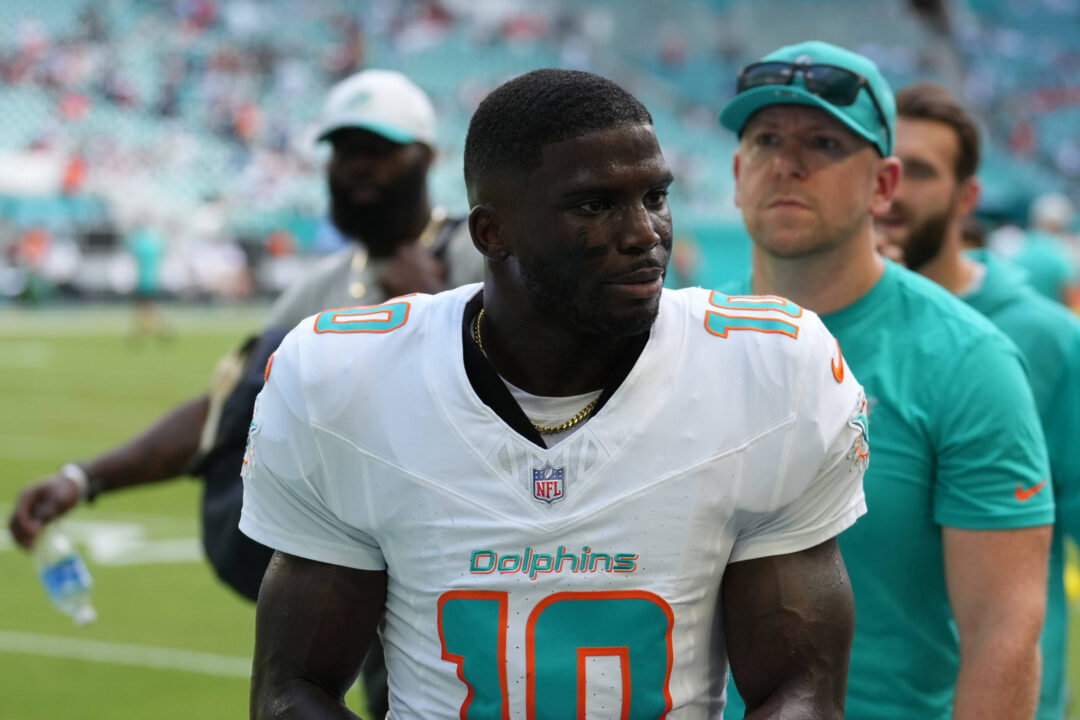
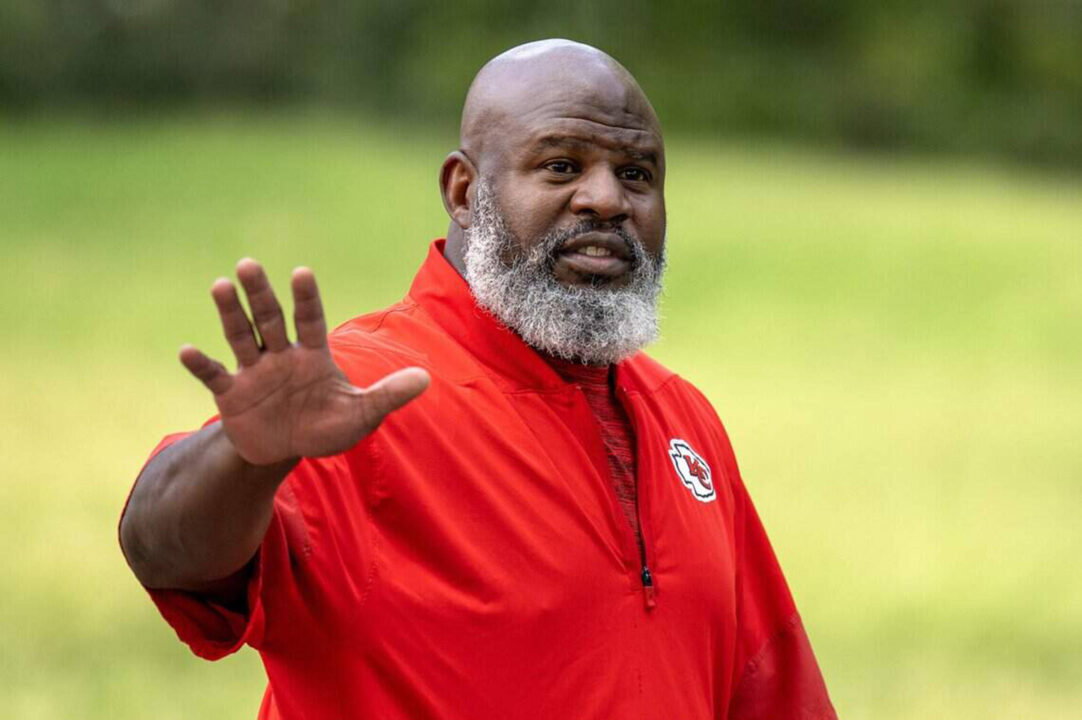
“Guys like me get asked that question all the time, and we’re talking around it, but the reality is, no, it’s those people who own teams that make critical decisions,” Tomlin said.
In the 2026 season, the NFL has just three Black head coaches: Todd Bowles with the Tampa Bay Buccaneers, DeMeco Ryans with the Houston Texans, and Aaron Glenn with the New York Jets. This comes after a hiring cycle in which a record-tying 10 teams had vacant head coaching positions but hired zero Black head coaches.
The Associated Press notes that this marks the fifth time since the Rooney Rule was adopted in 2003 that an entire hiring cycle produced no Black head coaching hires, leaving the league with the same number of Black head coaches as before the rule existed. The Rooney Rule requires that two candidates of color be considered during searches for head coaches.
Tomlin, who stepped down after 19 seasons as the Steelers’ head coach, credits the Rooney Rule with helping him reach his current role. “I had an awesome experience in Pittsburgh,” Tomlin said. “One of the initiatives is referred to as the Rooney Rule. They bought what they sold. And my journey, and my career, is a testament to that, and I respect it.”
However, not everyone in the league believes the Rooney Rule is being utilized effectively. A former head coach, who is now a defensive coordinator, has filed a landmark lawsuit against the NFL and several teams, alleging racial discrimination. The complainant argues that the Rooney Rule was meant to give minorities the opportunity to sit down with ownership, but in practice it has become a routine checkbox.
In July, a prominent assistant coach who helped orchestrate a record-breaking run to the Super Bowl voiced concerns as well. He described the national discussion as highly complex and ongoing, noting that while the league insists it hires the most qualified candidates, Black coaches continue to be underrepresented. He challenged the notion that there is a shortage of Black candidates in the pipeline, insisting that there are highly capable communicators and leaders among Black coaches at various levels.
Historically, Art Shell became the first Black head coach in modern NFL history when he joined the Los Angeles Raiders in 1989. Since then, only a limited number of African American head coaches have been hired. With Ryans, Antonio Pierce, Jerod Mayo, and Glenn contributing to the count, the total sits around the high twenties, a figure many find alarming given the league’s predominantly Black player base.
The scarcity of Black head coaches remains a stark issue for a league with a large representation of Black players. As one player remarked, until more Black coaches are visible in leadership roles, the perception of the coaching pipeline may continue to be that there aren’t enough qualified Black coaches to fill head coaching positions.
Tomlin’s point cuts past the usual discussions about diversity. Securing a candidate a seat in the room is one thing; actually awarding them the job is another. And Tomlin is clear on who wields that power.