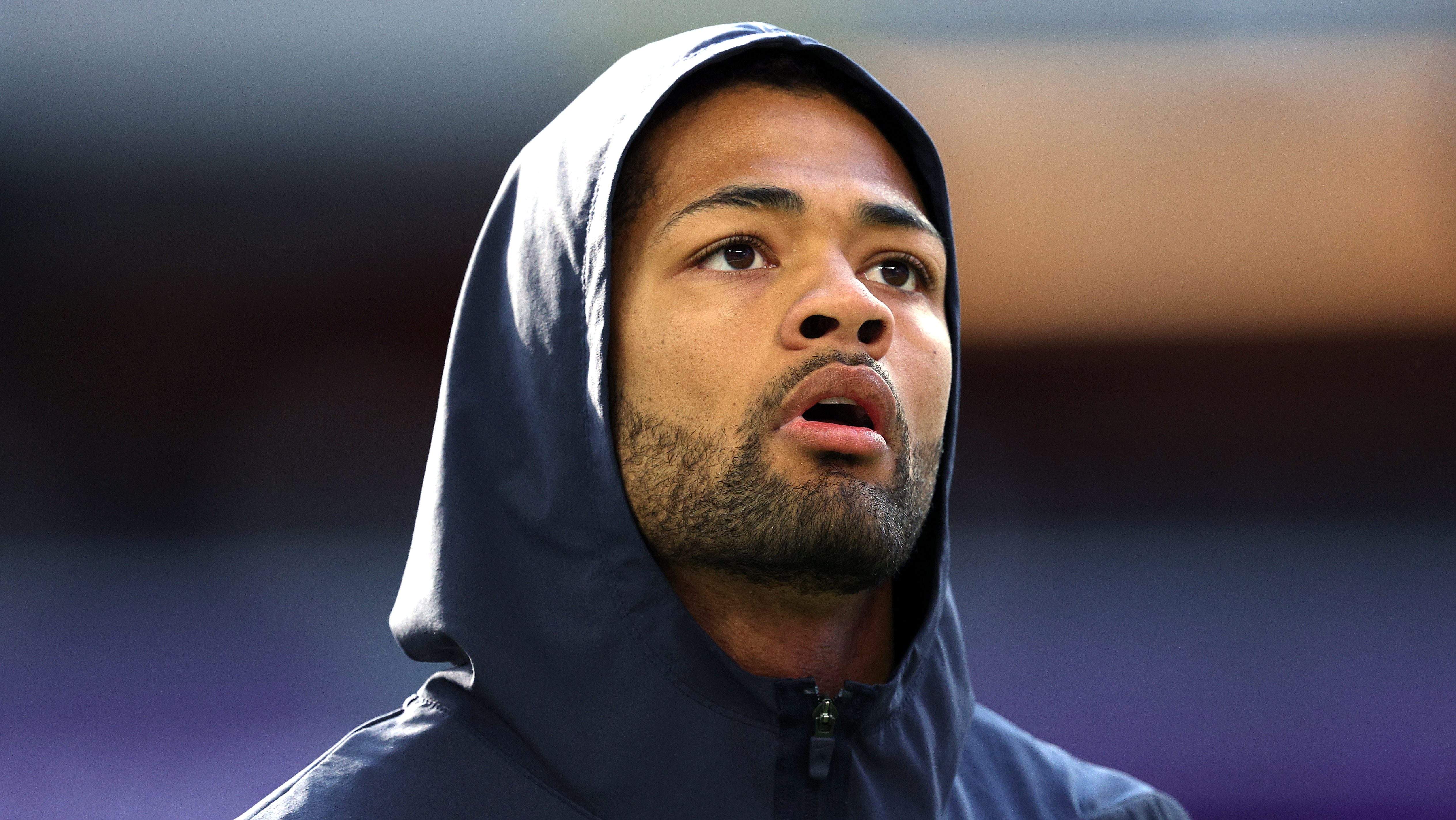
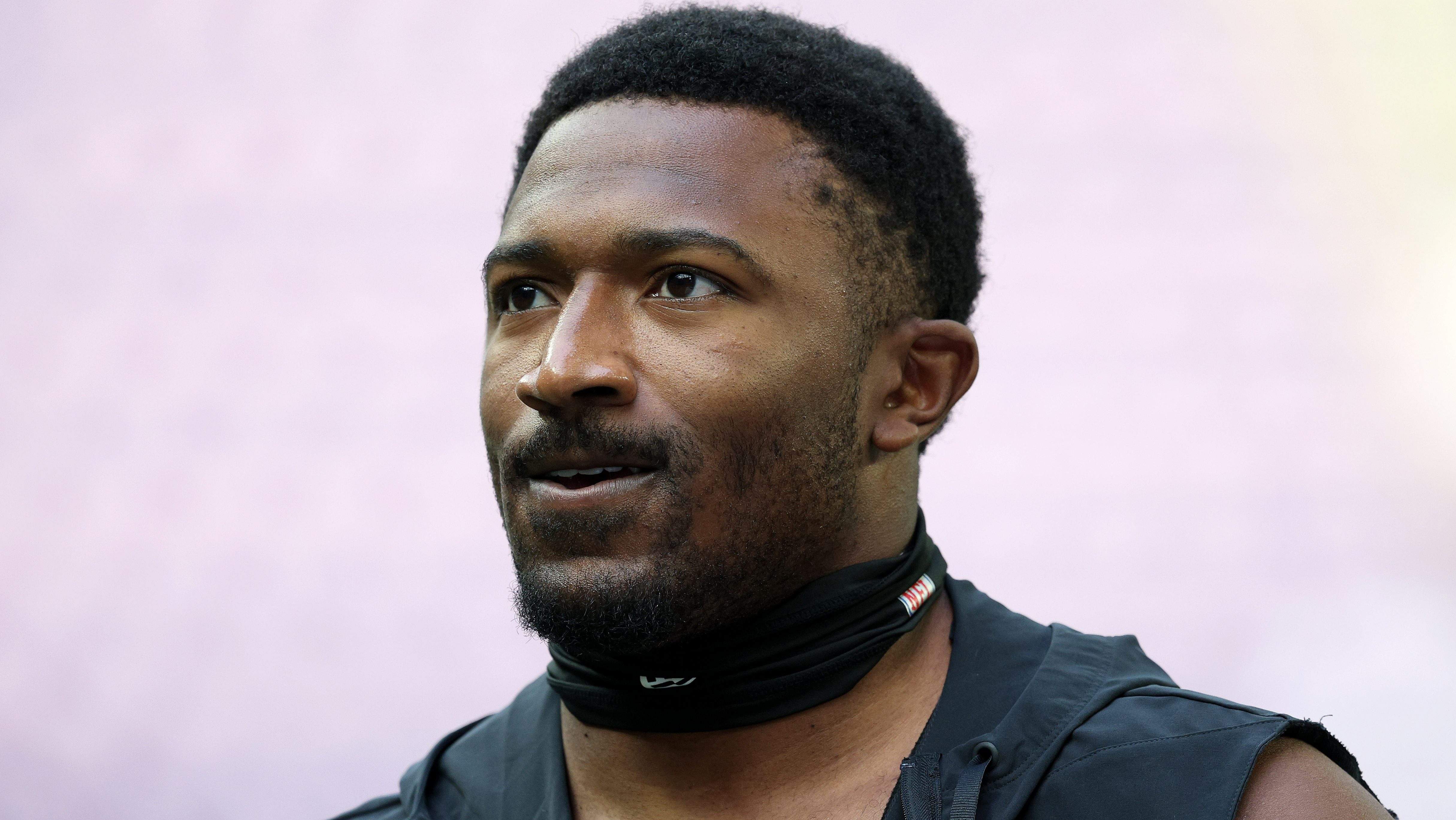
The move to declare Murray as the Week 1 starter did not coincide with an automatic promotion for McCarthy to the backup spot. Instead, Wentz remained in the mix, highlighting the coaching staff’s willingness to evaluate all options and to preserve flexibility in the quarterback room. This dynamic created a deeper storyline for the Vikings, as the team weighed not only the Week 1 plan but also the longer-term implications for the depth chart and roster construction.
Carson Wentz’s NFL journey is a well-traveled one. The Eagles selected him with the second overall pick in the 2016 draft, and they immediately entrusted him with the starting job. The 2017 season showcased Wentz’s extraordinary potential, as he posted a remarkable 11-2 record over the first 13 games and appeared to be on track for a MVP-caliber campaign. Tragically, a torn ACL ended that breakout year, though Philadelphia still captured a Super Bowl title that season. In the years that followed, Wentz faced struggles in sustaining the peak performance he flashed early in his career.
Wentz’s career trajectory took him to several teams after leaving Philadelphia. He spent a season with the Indianapolis Colts before moving on to Washington, where difficulties continued. A stint with the Los Angeles Rams followed, with the quarterback touring multiple environments in the pursuit of a steady role. His next stop brought him to Kansas City before winding up with Minnesota in 2025.
During his time with the Vikings last season, Wentz appeared in five games, accumulating 1,216 passing yards, six touchdowns, and five interceptions. The team finished those appearances with a 2-3 record. While the numbers don’t tell the full story of his impact, they underscored that Wentz remained a playable option and a veteran presence capable of contributing in spot duty or providing leadership within a quarterback room fighting for a stable path forward.
The quarterback competition itself is more than a simple depth-chart exercise. It reflects the broader NFL reality where teams must balance development, game readiness, and long-term plans for the position. For the Vikings, the decision-making process around McCarthy, Wentz, and Murray will influence their tactical approach, the development of younger talent, and how they distribute reps across practice sessions and preseason games.
Beyond the immediate Week 1 considerations, the situation invites scrutiny of each quarterback’s arc. Murray’s established starter status places him in a familiar role, but the Vikings are assessing what the future could look like should an injury or a performance question arise. McCarthy, a younger quarterback with potential, represents a development track that could pay dividends if he rises to the challenge. Wentz, with his extensive NFL experience and leadership, offers a veteran option who can mentor others while still contributing on the field if called upon.
Looking ahead, the Vikings’ quarterback depth will be tested as the season progresses. If McCarthy continues to progress, he could earn steadily increasing responsibilities. If Wentz maintains readiness and sharpness, he could provide a reliable fallback and a valuable resource for the coaching staff, especially in high-pressure situations that demand a poised veteran presence. The outcome of this competition will shape not only the team’s tactical flexibility but also the perception of Minnesota’s quarterback development strategy for years to come.
In summary, the Vikings entered a critical phase of evaluation, balancing expectations for Week 1 and long-term planning. Kyler Murray’s anticipated role as starter remains unchallenged for the immediate opener, but Carson Wentz’s continued involvement ensures that the team retains a comprehensive, versatile quarterback group. The unfolding storyline offers a compelling narrative about veteran leadership, youthful upside, and the ongoing pursuit of quarterback stability in a league that demands both readiness and adaptability at the most crucial position on the field.