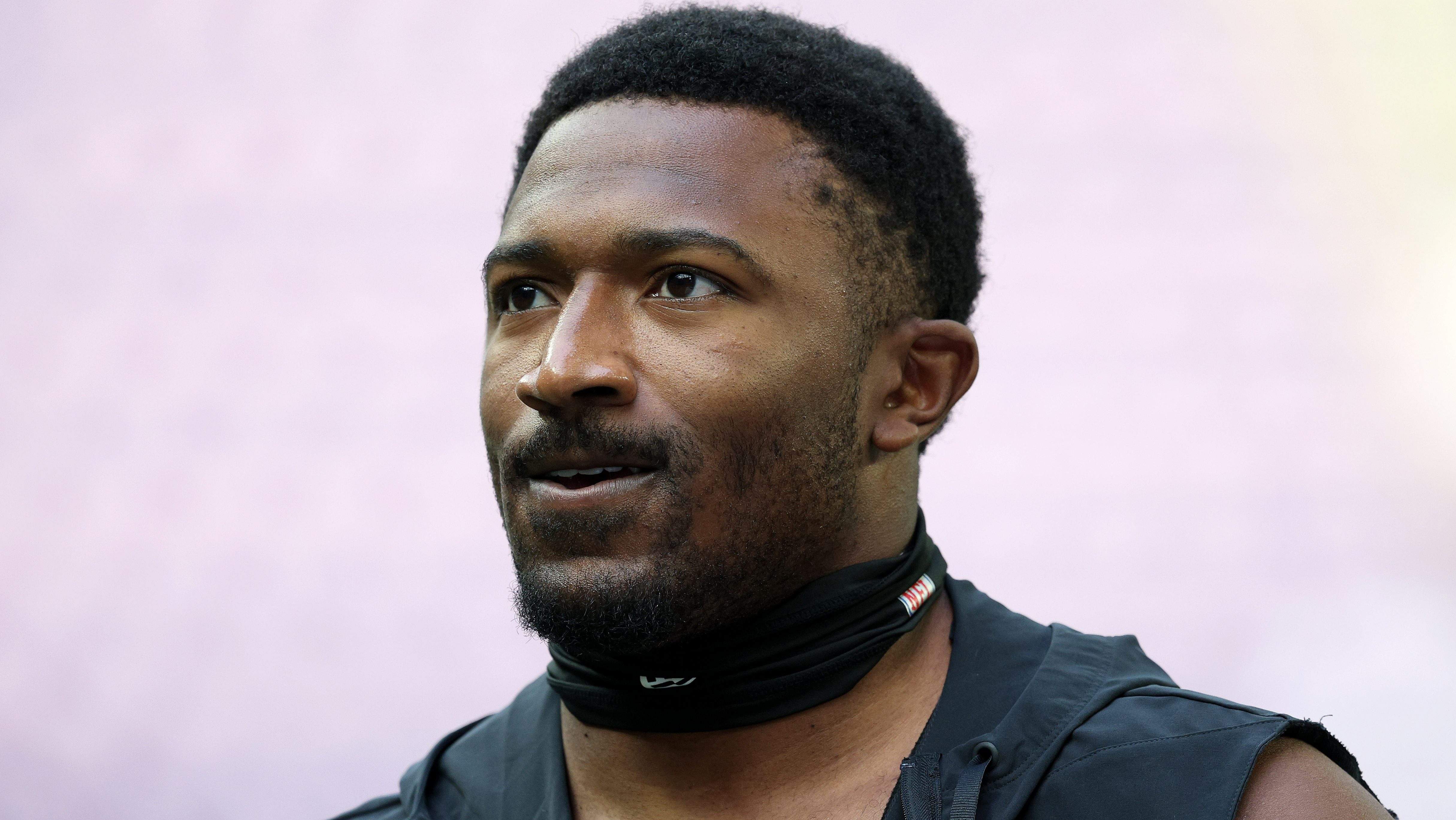
Odunze enters his third NFL season as a key component of Chicago’s passing attack. The current depth chart lists him as the starting wide receiver opposite Luther Burden III. Kalif Raymond sits behind Odunze, while Jahdae Walker trails Burden in the pecking order. The Bears traded away a major piece of their receiving corps in the offseason, sending DJ Moore to the Buffalo Bills, which underscored the importance of Odunze staying healthy and productive. If Odunze is available, he is expected to play a larger role alongside Burden and tight end Colston Loveland. This combination gives quarterback Caleb Williams an established target as the team transitions into a new era under head coach Ben Johnson, who is entering his second season with the organization.
Last season, Odunze produced solid numbers despite a foot injury that cut his regular season short. He logged 44 receptions for 661 yards and six touchdowns in 12 games played, missing the final five regular-season games before returning for the playoffs, where he nabbed four passes for 88 yards across two outings. The Bears had been encouraged by his health entering this season, with coaches noting improvements and no setbacks related to the previous foot issue. This injury update, however, has added a layer of concern as the team approaches Week 1.
Coach Matt Johnson publicly praised Odunze in early September, referring to him as a model of consistency and noting no setbacks from the foot problem that affected him last year. According to Johnson, the current injury is reportedly unrelated to the prior foot issue, which offers a measure of reassurance for Bears fans hopeful for a full-strength receiving corps.
While Odunze’s status is up in the air, the Bears do not rely solely on him to carry the offense. The roster features other capable options, including Burden, Loveland, and D’Andre Swift, who can contribute in the passing game as the club builds its offense around a young quarterback and a retooled passing attack. The plan appears to be to deploy multiple receivers and use a balanced approach to attack Carolina’s defense.
From a strategic standpoint, Odunze’s presence would provide Chicago with a clear outside-threat option and help stabilize the rotation at wide receiver. His ability to stretch the field would complement Burden’s route-running and Loveland’s matchup versatility, allowing the Bears to keep living space open for the quarterback to operate. If Odunze is unable to suit up, Chicago will likely lean more on its other skilled targets and adjust the game plan accordingly.
Looking ahead to Week 1, Odunze’s availability will become one of the most scrutinized storylines as kickoff approaches. The Bears face a Panthers team looking to establish its identity in the early portion of the season, and Chicago will want its full complement of weapons available as they attempt to set the tone for the year. The decision on Odunze’s status will likely hinge on his ability to practice later in the week and demonstrate progress in reconditioning and calf strength.
In the meantime, the Bears’ preparation continues, with a clear emphasis on establishing consistency at the receiver position and ensuring that the offense can operate smoothly regardless of Odunze’s game status. The coaching staff will weigh the risk of pushing a player with a calf issue too soon against the potential impact of limiting a starting receiver during a pivotal Week 1 matchup.
As the week progresses, updates on Odunze’s status will be closely watched by fans and analysts alike. The resolution of his injury and the timing of his return to practice will play a major role in finalizing Chicago’s active roster for the opener and shaping the team’s game plan for the Panthers. Until then, Odunze remains a critical piece of the Bears’ offensive puzzle, with officials hoping to have him ready to contribute in Week 1 if medical evaluations permit.