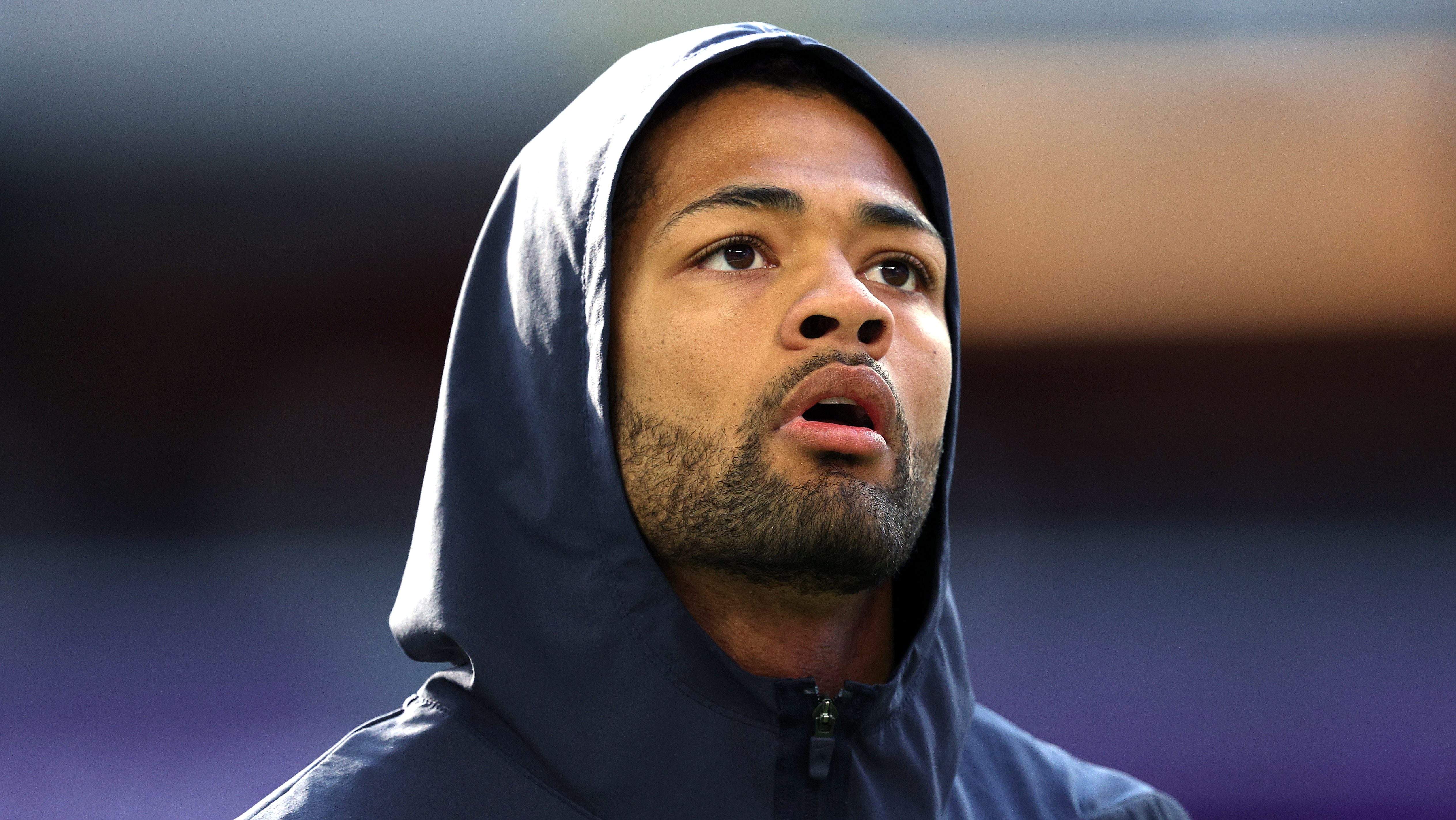
Heading into Week 1, the elevation of Chris Bell and Caleb Douglas to starters signals the organization’s confidence in young developmental talent, while also underscoring a potential gap at proven production at the position. The coaching staff may be banking on the growth of these rookies to supply needed playmaking, but the overall profile of the group remains unproven at the NFL level. This context has continued to fuel speculation about whether the Dolphins could pursue a veteran star receiver as the season unfolds, especially if the young receivers struggle to consistently deliver.
Trade chatter has frequently linked Miami with potential targets who could push the offense over the top, given the absence of a established, high-end pass catcher in 2026. Media discussions have highlighted two broad considerations: the price in draft capital or compensation and the fit within the Dolphins’ offense under the current coaching regime. One recurring name in trade conversations has been a former top-flight wideout from a franchise known for its passing attack. Analysts noted that a team in need of a directional change at wide receiver—especially one dealing with a contract that makes a potential move palatable—could be inclined to explore a deal. Any move of this kind, however, would have to balance salary cap implications, team chemistry, and the long-term impact on the locker room.
From a talent perspective, the Dolphins are betting on the ceiling of their rookies while acknowledging the risk of a thin depth chart at receiver. Tolbert’s late counts and Atwell’s dynamic playmaking have provided occasional flashes, but consistency remains the primary hurdle. Reagor and Marshall bring different skill sets to the table—speed and route-running versatility—yet their NFL track records to date are a mixed bag of potential and underachievement. If Bell and Douglas emerge as reliable targets who can stretch the field and create separation, Miami’s immediate need for a veteran upgrade could diminish. Conversely, if the young trio fails to stabilize the position, the sense of urgency to add a proven difference-maker could escalate as the season progresses.
In evaluating the Dolphins’ wide receiver situation, several factors matter:
– Youth development: The organization’s track record with younger players and how quickly Bell and Douglas adapt to NFL speed and complexity.
– Depth and reliability: Whether the supporting cast can provide consistent targets and separation on a weekly basis.
– Fit with offensive system: How well the rookies align with the quarterback’s throwing style, the play-action game, and the scheme’s anticipated reads.
– Market opportunities: The likelihood of meaningful trade or signing opportunities given current cap space and the cost in draft capital or salary.
There is a broader narrative at play: the Dolphins are attempting to maximize value through a cost-controlled, upside-focused approach at a position often pivotal to an offense’s ceiling. If the rookies show sustained development and the offense can generate efficient targets, the team may be content to ride with the young core. If not, the door remains open for a strategic upgrade via trade or a higher-profile free-agent addition later in the season.
Ultimately, the Week 1 lineup featuring Chris Bell and Caleb Douglas as starters marks a moment of experimentation and opportunity for Miami. The success of this plan hinges on rapid growth, on-field chemistry, and the ability to exploit mismatches with a rejuvenated offensive attack. While speculation about a star receiver entering the season persists, the Dolphins’ current path emphasizes internal development and tactical decision-making over immediate, top-tier acquisitions. As the season unfolds, observers will watch closely to determine whether the young talents can deliver the production needed to sustain the team’s offensive ambitions or whether a veteran push remains a necessary option to reach their potential.