Rosenhaus, Wright’s agent, spoke about the situation, noting the frustration and uncertainty for his client. On a recent talk show appearance, he described Wright as potentially in limbo for the 2026 season and emphasized the tension between Wright’s ambitions to play for LSU and the evolving conference and league regulations that complicate such a return.
The back-and-forth began with a sequence of legal and conference actions. A Louisiana judge issued a temporary restraining order in mid-August, blocking the NCAA and SEC from blocking Wright and other members of their 2022 high-school class from using a fifth year of eligibility. This ruling created an opening, but LSU still faced significant pressure from the SEC, which subsequently introduced rules aimed at preventing former professional players from returning to college football.
In response, Wright and Harris sought a preliminary injunction in a Louisiana court against future SEC actions that might bar their return to LSU. The court granted that injunction, further fueling the ongoing dispute. Meanwhile, the SEC filed an amended complaint, which included consideration of a potential September vote on suspending LSU from the conference. Amid this pressure, LSU chose not to add Wright and Harris to the 105-man roster for the Clemson matchup, and the two spots were left open for possible future use.
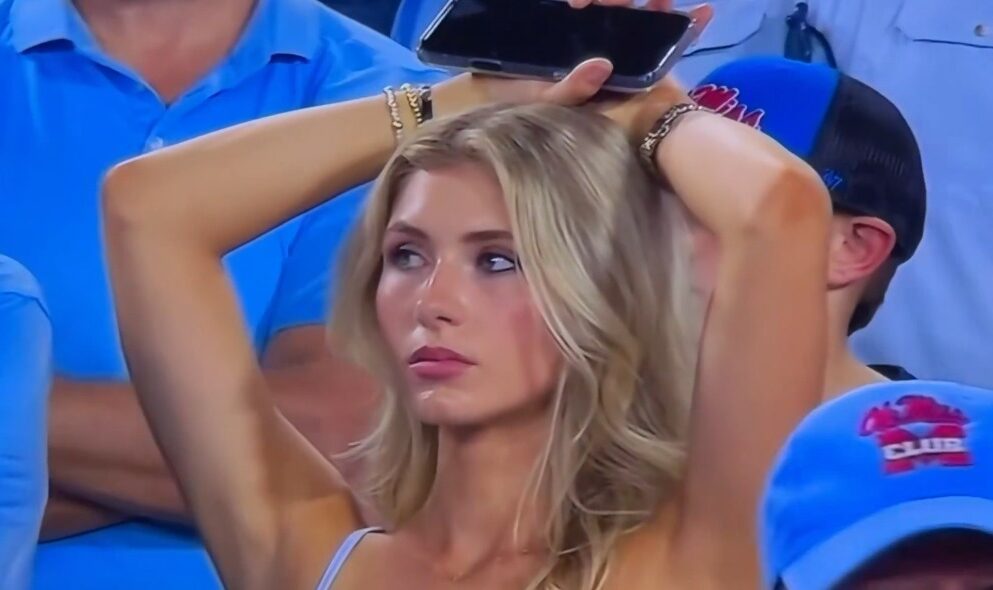
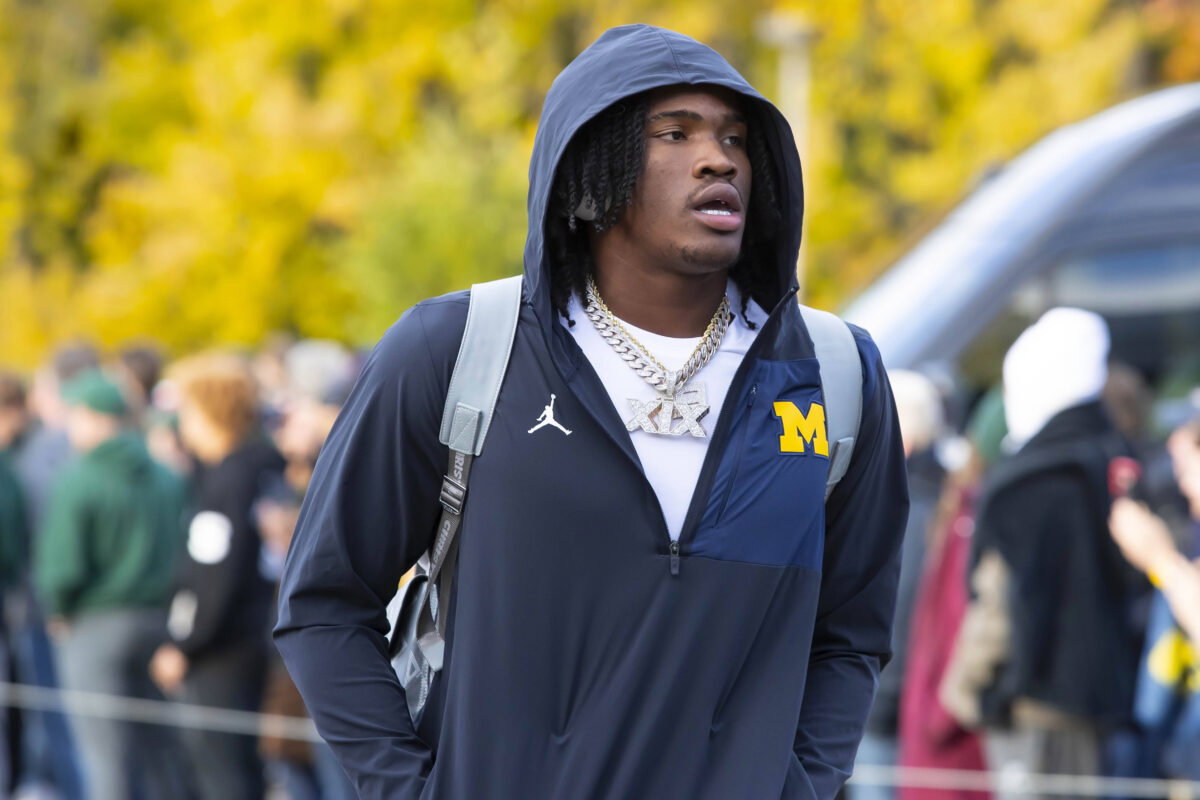
Wright’s athletic history includes time at Ole Miss, where he served as a tight end and posted a productive 2025 season with 39 receptions for 635 yards and five touchdowns. Although he went undrafted in 2026, he had brief stints with NFL teams before being waived in late August. Wright had hoped to return to LSU to continue his development under Kiffin and to pursue NIL opportunities. Harris, a former Ole Miss teammate who navigated a position change and additional pathway to return, also faced a similar crossroads after NFL camps.
Given the current landscape, Wright’s next steps remain uncertain. A later opening at LSU could arise due to injuries or eligibility situations, but for now, his prospects for the 2026 season are unclear. For Harris, the path back to college football also hinges on the SEC’s ongoing rulings and conference-wide decisions.
The evolving case highlights the tension between legal rulings, conference rules, and individual player eligibility in college football. It also underscores the importance of roster management decisions made by programs under intense public and regulatory scrutiny. As the season unfolds, Wright and Harris’ situations may hinge on future rulings, potential roster changes, or new openings that could allow them to continue their collegiate careers.