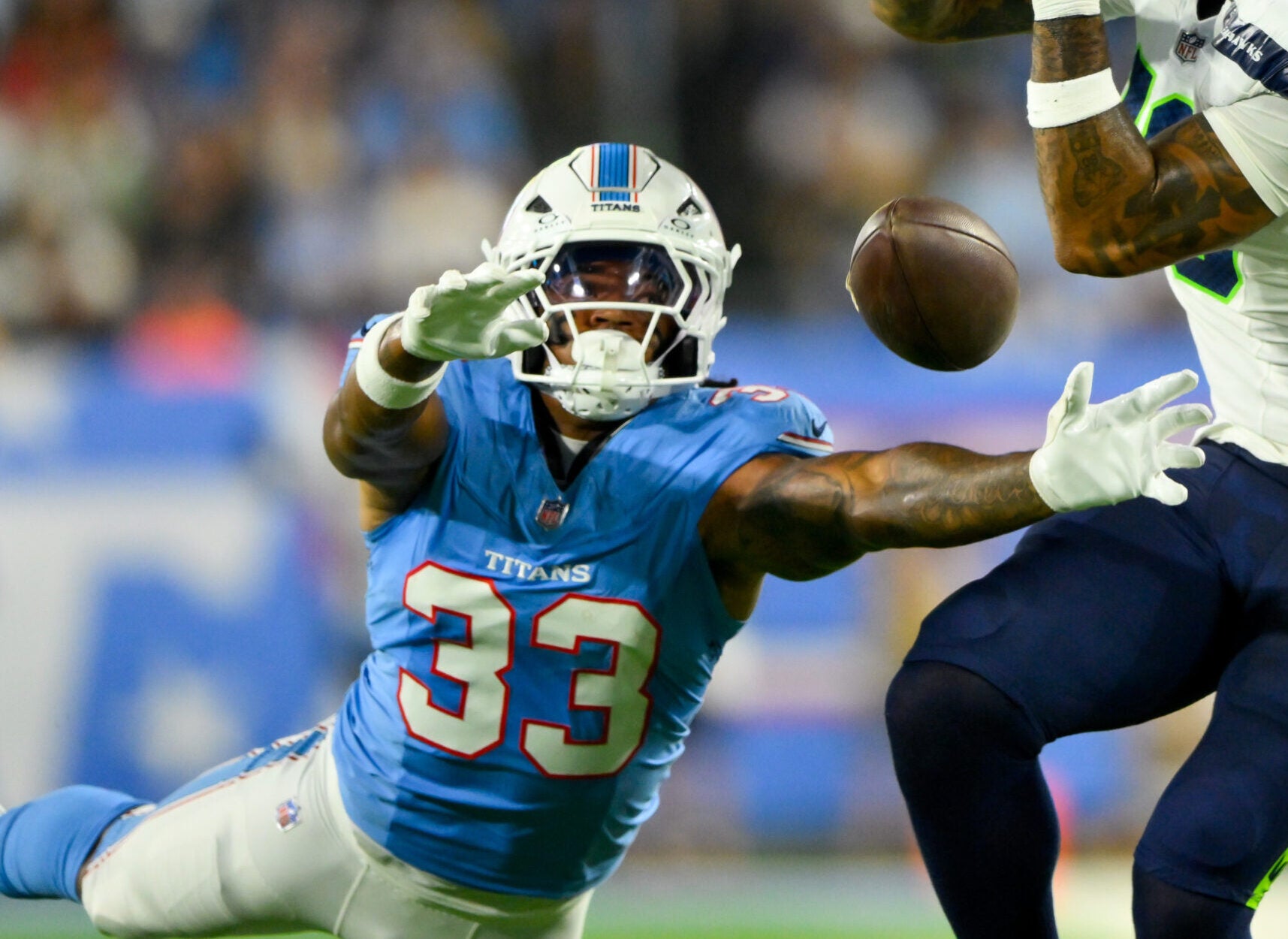
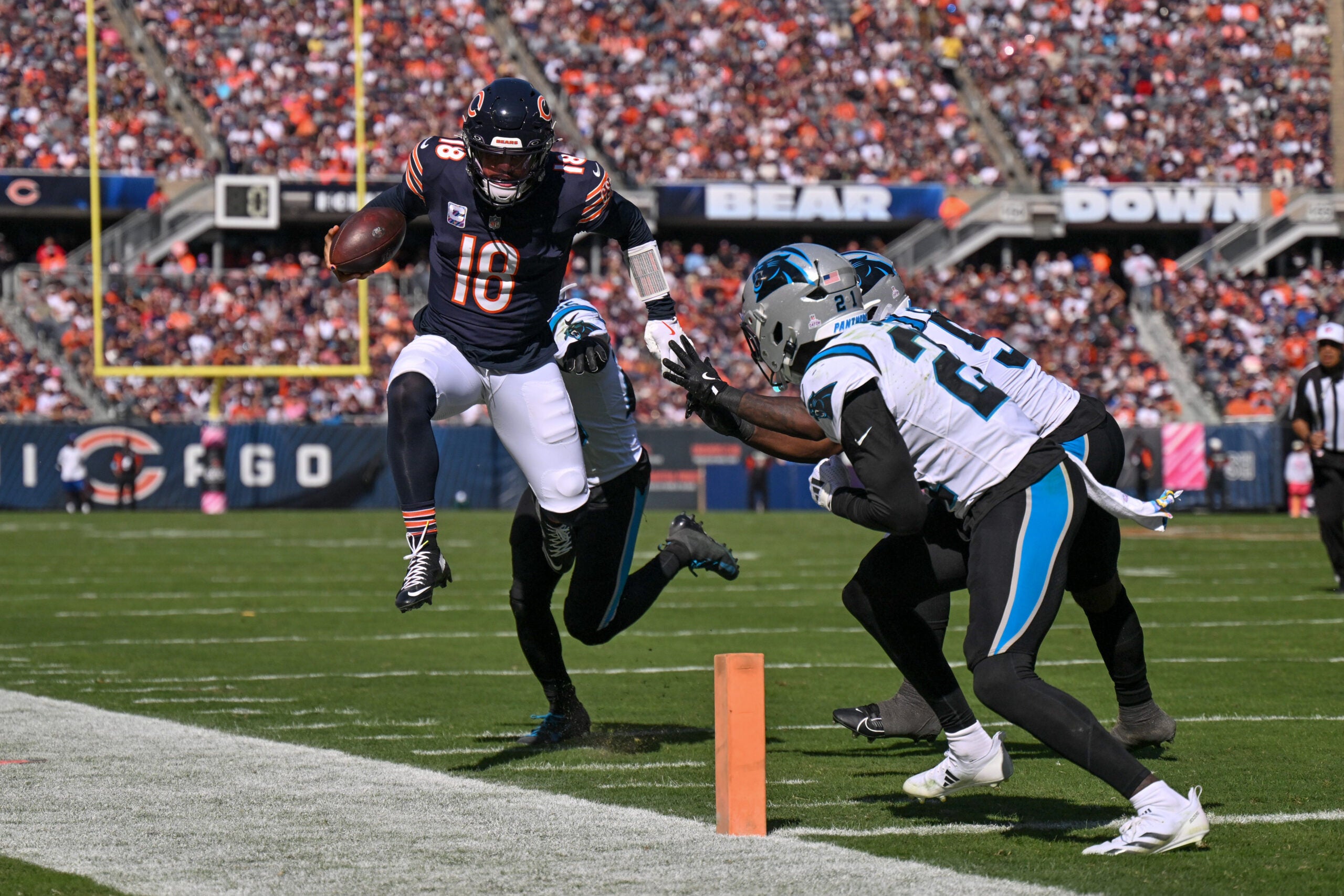
LaPorta burst onto the scene as a rookie who made an immediate impact, earning a Pro Bowl nod and totalled 20 touchdowns across his first three seasons. Those achievements solidify the belief that he is more than just a good player—he is a cornerstone piece for the Lions’ offense. Yet, the heart of the discussion isn’t about whether LaPorta is worth a big contract; it’s about when and how the team should structure that deal given the broader economic landscape and the durability questions tied to his back.
Franchise tag as a strategic lever
A central factor in Detroit’s leverage is the evolving framework around the franchise tag for 2027. Projections place the tag for a top tight end in the neighborhood of $17.5 million per year. In practice, this creates a built-in safety valve for the Lions: if a long-term agreement isn’t reached this year, the team can secure LaPorta’s services at a competitive annual figure through the tag, with the option to tag him again in 2028 at an even higher rate—around $21 million. This structure provides significant flexibility, allowing Detroit to avoid rushing into a record-setting, long-term commitment while still preserving the relationship with a player who has proven his value.
Historically, the Lions have shown a pattern of paying their core players when they view them as essential to the team’s future. They rewarded quarterback Jared Goff, wide receiver Amon-Ra St. Brown, and offensive lineman Penei Sewell, among others. The franchise tag strategy, in this light, isn’t a punitive alternative but a measured tool that can preserve leverage while the player demonstrates sustained performance and durability.
Health as the decisive factor
LaPorta’s recent injury history adds a pragmatic layer to the negotiations. He missed the final eight games of the previous season due to a herniated disc that required surgery. He returned for training camp and participated fully, with positive reports surrounding his health. While the July and August assessments are encouraging, the Lions’ decision-makers are keenly aware that a long-term, guaranteed contract hinges on durability over a full NFL season.
Back health is different from on-field performance in a way that directly affects the risk calculus for a multi-year, high-guarantee deal. The Lions have the luxury of monitoring LaPorta through a full season, observing how his back holds up under game-day wear, repeated hits, and the grind of a 16- or 17-game schedule. If he plays at a high level again and remains durable, the likelihood of a substantial extension increases. If durability flags recur, the franchise may lean more heavily on the franchise tag as a prudent, lower-risk path.
What happens next
If LaPorta maintains his early-career form, stays healthy, and posts another strong season, the case for a sizable contract only strengthens. He could emerge as one of the top paid tight ends in the league, potentially setting a ceiling near the upper echelon of the market. Conversely, if nagging health concerns resurface or the season reveals durability limitations, Detroit would likely lean more on the franchise tag as a containment measure while continuing to evaluate the long-term fit.
The franchise tag remains an option, but it isn’t the preferred long-term solution for the Lions if LaPorta proves to be a stabilizing, elite presence. The organization has shown willingness to invest in players it views as essential to the team’s core identity. A negotiated extension remains the more likely outcome if LaPorta remains healthy and productive.
A scenario to watch
Consider a season where LaPorta plays 14–16 games, puts up strong numbers, and continues to demonstrate reliability and resilience. In such a case, the Lions would likely feel confident in extending him with a contract that reflects his impact, while also aligning with the club’s long-term salary structure. If an injury scare emerges midseason or his performance dips, the club might opt to deploy the franchise tag as a cautious, short-term measure, allowing them to reassess once the following year begins.
The underlying dynamic is clear: Detroit has built a framework that offers financial flexibility without compromising the ability to keep a franchise cornerstone. LaPorta’s back issue is the most consequential variable. The Lions can wait and observe, using the franchise tag as a hedge until a time when they are certain about long-term guarantees.
Bottom line
Sam LaPorta’s value is undeniable. The Lions appear to be in a favorable position to manage his contract negotiations carefully, leveraging the franchise tag as a contingency while they monitor his health and performance over a full season. If his back holds up and he maintains elite production, a landmark extension could be on the horizon. If durability concerns persist, Detroit still possesses a viable, lower-risk path to retain his services without overcommitting to guarantees that could become burdensome in the event of a recurring injury. The coming season will be pivotal in shaping the ultimate contract trajectory for LaPorta and, by extension, the Lions’ offensive architecture for years to come.