Background on the decision
As teams trimmed their rosters to the 53-man limit, the 49ers faced a tough evaluation at defensive tackle. Alfred Collins, a 2025 second-round pick out of the University of Texas, earned a spot on the 53 by the end of the preseason, with Bryson Eason being released. The expectation among some observers was that Eason, who had shown strong production and versatility in the preseason, could push for more immediate snaps. The 49ers chose to invest in Collins, hoping his potential and draft pedigree would translate into a productive rotation piece.
Injury setback and early consequences
Shortly before the team’s season-opening game, Collins suffered a knee injury during practice in Melbourne, Australia, prior to facing the Rams. The diagnosis was a torn patellar tendon, which ended his season before it began. Coach Kyle Shanahan confirmed the severity, noting that the injury created a significant loss for a defensive front that was already navigating other injury challenges.
The broader context on the defensive line
The injury wave hit the 49ers’ interior front hard. In the weeks leading up to Collins’ injury, defensive end Sam Okunlulu (Okuyanonu) was placed on injured reserve due to a broken foot. With Collins sidelined, the team faced a patchwork interior that had to be cobbled together with limited proven options. The depth chart at the position became especially thin, highlighting the risk of relying on a single young contributor to anchor a rotation.
Current interior options and potential path forward
San Francisco’s healthy interior options on the active roster include second-year tackle C.J. West and rookie Gracen Halton, along with veteran Osa Odighizuwa, who arrived via a trade with Dallas. An undrafted rookie, James Thompson Jr., also looms as a potential contributor, but he himself missed practice with a hamstring issue earlier in the week. The team’s practice squad includes Sebastian Valdez and Kevin Givens, both in Melbourne, with expectations that either could be elevated to the 53-man roster to help fill the void as the situation evolves.
Implications of the Eason decision
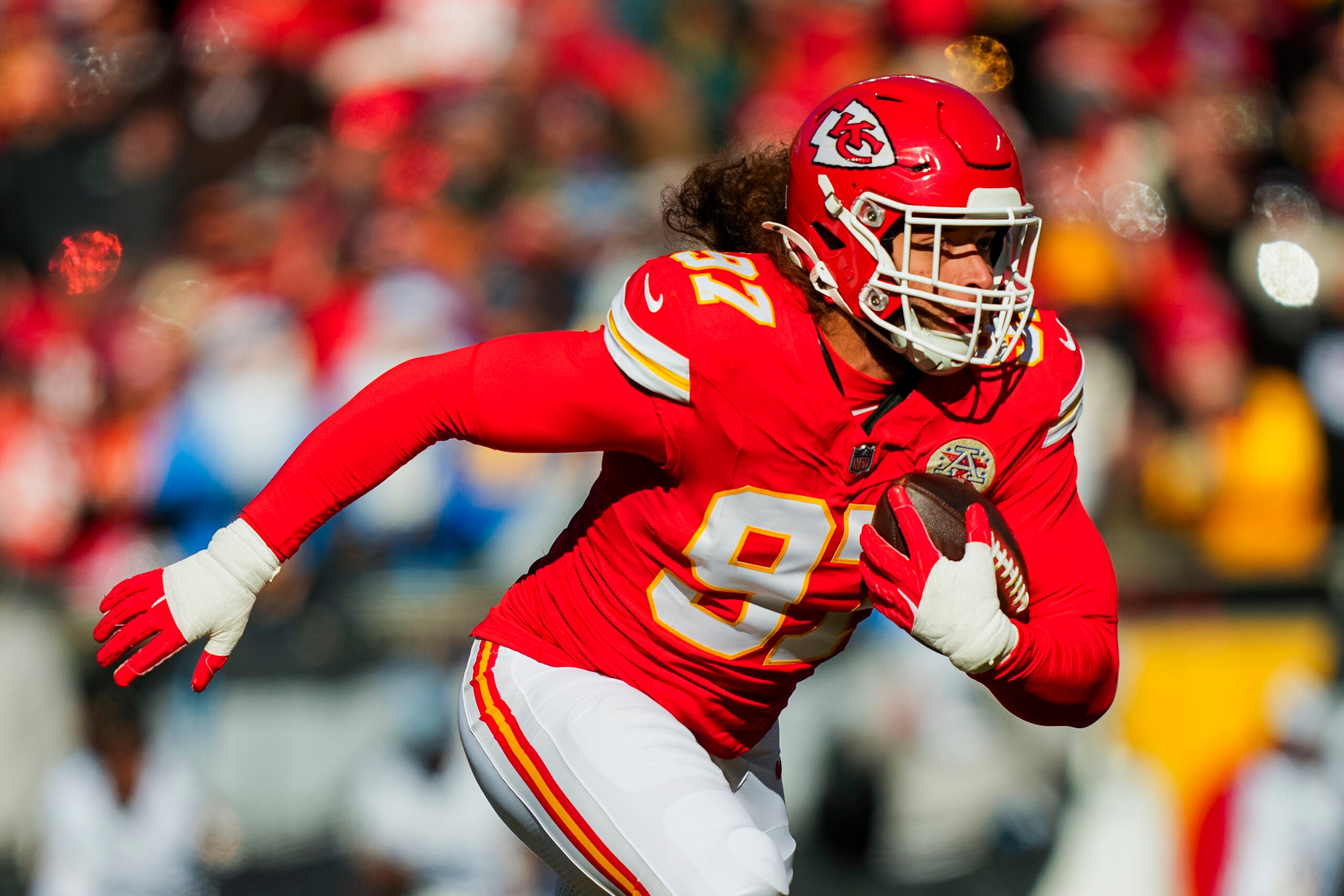
One of the central debates around the early-season setback is whether keeping Collins over Eason was the right call. Eason had a robust preseason and, in several evaluative measures, appeared to be a strong bet to contribute early. The Chiefs’ decision to claim Eason after his release only intensified the narrative that the 49ers may have passed on a more ready-made option. If Collins cannot return quickly or if his development stalls, that choice could carry an opportunity cost, particularly in games where interior pressure is critical.
Mitigating factors and strategic options
– Development vs. immediate impact: Collins’ long-term potential remains a consideration, but the 49ers must balance development with the need for proven production during a pivotal early-season stretch.
– Depth diversification: With several players dealing with injuries, there is a clear incentive to rotate in versatile linemen who can contribute in multiple roles, including run-stopping duties and interior pass rush.
– Practice squad flexibility: Elevating either Valdez or Givens, or promoting another interior lineman from the practice squad, could provide the necessary depth without rushing a rookie or an unproven player into a high-leverage role.
– Free agency and in-season additions: If the current options underperform or remain limited by health, the team could explore outside additions who can quickly acclimate to the scheme and provide snaps without a long learning curve.
What lies ahead for the 49ers
The 49ers will need to navigate a tough schedule with a patched-together interior defensive line for at least the early portion of the season. The immediate challenge is to maintain a stable rotation that can keep opposing interior linemen from overwhelming the pocket while also offering interior run-stopping efficiency. Depending on how quickly Collins can recover (if he returns at all this season) and how well the other interior players step up, sanity and productivity may hinge on the team’s ability to optimize a rotating group rather than rely on a single standout. The coaching staff will likely emphasize communication, alignment discipline, and schemed pressure to offset any gaps at the position.
In sum, the decision to retain Alfred Collins over Bryson Eason has already had meaningful consequences as the season begins. The 49ers now face the dual challenge of managing short-term depth and cultivating Collins’ upside for a future impact. How they adapt, rotate, and potentially supplement the interior trench work will shape the team’s early results and overall defensive performance in 2026.