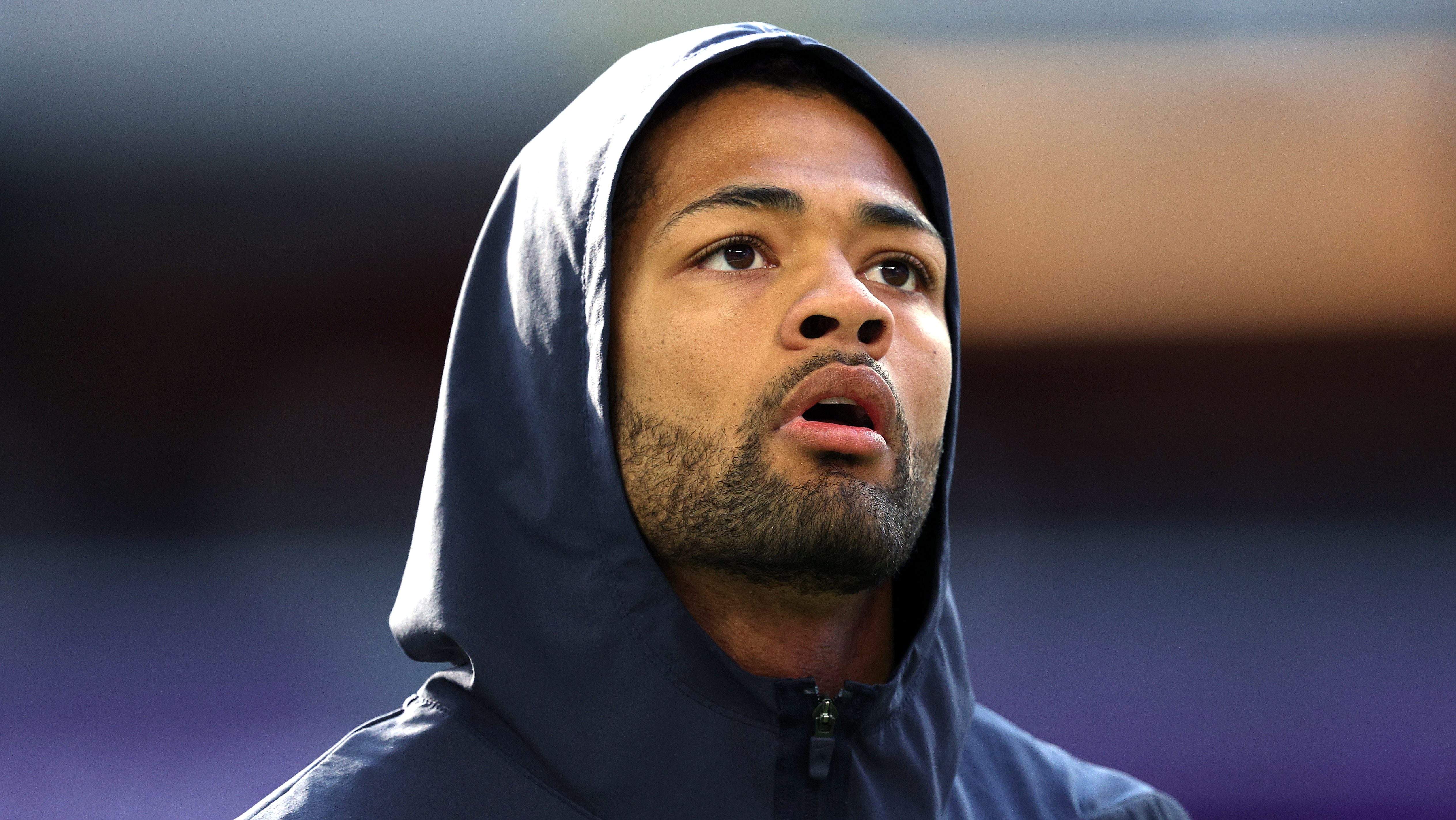
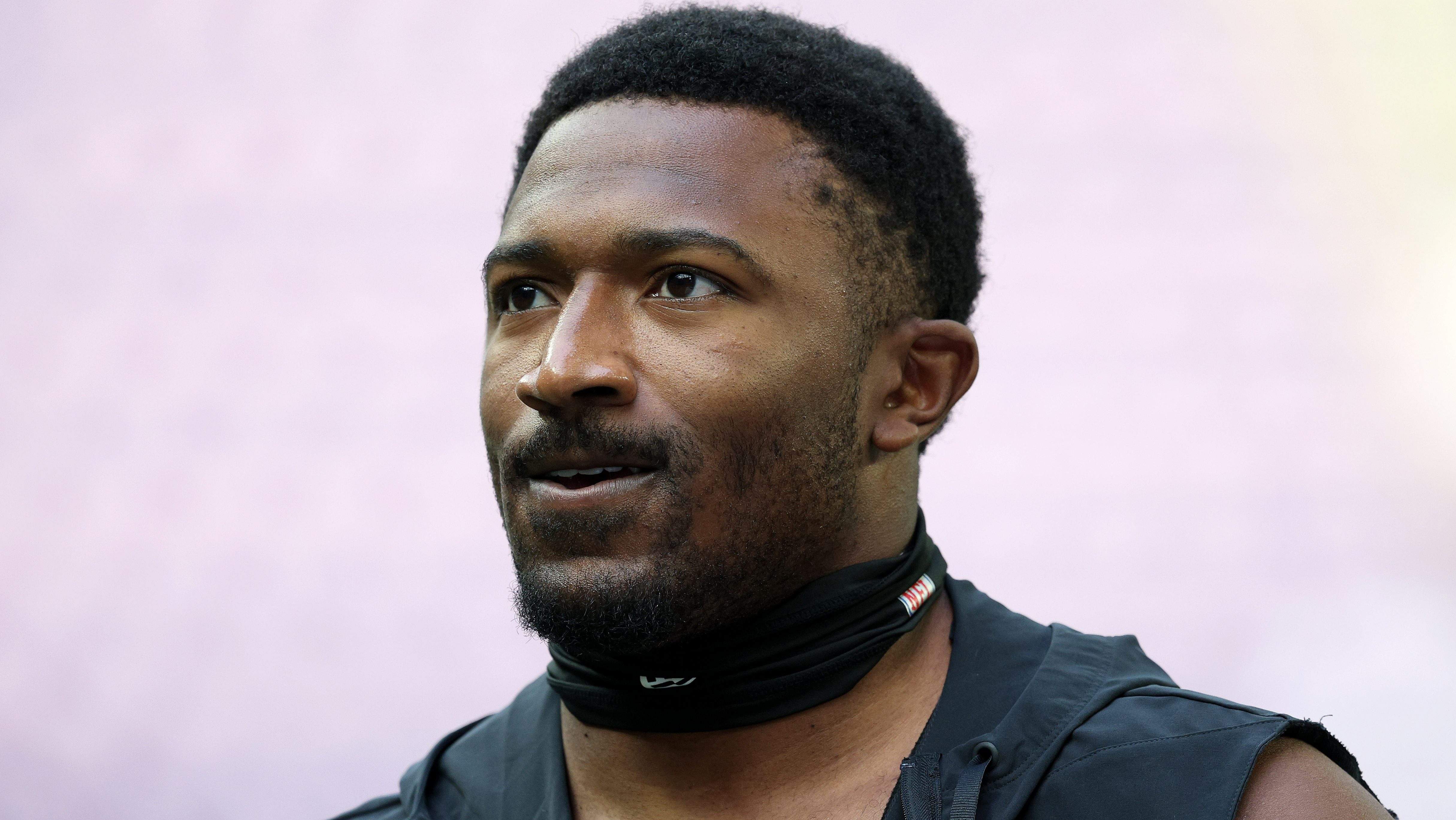
That hypothetical scenario gained momentum when discussions around a veteran signal-caller named Baker Mayfield shifted in an unexpected way. At the time, Mayfield faced unrestricted free-agent status in 2027, and negotiations with his then-team, the Tampa Bay Buccaneers, appeared to have stalled. In a surprising turn, a few days before the 2026 season began, reports emerged that Mayfield and the Buccaneers had reached a three-year contract extension worth $165 million, effectively tying him to Tampa Bay through 2029. The extension was widely covered as a significant development for both Mayfield and the Buccaneers.
The notion of Mayfield donning green and white in 2027 captured the imagination of Jets fans. Social media and sports commentary lit up with speculation about how Mayfield’s presence could alter the Jets’ QB timeline, especially in a hypothetical scenario where the Jets could pair him with future draftees or other quarterbacks while charting a more flexible path toward competitiveness.
Fans and analysts debated whether Mayfield would be the right fit for New York. Some pointed out that Mayfield’s contract status and annual average value would place him among the higher-paid quarterbacks in the league, prompting questions about whether such a deal would be prudent for a franchise still building around a core of young talent. Others argued that adding a veteran with starting experience could accelerate the Jets’ timeline by providing stability and leadership while their young players develop.
The central theme in these debates has been optionality. The Jets would benefit from keeping diversified options at the quarterback position—whether through free agency, trades, or the draft—so they can tailor their strategy to the evolving landscape of the league. The broad consensus is that the more paths available, the better the chances of landing a quarterback who can anchor the franchise for years.
As the hypothetical Mayfield scenario played out in conversations and social feeds, the reality remained that the Jets would need to weigh their quarterback strategy carefully. If a veteran quarterback were to become available under favorable circumstances, it could prompt a reconsideration of how to allocate resources, especially given the surefire value of drafting and developing a quarterback who can grow with the team. Conversely, a strong 2027 draft class with multiple impact-ready players could mean investing in a younger quarterback who would benefit from a structured development plan and a stable environment.
Regardless of what the draft yields, the Jets’ focus should stay on building a comprehensive quarterback plan. This includes evaluating free-agent opportunities, considering trades that could bring in a veteran with remaining peak years, and preparing to maximize the upside of marquee rookie prospects. The durability of a successful quarterback pipeline depends on balancing immediate needs with long-term growth, ensuring that whichever route is chosen—draft, free agency, or trade—the team can sustain success over multiple seasons.
Looking ahead, the Jets must remain vigilant about the quarterback market while continuing to develop internal options. If 2027 brings a quarterback who can lead the team to sustained competitiveness, the capital invested in that player will be justified. If not, the door to alternative strategies remains open, with the franchise leveraging its draft capital and salary-cap flexibility to pursue the best possible path.
In the current landscape, Geno Smith remains a starting option for the 2026 season, with Cade Klubnik positioned as a potential successor or development quarterback. Bailey Zappe remains on the practice squad as a depth piece. The longer view will depend on how the Jets’ front office evaluates talent, negotiates with free agents, and rifles through draft possibilities to assemble a quarterback room capable of delivering consistent, long-term success. The pursuit continues, with adaptability and thorough evaluation at the core of the plan.