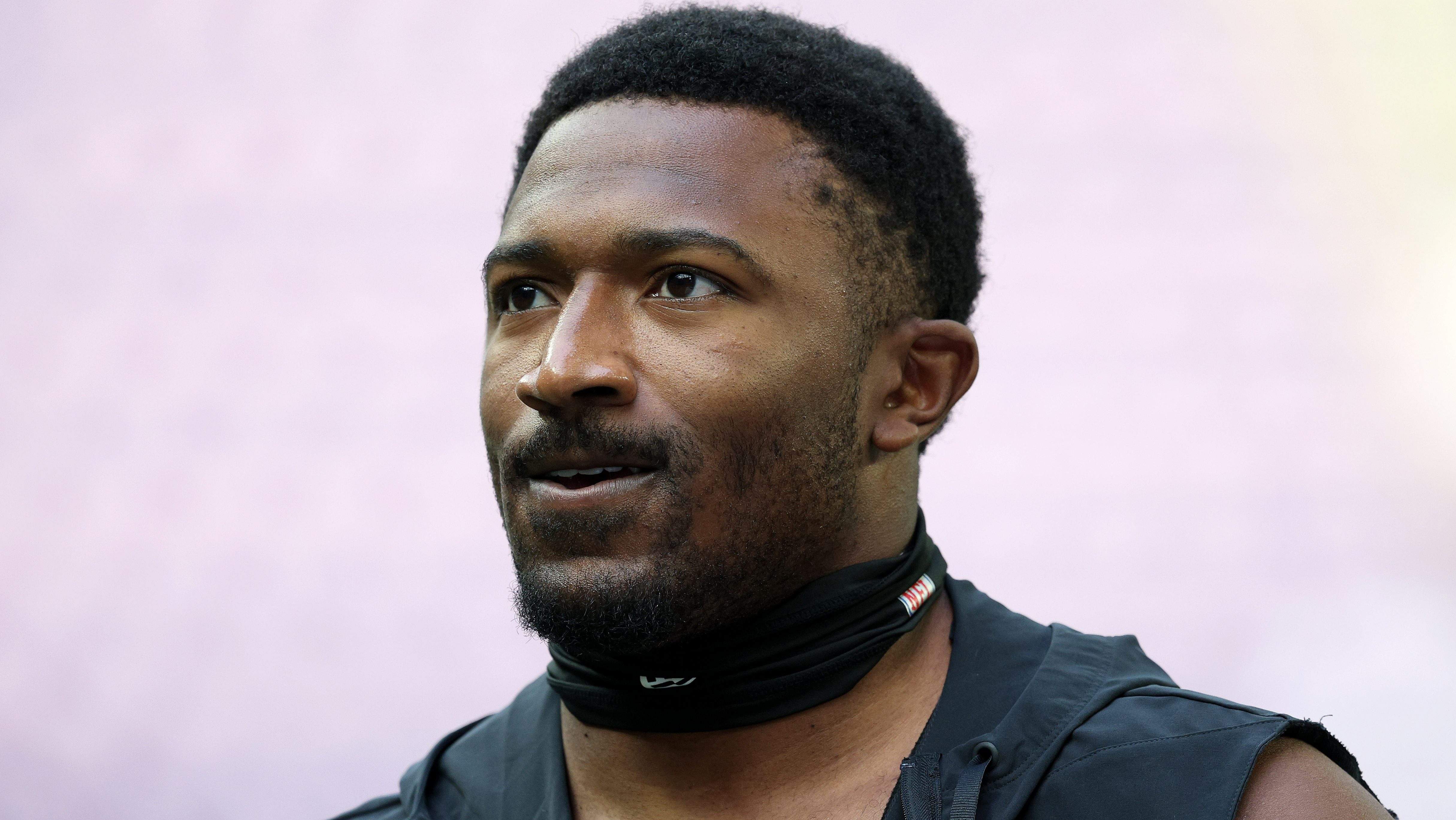
chatter among analysts has consistently underscored Detroit as a realistic trade destination for Ward. The argument hinges on several factors: Detroit’s current talent level, its window to contend for a championship, and the structure of the NFC as a whole, which is broadly perceived as unsettled and opportunistic for a team ready to seize a moment. Ward, a proven playmaker in the secondary, would instantly upgrade a unit that has shown flashes but has struggled with consistency and durability at times.
Ward, who is entering his age-29 season, has built a reputation as one of the league’s premier cornerbacks. He has earned multiple Pro Bowl nods, recognizing his ability to lock down top receivers and impact opposing passing games. The Browns recently extended Ward on a two-year deal worth approximately $62 million, tying him to Cleveland through 2029. That extension came on the heels of a prior agreement worth more than $100 million signed in 2022. While age and contract considerations often influence a player’s trade value, Ward’s caliber and track record maintain his status as a valuable commodity.
From a negotiating standpoint, the Browns could lean into the value of Ward’s experience and production. A team seeking a high-end talent to bolster its defense might be willing to part with Day 2 draft capital—meaning selections in the second or third rounds—as a starting point. Detroit, which owns eight picks in the upcoming draft (all its own rounds 1 through 7, plus an additional seventh-round pick from another team), could structure a deal that advances their long-term plan while also keeping the franchise positioned for an immediate impact. Trading for a player of Ward’s caliber could also be framed as a move to accelerate the defense’s development without overhauling the core that has been building as the team looks to maximize its current season.
Detroit’s defensive unit has shown potential, but it has also faced durability and talent-supply challenges. The secondary, in particular, has been a focal point of concern. Injuries and depth issues at safety and cornerback have strained the unit at times. Reinforcements in the back end would provide more stability to a defense that must complement a potent offense. Ward’s presence could help widen the team’s playmaking options in coverage, improve matchup versatility, and give the coaching staff more flexibility in scheming against different offenses.
Of course, any trade scenario depends on multiple moving parts. For the Browns, moving Ward would require weighing the immediate benefit of draft capital against the value of a player who remains among the league’s best at his position. For Detroit, the calculation centers on whether Ward’s addition would meaningfully elevate the defense enough to shift the balance of power within the division and the conference. The Lions would likely consider how Ward’s presence could influence their overall performance by stifling pass-heavy offenses and supporting a run-defense that has shown progress in recent seasons.
In a broader context, a Ward-to-Detroit deal would align with a strategy seen in other franchises that prioritize strategic reallocations of veteran talent to maximize short-term contention while preserving future flexibility. If Detroit pursues this route, it would also signal a willingness to invest significant assets to bridge any remaining gaps in the roster, particularly on the back end where the team has faced the most notable inconsistencies.
Heading into the upcoming stretch, Detroit’s trajectory will depend on how quickly the defense tightens up and whether the offense can sustain its production. A veteran presence like Ward, paired with a growing corps of defensive backs and pass-rushers, could help the Lions maintain momentum as they evaluate the best ways to optimize their chances in the NFC in the near term. For Cleveland, the decision will hinge on how the market responds and whether the return aligns with their long-term plan for replenishing draft capital and maintaining a competitive roster.
In summary, Ward remains a high-impact asset whose value could attract interest on the trade market, with Detroit representing a natural fit given the team’s window to contend and its need for enhanced defensive playmaking. Any potential move would hinge on the specifics of compensation, timing, and how both sides project their rosters coming down the stretch of the season.