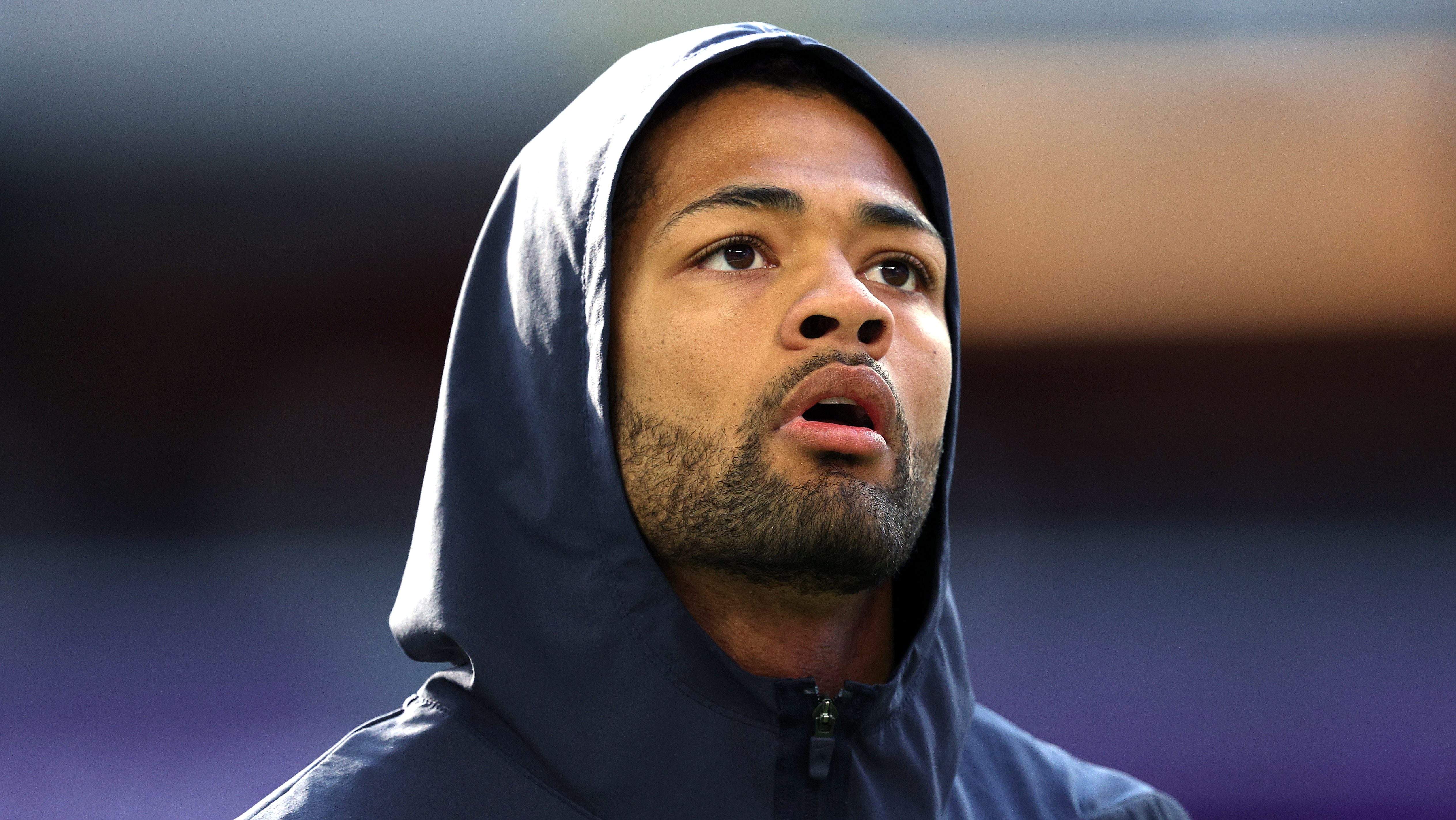
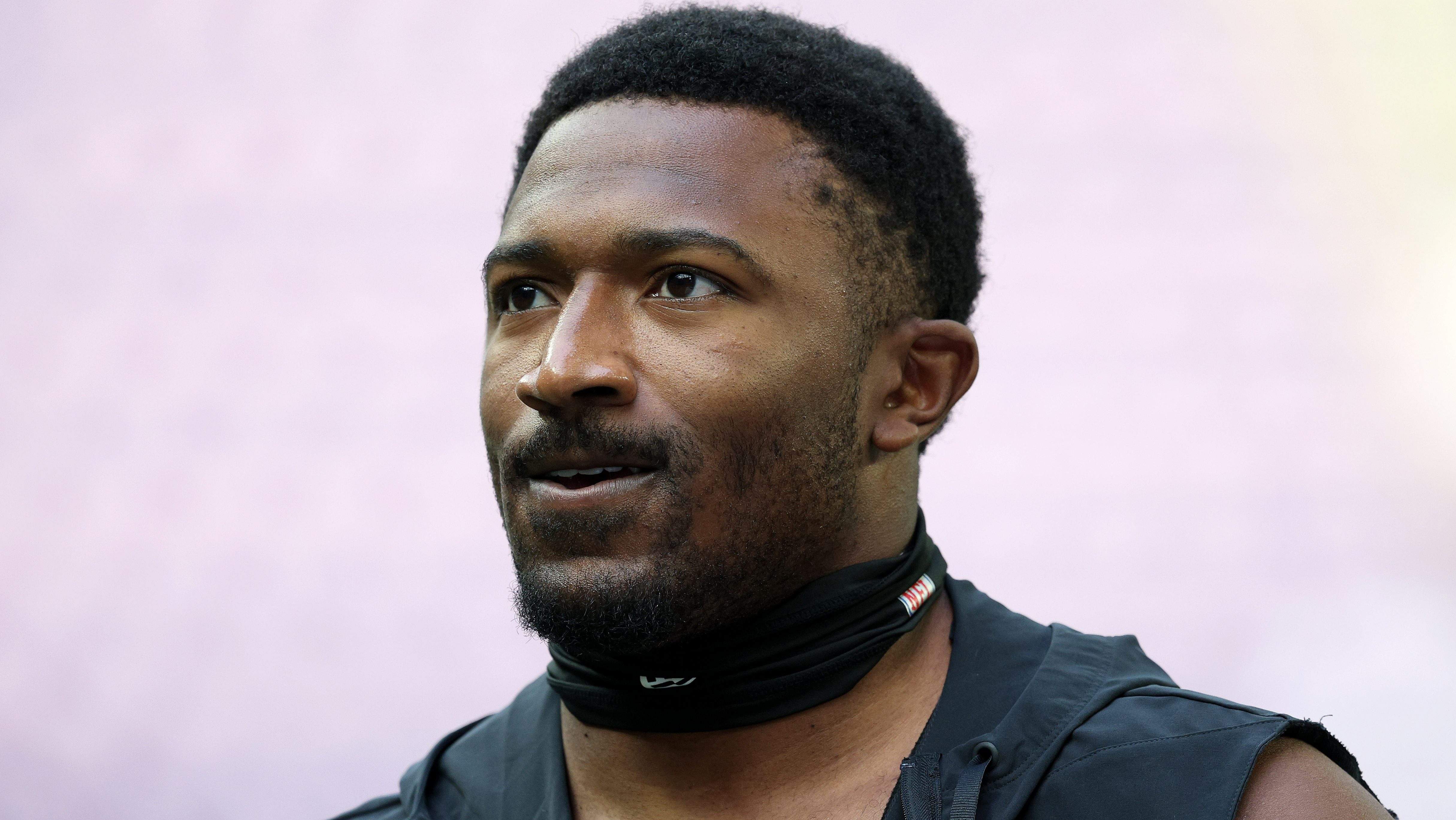
Criticism ranged from calls to remove the captaincy from Watson to accusations and jokes about the decision. Some comments framed the choice as controversial or questioned Watson’s leadership status. The responses underscore the ongoing debate surrounding Watson’s role with the franchise, even as teammates and the coaching staff prepare for the season opener.
Head coach Todd Monken has described the plan as a rotating captain system. Under this approach, the coaching staff designates the game captains each week, while players will vote on a set of permanent season captains at the end of the year. This structure is intended to recognize leadership across a broad group and avoid singling out any one individual for an extended period, especially in situations where performance or circumstances might fluctuate week to week.
Part of the broader discussion centers on how leadership is perceived inside the Browns’ locker room. Some insiders have emphasized that Watson has the respect of his teammates, noting his involvement with the team beyond the field. He has reportedly led offseason work with receivers and invested in the development of younger players. A high level of trust among teammates can be a crucial factor in a quarterback’s effectiveness and in the cohesion of the overall unit.
Monken’s philosophy also aims to acknowledge leadership in a way that reflects the realities of a young team. By rotating captains, the Browns can reward players for the week they demonstrated leadership and performance, rather than locking a single captain in place for the entire season. This method also helps prevent awkward situations if a captain were to be benched or unavailable for any given game, keeping the leadership structure flexible and responsive to current circumstances.
Watson faces considerable pressure to produce early in the season. His track record with the Browns includes 19 appearances over two seasons in which his production did not consistently meet his previous Pro Bowl standards. In his most recent regular-season action, he posted five touchdown passes with a relatively modest passer rating over seven games in 2024. The Browns’ schedule could intensify expectations early, with early opponents including the Jaguars and Buccaneers, followed by a home game against the Carolina Panthers in Week 3. A strong start would provide tangible support for Monken’s captain-rotation approach and help solidify Watson’s standing with the team and its fan base.
The dynamic at quarterback behind Watson remains relevant. Shedeur Sanders is positioned as a potential long-term option, and his presence behind Watson adds an element of significance to every drive and opportunity that unfolds in the early games. Each week’s performance, including key moments in offensive drives, will contribute to the ongoing assessment of leadership roles and readiness across the squad.
From a broader perspective, the captain rotation is designed to balance recognition across a diverse group of players, celebrate weekly contributions, and maintain leadership momentum throughout the season. It allows for multiple voices to be highlighted, reflecting the collective leadership that a competitive NFL team relies on. The approach aligns with the goal of fostering accountability, encouraging role players to step up when called upon, and ensuring that leadership is not dependent on a single individual.
As the Browns prepare for Week 1, all eyes will be on how the captain system translates to on-field performance. The opening matchup against the Jaguars will serve as an early test of the team’s leadership dynamics, the effectiveness of the rotation, and the ability of players to rally around a shared objective. If the system proves successful, it could offer a template for how teams cultivate leadership across a young roster while maintaining flexibility to respond to the realities of a grueling NFL schedule.
In closing, the Browns’ decision to implement a weekly captain rotation, with Watson among the game captains for Week 1, reflects a strategic choice aimed at distributing leadership responsibilities, recognizing a broader set of voices, and adapting to the evolving dynamics of a competitive season. The upcoming games will reveal how this approach impacts team chemistry, performance, and the perception of leadership from both within the locker room and among the fan base.