The Seattle Seahawks made a savvy and timely roster decision on cutdown day by adding cornerback Trevon Diggs to the practice squad. This move signals a clear message about general manager John Schneider’s approach: prioritize cap flexibility while keeping proven talent within reach.
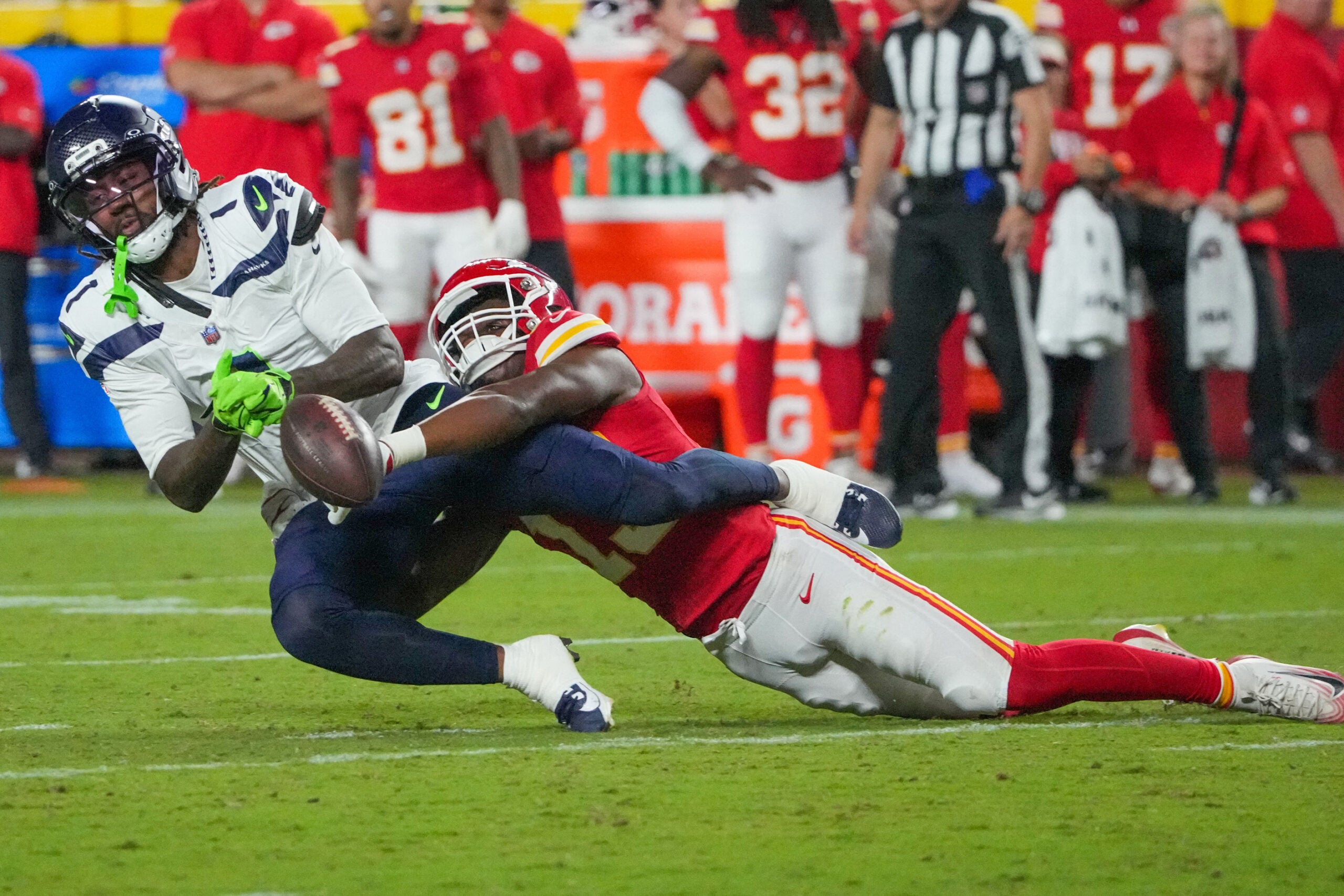
Diggs, a former All-Pro cornerback, participated in Seattle’s preseason activities and even recorded an interception in the preseason finale against Kansas City. Reports indicate he’s fully healthy and contributing to the team in noticeable ways. By placing him on the practice squad rather than the active roster, Seattle preserves valuable cap space and avoids triggering a fully guaranteed salary unless he eventually makes the Week 1 roster.
Financially, this is a prudent arrangement. If Diggs remains on the practice squad at the start of the regular season, the Seahawks are not on the hook for that fully guaranteed money. If circumstances change and Seattle chooses to elevate him to the 53-man roster later, the team could still deploy him without an immediate, fully guaranteed financial obligation. This level of cap management shows how Seattle can balance risk with upside, especially given Diggs’ age and injury history.
From a football perspective, Seattle’s secondary is in need of depth and veteran presence. The defense has shown signs of vulnerability in the back end, and Diggs brings experience and ball skills that could be valuable as the season unfolds. Even if he begins as a practice squad player, his presence provides the coaching staff with another option to activate when needed and to develop within the system.
The longer-term benefit is that Diggs remains within the organization, ready to be integrated if and when a role opens up. This strategy aligns with Schneider’s pattern of managing the margins—keeping a talented player in the building while preserving financial flexibility. It also leaves room for potential additional moves as the season progresses.
As Seattle gears up for Week 1 and beyond, the front office is expected to stay active in shaping the roster. The goal is to retain championship-level competitiveness while navigating the realities of cap management and player availability. Diggs’ addition to the practice squad represents a thoughtful, strategic decision in this ongoing balancing act, offering depth at a critical position without committing immediate, guaranteed funds.
In summary, Trevon Diggs’ placement on the practice squad is a strategic move that enhances depth, preserves cap space, and keeps a veteran presence within reach for Seattle as they prepare for the regular season and the challenges ahead. The Seahawks’ approach demonstrates how careful roster management can maintain flexibility while staying competitive at the highest level.