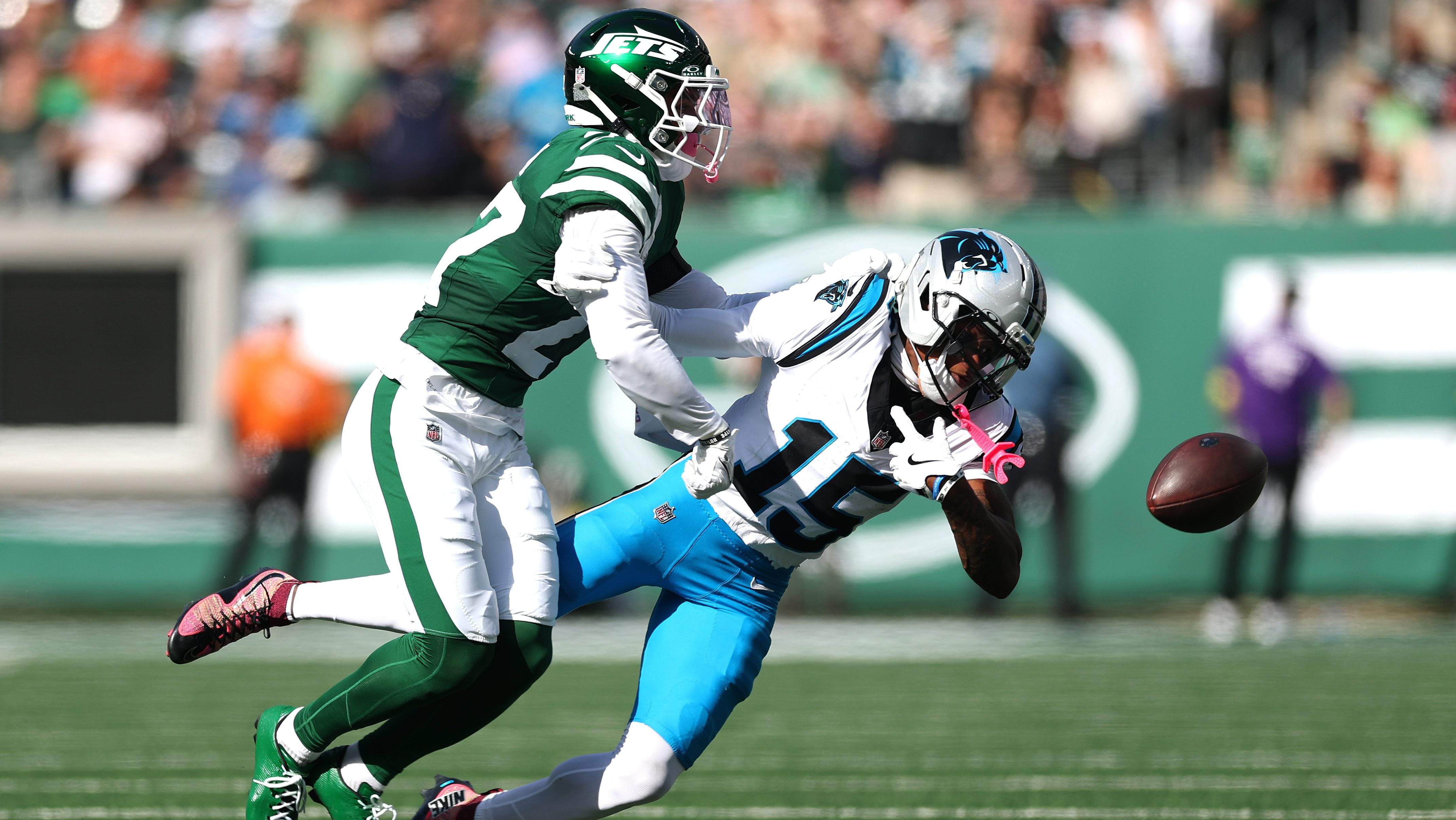
Humphrey, a two-time All-Pro at cornerback, is under a substantial contract that extends into 2026. His $19.25 million cap hit for the final season of his five-year, $97.5 million extension signed in 2020 creates a significant financial consideration for any potential trade. The proposal suggests using Milton as a cost-controlled quarterback with development potential, potentially allowing the Ravens to pursue other paths at the signal-caller position if they decided to move on from current arrangements.
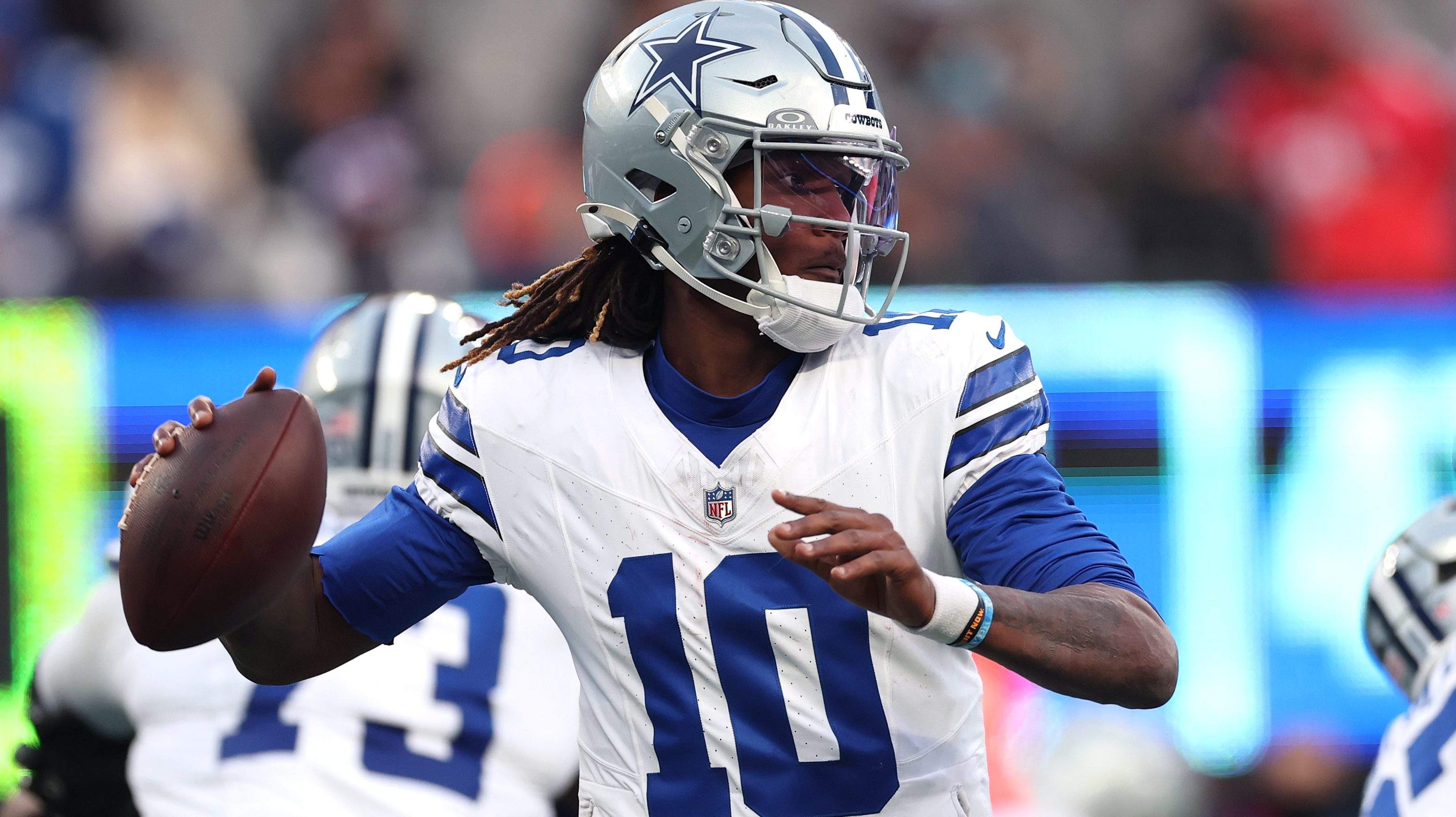
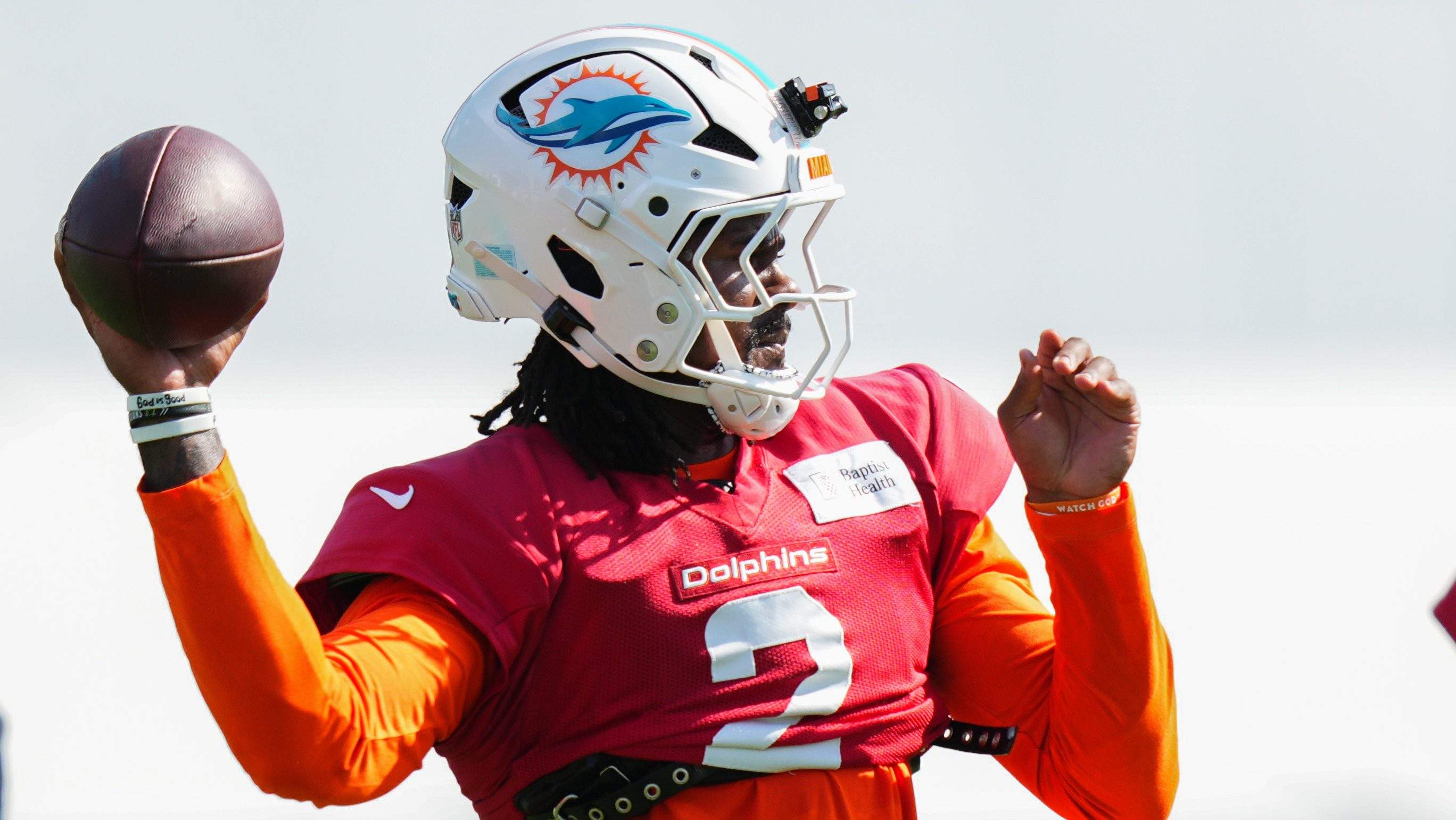
Milton has been a source of intrigue since entering the league. Acquired in a trade from New England, he flashed arm strength and athletic potential during spring practices and into the 2025 training camp. In four regular-season appearances in 2025, he completed 15 of 24 passes for 183 yards, with a touchdown and two interceptions. His growing familiarity with the Cowboys’ offense was noted as a factor in any ongoing competition for the No. 2 quarterback job behind an established starter.
The back-and-forth surrounding Milton centers on his fit within a development timeline. Analysts and evaluators have discussed his potential trajectory, comparing his development to other quarterbacks who emerged as reliable backups or breakout players after gaining time to learn an NFL system. The debate often highlights Milton’s arm talent and the importance of a stable environment to refine decision-making and reading defenses at game speed.
Milton’s draft background adds context to the conversation. He was selected in the 2024 NFL Draft in the sixth round, the same class that featured other highly regarded quarterback prospects. For Dallas, the question is whether Milton can transition from a raw but physically gifted prospect to a practical two- or three-appearance option who can contribute in spot duty or step in after a starter’s injury or performance-based decision.
The trade discussions also reflect broader strategic questions for both teams. For Baltimore, the decision would hinge on balancing Humphrey’s high cap figure with the need to maximize cap flexibility and quarterback development. For Dallas, the objective would be to secure additional quarterback depth without compromising the roster’s overall strength. Milton’s progress, combined with the franchise’s plans for backing up their starter, would shape whether such a move would be viewed as a short-term adjustment or a longer-term investment in development.
Overall, the scenario illustrates how teams weigh expensive, proven veterans against inexpensive, high-potential prospects when mapping out a future roster. It underscores the complexity of quarterback development paths and the pressure to optimize cap space while maintaining competitive depth across the roster.
As the league evaluates potential moves, observers will watch how Milton’s development progresses and how Humphrey’s contract and role fit into any club’s long-term plans. The conversation remains speculative until teams formally engage in negotiations or reach agreements, but it highlights the ongoing balancing act between proven production and cost-controlled upside in modern NFL front offices.