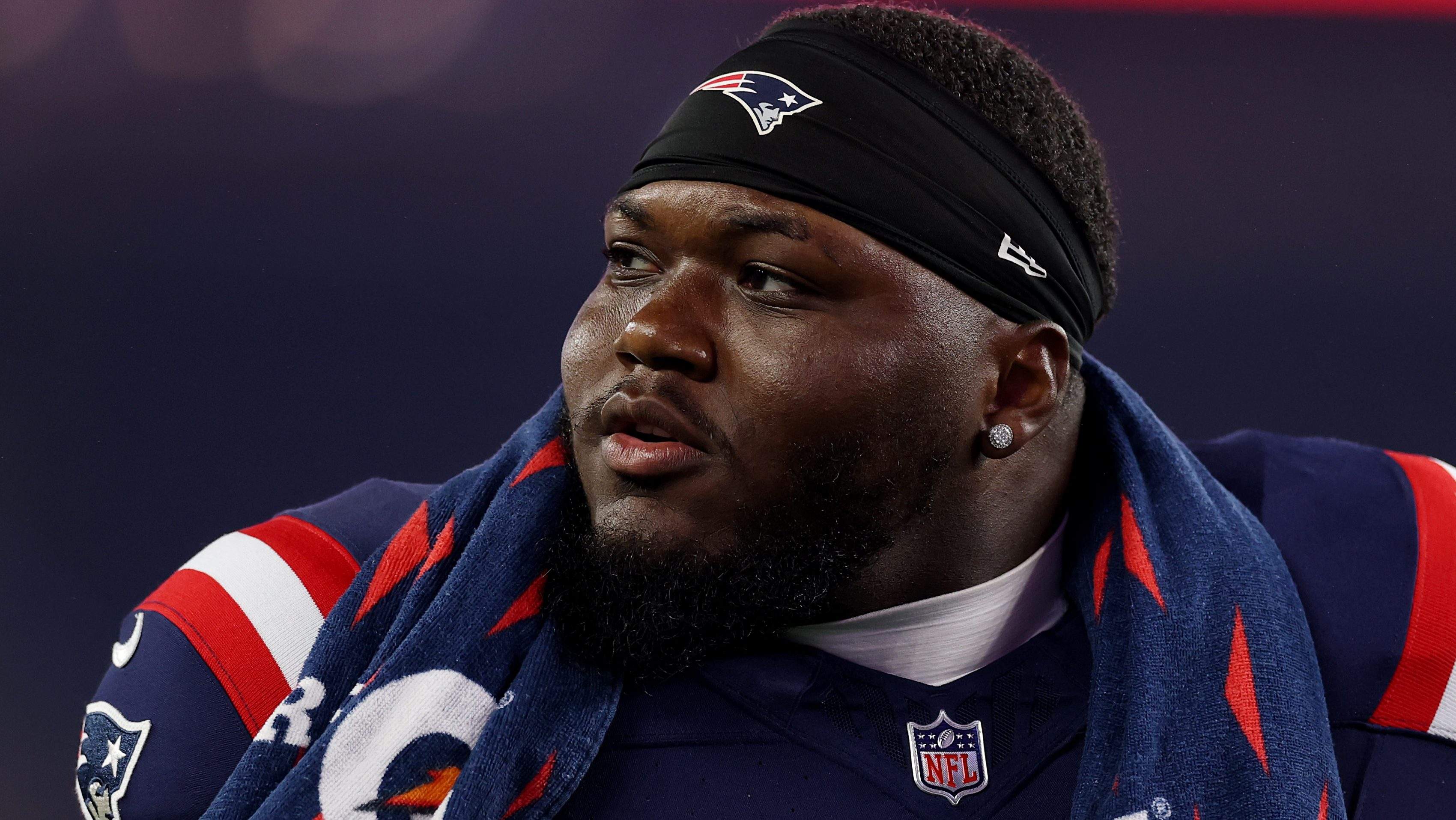
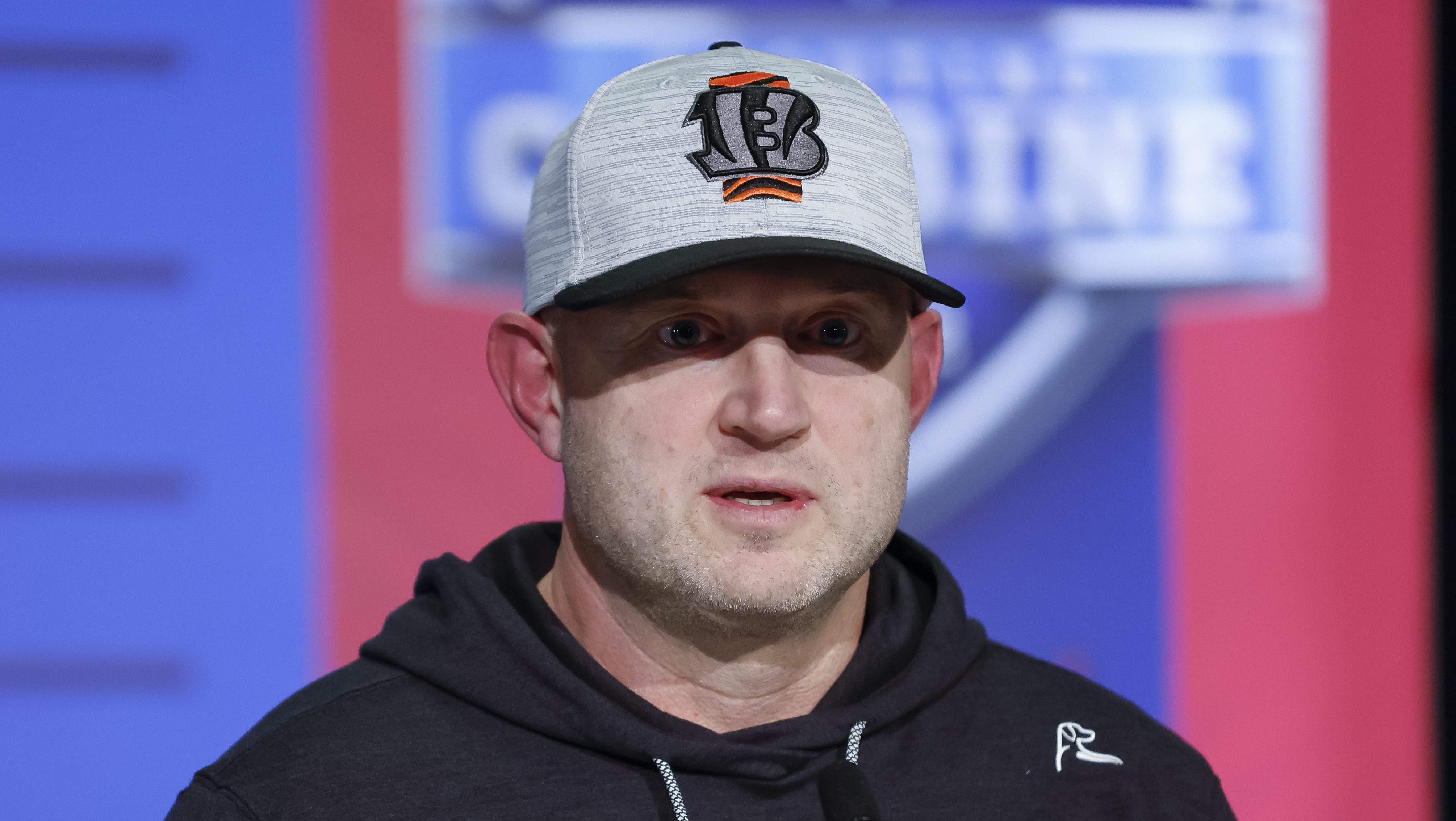
The proposal centers on Marlon Humphrey, a two-time All-Pro at cornerback, and a potential move to the Dallas Cowboys in exchange for quarterback Joe Milton III, who is currently vying to carve out a clearer role behind the Cowboys’ presumptive starter. Humphrey, who signed a five-year extension in October 2020, is scheduled to earn a substantial $19.25 million in 2026, the final season of that deal. The financial implications of moving a player with that kind of cap hit are a central part of evaluating any trade scenario.
One prominent NFL analyst has floated the idea that Cowboys owner Jerry Jones has been eyeing ways to elevate the club’s defensive production in the lead-up to the season. The focal point of the suggested deal is Humphrey’s versatility, including the possibility of using him outside, in the slot, or even as a hybrid safety in big nickel packages. The thinking behind such a move is to align the defense with the club’s recent draft selections and overall strategic direction, potentially integrating a high-profile veteran with a young, developing group.
On the quarterback side, the Milton/Howell dynamic has been a topic of intrigue as teams position themselves for future stability behind their starting signal-caller. Joe Milton III, who joined the Cowboys after a trade from another organization, has been described as a quarterback with a powerful arm and growing familiarity with the Cowboys’ system. In limited regular-season action, Milton completed a portion of his passes and showed flashes of arm strength. However, the broader question remains whether he can develop consistency and decision-making needed to function as a reliable No. 2 option behind the incumbent starter.
Milton’s journey began when he was selected in the later rounds of the 2024 NFL draft by the New England Patriots. The same draft class also included other notable quarterback prospects who drew attention for their potential. Since entering the league, Milton has had opportunities to learn and adapt within the Cowboys’ framework, with coaching and scheme design playing a critical role in how quickly he translates raw tools into dependable production.
In the Cowboys’ case, the organization has often benefited from a straightforward approach when Milton is on the field. Observers have noted that Milton tends to perform at his best when the coaching staff emphasizes simplicity and progression-based throws, allowing him to gain rhythm without overcomplicating his reads. The balance between leveraging his arm strength and protecting against turnovers is part of what has defined his early career trajectory.
As with any hypothetical trade, several factors would shape whether such a trade would ever become reality. The financial component is a significant hurdle: taking on Humphrey’s $15 million base salary in addition to signing bonuses and cap charges would need to be carefully weighed against the club’s cap situation and long-term plans. For the Ravens, parting with a cornerstone defender would require compelling compensation and a clear strategy for how the defense would compensate for that loss. For the Cowboys, absorbing a high-cost veteran would require confidence that Humphrey could transition smoothly into their defensive model and contribute immediately, while also ensuring the franchise’s flexibility for future moves.
Beyond the financials, the fit deserves close examination. Humphrey’s experience and versatility could be valuable assets in a defense that’s always looking to maximize mismatches and leverage elite playmaking ability at cornerback. The question is whether the Cowboys’ current group—complemented by the draft class and veteran leadership—would benefit more from the veteran’s skill set, or whether maintaining existing depth and cashing in on Milton’s development potential would serve the club better in the short and long term.
For fans and analysts following these speculative scenarios, the exercise underscores a broader theme in team-building: balancing immediate competitive windows with long-term roster sustainability. A trade involving a high-priced veteran cornerback and a young quarterback in a development phase would require a careful calculus of on-field impact, financial structure, and developmental timelines.
Ultimately, as discussions of trades circulate during the football calendar, teams weigh whether a proposed move aligns with their tactical identity, cap discipline, and the trajectory of their quarterback room. While the allure of dramatic, headline-grabbing moves can be strong, most teams proceed only when the anticipated return justifies the risk and disruption to established plans.
If you’re following the evolving storylines surrounding the Cowboys and Ravens, it’s worth monitoring how each organization prioritizes defense, quarterback depth, and financial commitments as the season approaches. With a league-wide emphasis on fast, adaptable rosters and reliable quarterback play, the decisions made in the coming months will shape both teams’ fortunes in the near term and beyond.