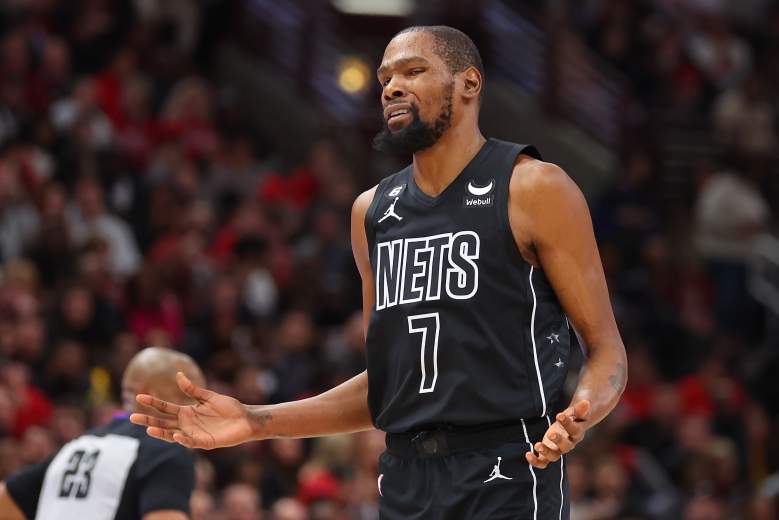
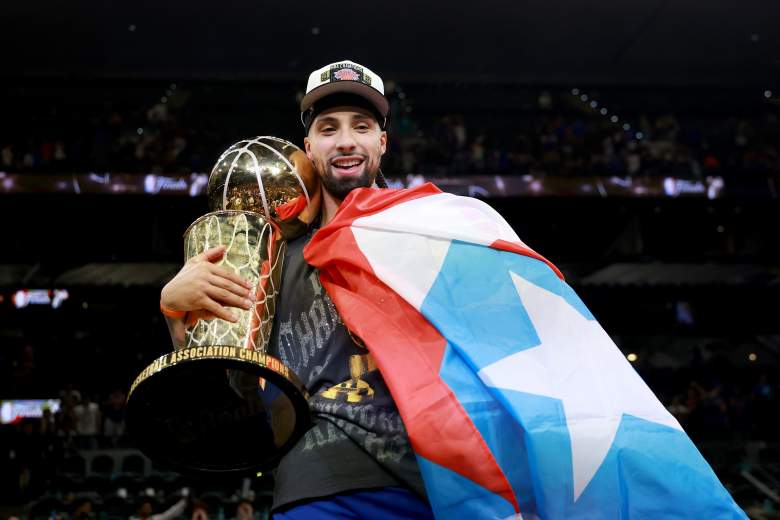
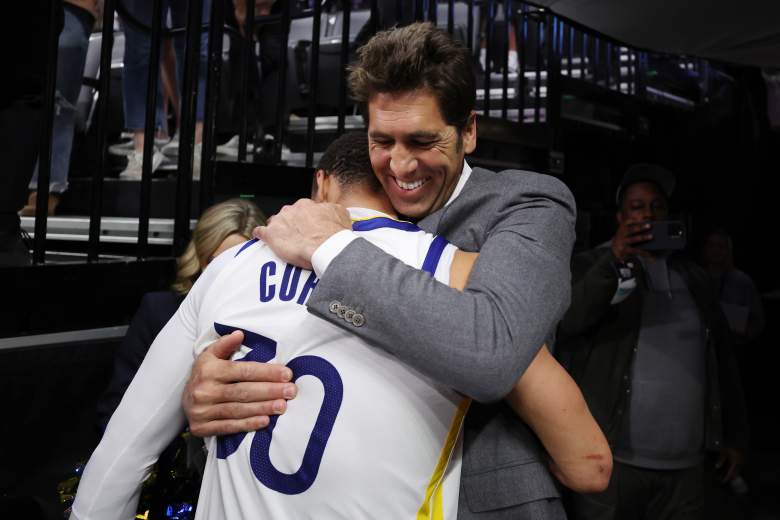
In a recent outlook, Golden State was viewed as the team most likely to make a major move, receiving the top score among contenders. The assessment reflected the team’s current realities: Curry turns 39 in March, the roster carries injury concerns, and another quiet year would compound an issue the franchise cannot afford to ignore.
The Warriors are coming off what was described as a second losing season in 14 years. Notable departures included Giannis Antetokounmpo and LeBron James pursuing opportunities elsewhere, which left the team without a transformative offseason addition. In terms of new faces, reinforcements came in the form of Brandon Williams and Georges Niang, but neither address the core issue: a wing rotation that is missing two critical pieces.
Injury problems at the wing position have intensified pressure on the team’s depth chart, particularly with young guards and wings stepping into larger roles. Rookie Yaxel Lendeborg, the No. 11 pick, could receive a considerable opportunity, but relying on a first-year player to replace established veterans’ production would be risky. The Warriors need multiple players to contribute meaningful minutes on the wing, not just one rookie stepping up.
The early portion of the schedule will reveal how much the remaining rotation can absorb and whether general manager Mike Dunleavy Jr. can afford to wait until the trade deadline. With Jimmy Butler recovering from an ACL injury and Moses Moody rehabbing a left patellar tendon rupture, Golden State is entering the season with uncertainties in experienced perimeter play. That increases the urgency for dependable wing depth and two-way impact from multiple players, rather than a single acquisition.
There has been speculation about potential trade pathways. One suggested route involves flipping an expiring contract and accompanying assets for a star, or building a more modest deal around a center-piece like Kristaps Porziņis. While such ideas have circulated, there has been no confirmed pursuit, and the exact targets or contingencies remain unclear. Butler’s current injury status also clouds the viability and timing of any potential deal.
Historically, the franchise has proven capable of dramatic midseason moves that alter a stagnating season. A notable past example shows how a single strategic transaction can re-energize a competitive run. Achieving a similar turnaround this time would require more than willingness to deal; it would demand finding an available player who directly addresses the team’s weaknesses, a workable price to pay, and enough remaining talent to support Curry.
For now, the onus falls on Lendeborg and the healthy veterans to keep the team competitive enough that a February addition could make a meaningful impact. The trade landscape at this stage offers possible directions, but until a concrete deal materializes, Curry and a thinner supporting cast will need to navigate the regular-season schedule with the hope that the right opportunity presents itself at the deadline.
In summary, Golden State faces a balancing act: shore up wing depth and two-way versatility while maintaining enough flexibility and talent to contend around Curry. The coming weeks are critical for shaping how the roster evolves and whether a bold move materializes to reset the franchise’s championship trajectory.