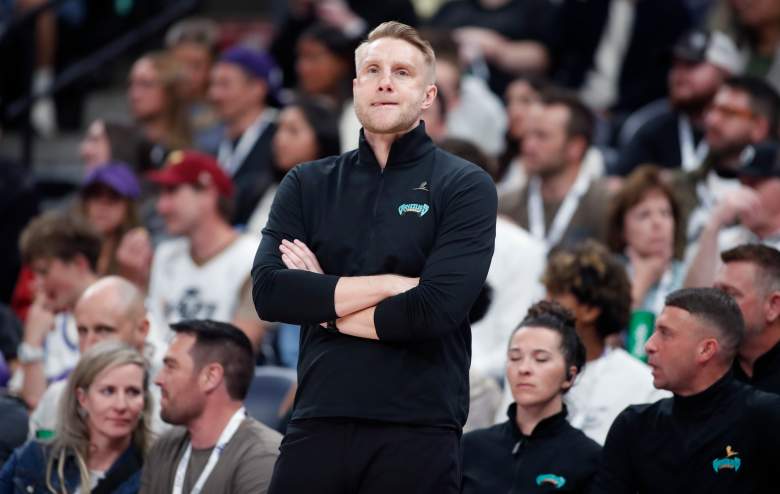
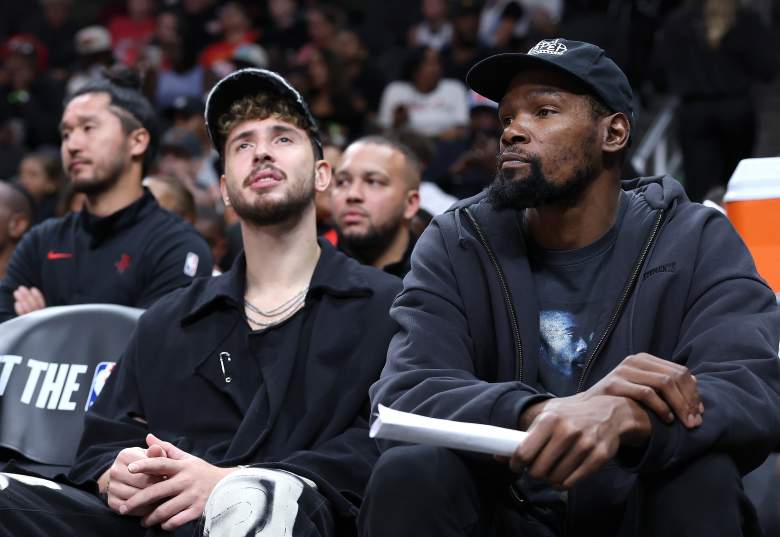
During his tenure with the Warriors, Myers confronted several difficult decisions. One decision, in particular, stands out as a defining moment of his time in the front office. He described the challenge of trading Andre Iguodala, a veteran who had helped the organization win three championships. The decision was tied to the team’s long-term needs: to sign D’Angelo Russell and recalibrate the roster for future success. Myers recalled the moment as one of the most professionally challenging of his career, highlighting the complexity of balancing business imperatives with the human side of the game. He acknowledged that, while the business side of basketball is often out of a decision-maker’s control, the relationships he built with players were what he missed most.
Trading Iguodala was identified by Myers as the toughest decision he faced. Iguodala’s journey after leaving the Warriors included stints with the Memphis Grizzlies and the Miami Heat, culminating in a return to Golden State for another championship in 2022. This sequence underscored the unpredictable nature of player movement and the challenges of roster management. Myers noted that, despite the trade, the core Warriors team continued to pursue championships, with Iguodala’s professional approach helping to ease the transition.
The timing of the Iguodala trade coincided with other seismic shifts in the franchise. Around the same period, Kevin Durant left Golden State to join the Brooklyn Nets, a move that altered the balance of power in the league. In response, Myers orchestrated a sign-and-trade that brought back Russell, a player coming off an All-Star season, in an attempt to maintain competitiveness. While Russell’s fit within the Warriors’ system presented adjustments, the strategic move ultimately yielded long-term benefits when Golden State traded Russell for Andrew Wiggins. Wiggins contributed significantly to Warriors’ continued success, including another NBA championship.
Beyond the business elements, Myers emphasized the personal dimension of leadership in the NBA. He spoke about the emotional impact of relinquishing a loyal contributor in Iguodala’s case, stressing that his perspective on the decision evolved as he reflected on the long-range goals of the franchise. Iguodala responded with professionalism, maintaining strong relationships and continuing to pursue high levels of play, including a later Finals run with Jimmy Butler joining him in Miami. Iguodala’s willingness to embrace new opportunities without bearing a grudge highlighted a broader lesson about leadership, adaptability, and the value of maintaining open lines of communication with players.
As the league continues to evolve, the Warriors’ front office remains focused on balancing immediate competitiveness with sustainable success. The period of transition following Myers’ departure serves as a reminder of the intricate dynamics that shape a championship-caliber franchise: the necessity to make bold, sometimes painful, decisions in service of a longer-term plan, and the importance of preserving relational integrity with players who help define a team’s culture.
This analysis underscores a central theme in modern professional sports: the tension between business strategy and personal connection. For the Warriors, the combination of smart roster moves, strategic trades, and the resilience of a championship roster demonstrates how a franchise can navigate uncertainty while maintaining a clear sense of direction. The ongoing story of Golden State’s management choices illustrates that in the NBA, success is as much about adapting to change and building trust as it is about skilled execution on the court.