Analysts have noted that the Bucks collected a substantial assortment of lottery-ticket assets that could eventually help them assemble a new contending core in the years ahead. While they may not have extracted the maximum possible return had the trade occurred earlier when Antetokounmpo was at peak value, the Bucks appear to have maximized their situation given the circumstances. Trading the franchise’s best player in history is bound to sting in the short term, but the long-term outlook could improve if the assets yield future stars or additional draft picks.
Time to consider other potential moves: is Tyler Herro a candidate to be moved again? At 26, Herro is entering a prime window and may not be an ideal fit for a Milwaukee club that is rebuilding. Conversely, teams like Boston could be looking to supplement star power after recent offseason movements. A hypothetical trade scenario has circulated wherein the Bucks could exchange Herro for veteran guard Derrick White, rising wing Baylor Scheierman, and a 2032 first-round pick, with Boston receiving Herro in return.
In this proposed framework, the Bucks gain a veteran floor general and a versatile youngster, keeping a large volume of draft capital that could be leveraged in future deals. Milwaukee could potentially flip White for additional picks, continuing the rebuild while laying a foundation for future contention. For Boston, acquiring a scoring engine to pair with stars like Jayson Tatum and Paul George would create a dynamic backcourt with Payton Pritchard and Herro contributing off the ball and as secondary playmakers. The salary fits neatly in this arrangement, strengthening the trade’s viability.
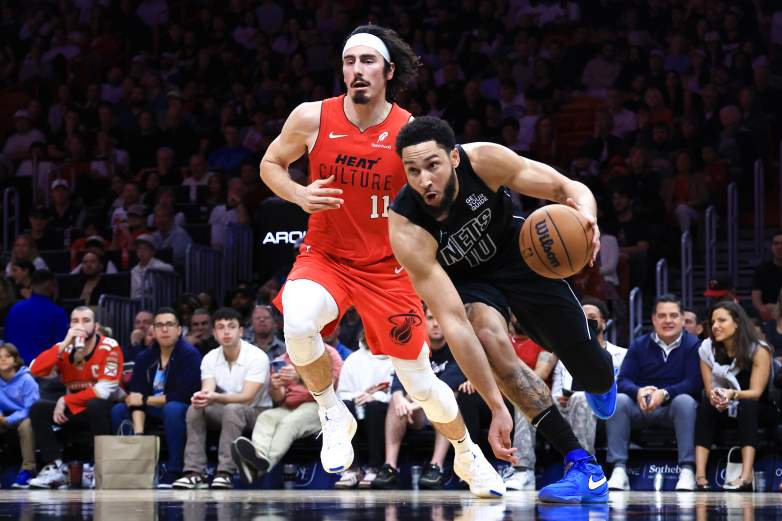
Trade chatter around Herro has intensified in the wake of the broader roster reshaping. Milwaukee has incentives to move Herro this offseason, though it remains to be seen whether they will pull the trigger. Herro has expressed a positive mindset about embracing a fresh start, acknowledging the new slate, team, organization, and coaching staff. He has emphasized the collective chip on the shoulder shared by the team’s newcomers, suggesting a united drive to prove themselves.
Last season with the Heat, Herro averaged roughly 20 points, 4.8 rebounds, and 4.1 assists per game while shooting around 48% from the field and 38% from three-point range. If he lands with a contender, his scoring and playmaking could still make a significant impact.
As the Bucks navigate this rebuild, the focus will be on how to maximize draft capital and identify foundational pieces that complement a future contending core. The market is active, and Milwaukee’s front office will need to weigh whether trading Herro or pursuing other veteran additions now could accelerate the timeline toward sustained excellence. The coming weeks and months will reveal how Milwaukee transforms the collected assets into a coherent plan for returning to Championship contention.