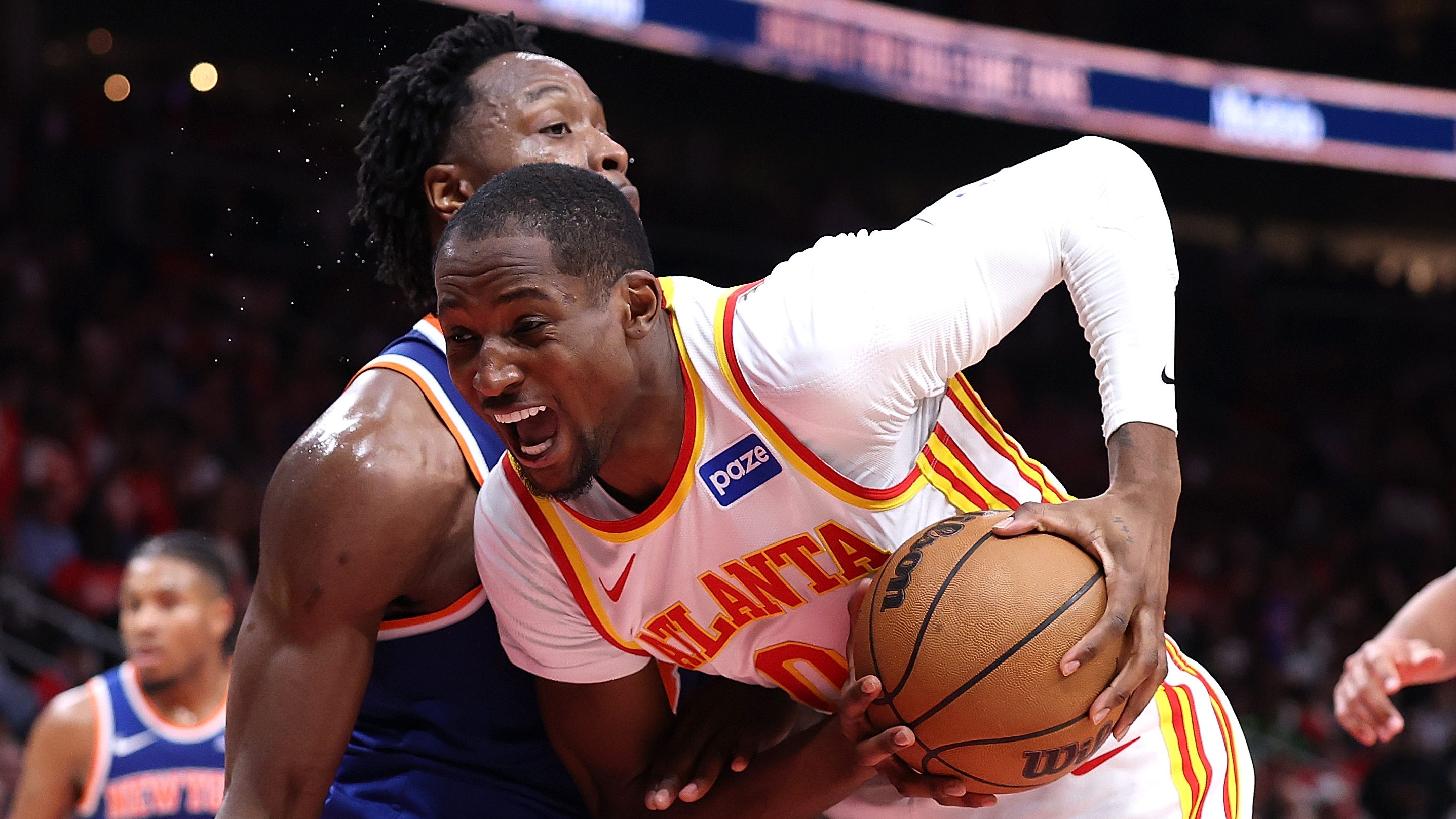
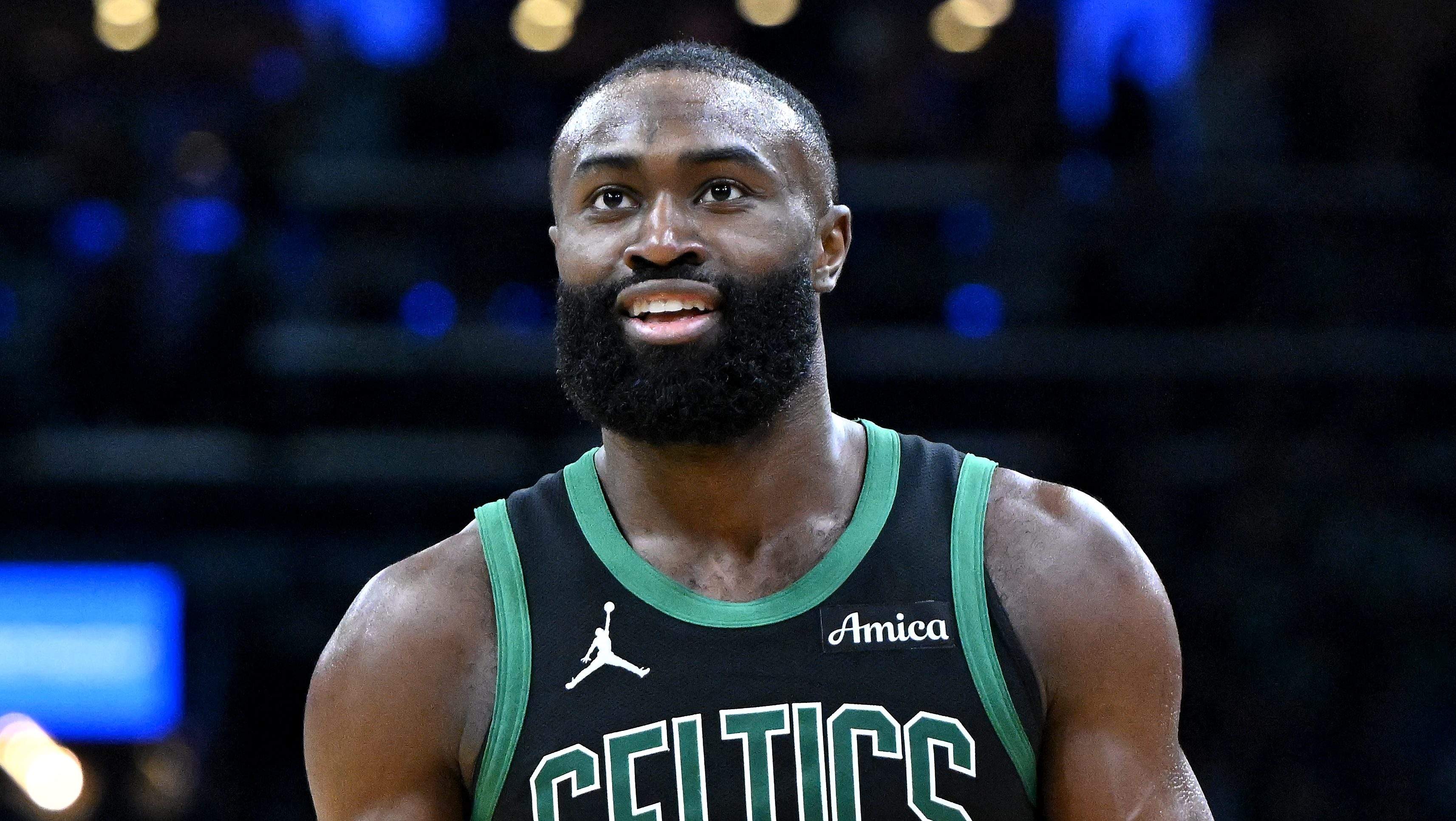
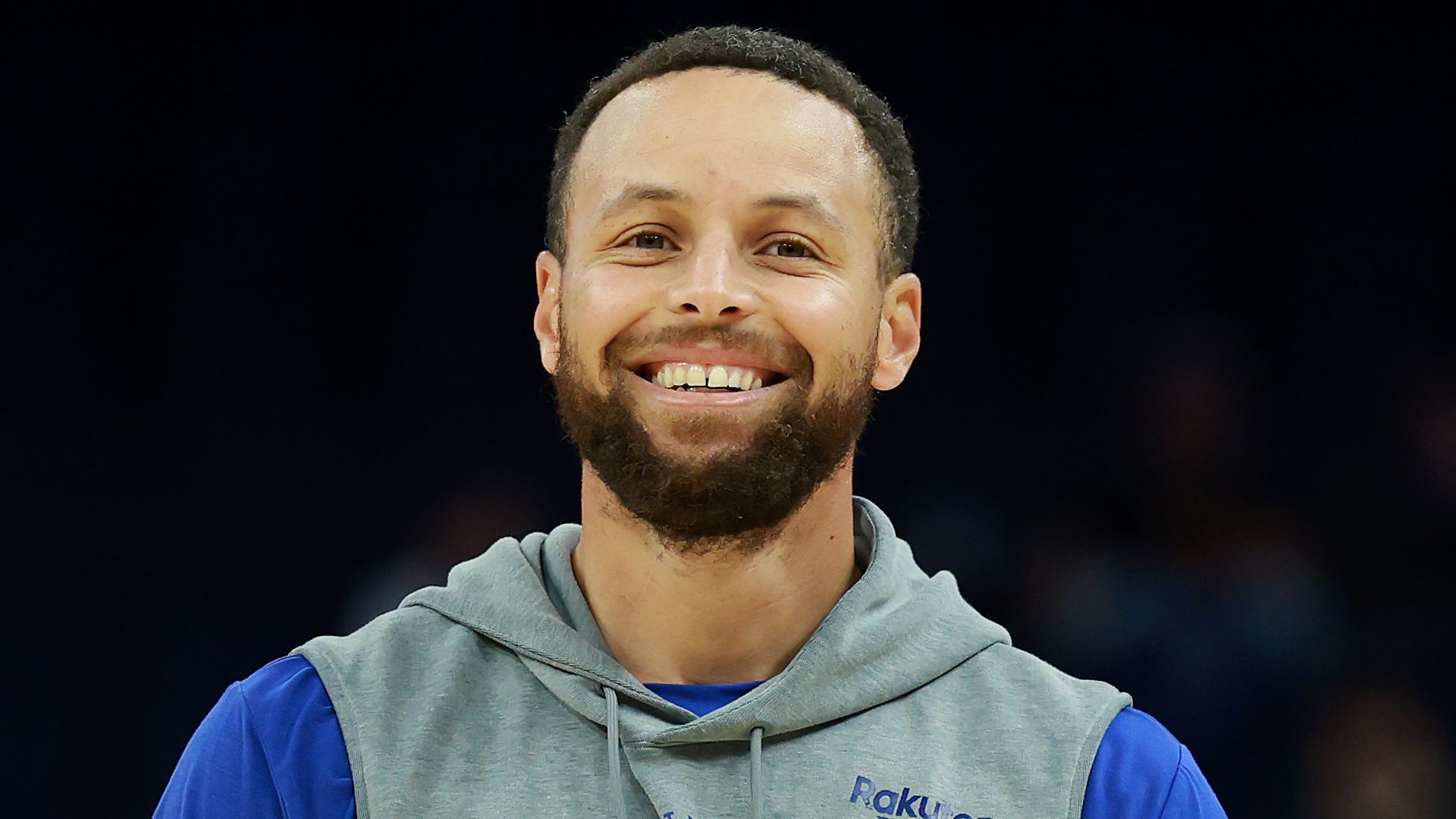
That Instagram note, while brief, kept the door open for the possibility of a return to the NBA. It signaled that Valanciunas was not ready to commit to a European destination and left room for speculation about what he could bring to an NBA team in need of a versatile big man. For the Knicks, a club that valued Valanciunas for his size, experience, and ability to space the floor, such a development would be noteworthy because it would preserve a potential path to reinforcing their frontcourt behind starter Mitchell Robinson.
In recent months, Valanciunas had drawn attention as a potential upgrade or alternative to traditional backup roles in the center position. His experience, which includes a productive stretch with multiple teams, offered a combination of scoring, rebounding, and physical presence in the paint that teams often seek when building a deep frontcourt. The question, of course, was whether he would pursue a return to the NBA and, if so, which team would present the best path to meaningful minutes and postseason implications.
From a team-building perspective, the Knicks faced a series of decisions about how to shape their center rotation. The departure of Mitchell Robinson in free agency had left a void in interior defense and rebounding, and the organization subsequently pursued options to complement the roster’s existing talents. Andre Drummond was brought in to anchor the defensive glass and provide a veteran presence, while the Knicks explored other avenues to add depth behind him. Valanciunas, with his combination of size and experience, would have offered a credible alternative path—one that could create competition for minutes and potentially unlock a more balanced lineup in certain matchups.
Valanciunas’ recent career arc included stints with various NBA franchises, highlighted by his established skill set: reliable scoring around the basket, a solid offensive board presence, and the ability to be productive in pick-and-roll schemes. On the other hand, his contract considerations, including non-guaranteed salary components in certain seasons, have influenced team decisions about roster construction and cap management. When a veteran player with a long NBA résumé becomes available, front-office executives weigh the value of immediate contributions against long-term plans and financial flexibility.
For the Knicks, the ongoing assessment of center depth remains a focal point as they prepare for the upcoming season. If Valanciunas had joined the roster, he would have been positioned to compete with Drummond for minutes and to provide a trusted option off the bench. The dynamic between a season’s worth of collaborative development and the need for consistent, high-quality interior production is a central consideration for any team evaluating its frontcourt strategy.
Ultimately, the latest updates suggested that Valanciunas’ next move could still hinge on a number of factors beyond the initial reports. The veteran center’s decision will likely consider playing time, role fit, and potential postseason impact—elements that are often decisive for players at this stage of their careers. Meanwhile, the Knicks continue to evaluate options to ensure their frontcourt is capable of delivering on both ends of the floor, with a focus on durability, versatility, and the ability to contribute to sustained success.
As the season approaches, all eyes will be on how the Knicks structure their center rotation and who ultimately earns key minutes behind the starting lineup. The search for reliable depth at the five position remains a priority, and Valanciunas’ situation serves as a reminder of how fluid the free-agent market can be, especially for veteran players weighing NBA opportunities against lucrative European contracts.
Note: This article presents a synthesis of developments without referencing specific publisher sources. It reflects the broader context of the NBA free-agent market and the considerations that teams weigh when constructing a championship-contending roster.