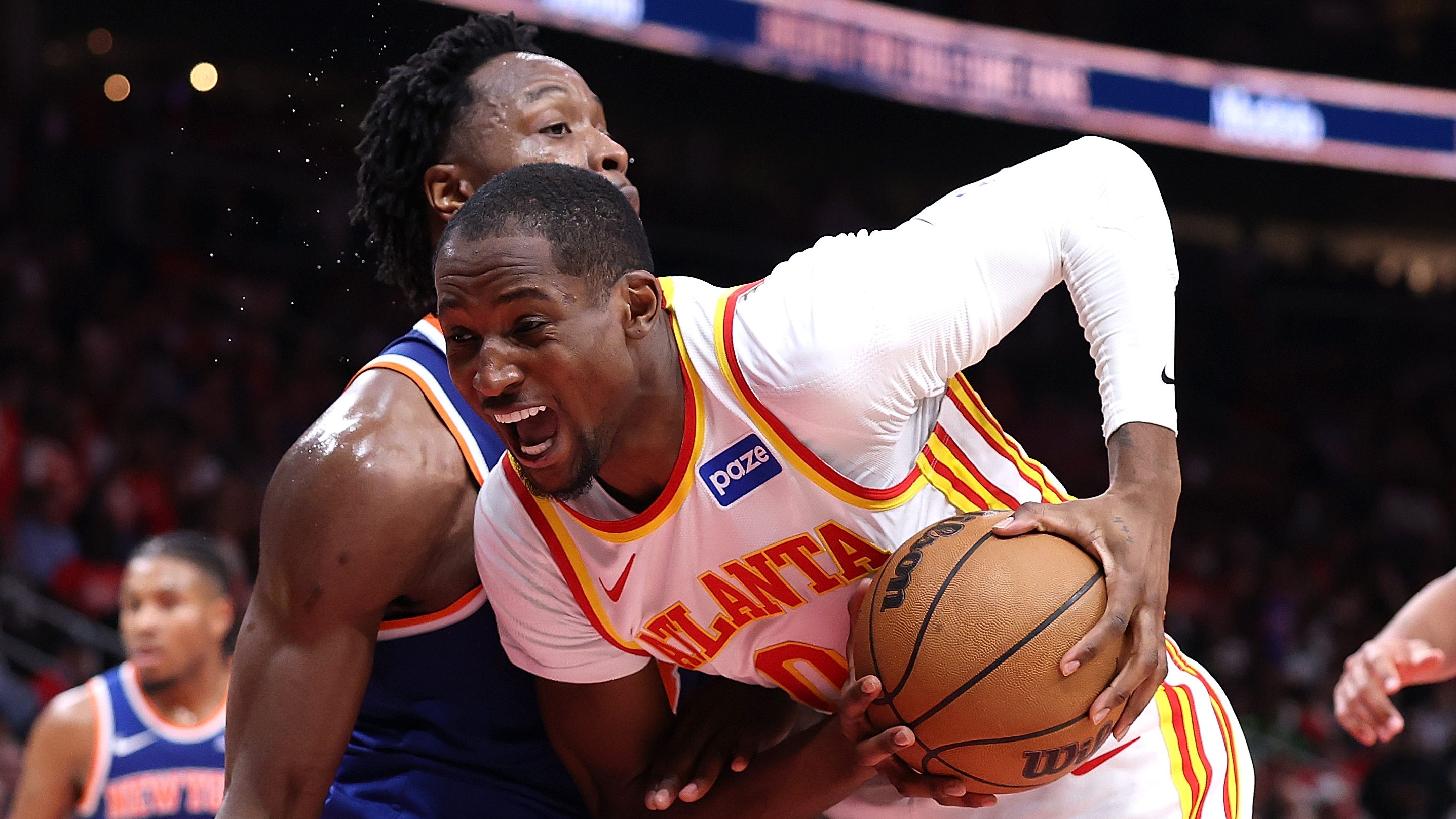
To fill the void, the Knicks pursued an experienced option in Andre Drummond. Drummond, a veteran center who has logged 14 NBA seasons, entered the signing period with a reputation for elite rebounding and a solid inside presence. The front office described the goal as maintaining stability at the position while exploring how Drummond could complement the younger core, particularly in tandem with a floor-stretching big recently added to the roster.
In a roundup of the Knicks’ free-agent activity, Drummond’s addition drew considerable attention. Analysts noted that while his rebounding prowess remains a reliable asset, there could be trade-offs in other areas. Specifically, some evaluators pointed to potential declines in on-ball defense, rim finishing, and overall physicality compared with Robinson’s sustained impact in those departments. The central question became whether Drummond could deliver approximately half of Robinson’s production at a fraction of the cost, while also contributing in ways Robinson wasn’t known to.
Drummond joined the Knicks on a one-year contract reported to be in the range of a few million dollars. This is notably less than the value of Robinson’s previous contract, which reflected the market for a player who had established himself as a high-level contributor within a system that values postseason-ready depth. The financial difference underscores a strategic bet by the Knicks: upgrade depth while preserving cap flexibility and a shorter commitment if outcomes don’t align with expectations.
On paper, Drummond has remained a productive player into his early 30s. He has two All-Star selections on his résumé from his Detroit days, a period during which he anchored a frontcourt and provided a reliable inside presence. Since then, his career has included stints with the Chicago Bulls and the Philadelphia 76ers, where he often functioned as a reserve center. In the 2025-2026 season, Drummond averaged roughly 6.4 points and 8.4 rebounds per game, with a modest scoring range that included the occasional outside shot. His perimeter attempts increased compared to his earlier years, connecting on a notable percentage from three-point range for a big man, and he averaged about 1.4 attempts from beyond the arc per game. These attributes could be appealing for a Knicks squad that values versatile bigs capable of spacing the floor during certain lineups.
Despite these developments, the comparison between Drummond and Robinson remains nuanced. Robinson established himself as an efficient scorer and a defensive presence, contributing value beyond the box score through his energy, shot-blocking timing, and positional discipline. Drummond’s strengths lie in his rebounding, playmaking touches in secondary action, and the potential to diversify the team’s lineup with improved range. The real-world impact will hinge on how coach(es) deploy Drummond alongside Towns and the rest of the rotation, especially in lineups designed to maximize spacing and defensive cohesion.
From a strategic standpoint, the Knicks’ plan appears to center on leveraging Drummond as a true reserve option who can spell Towns without sacrificing tactical spacing. This approach allows for different lineup configurations, including combinations that emphasize ball movement and cutting action in half-court sets, as well as quick transition opportunities. If Drummond can maintain steady defense around the rim while improving his ability to extend his shooting range, he could become a viable complement to Towns and the surrounding wing players.
For fans assessing the move, the key questions are practical: Can Drummond maintain or exceed the impact Robinson provided in rebounding and interior defense, while offering added shooting range? Will the Knicks’ system unlock Drummond’s strengths, or will he require adjustments to flourish alongside Towns and the other talented pieces on the roster? These considerations will shape early-season evaluations and may influence how the team navigates the playoffs race.
In sum, the signing of a 14-year NBA veteran at a modest one-year rate signals a cautious, cost-conscious approach to retooling the interior. The Knicks are banking on Drummond delivering steady production, veteran leadership, and an expanded skill set that could help offset Robinson’s loss while preserving financial flexibility for the future. As the season unfolds, performance data and on-court chemistry will determine whether this move represents a downshift or a strategic upgrade for the team’s frontcourt depth.