Trade proposal overview
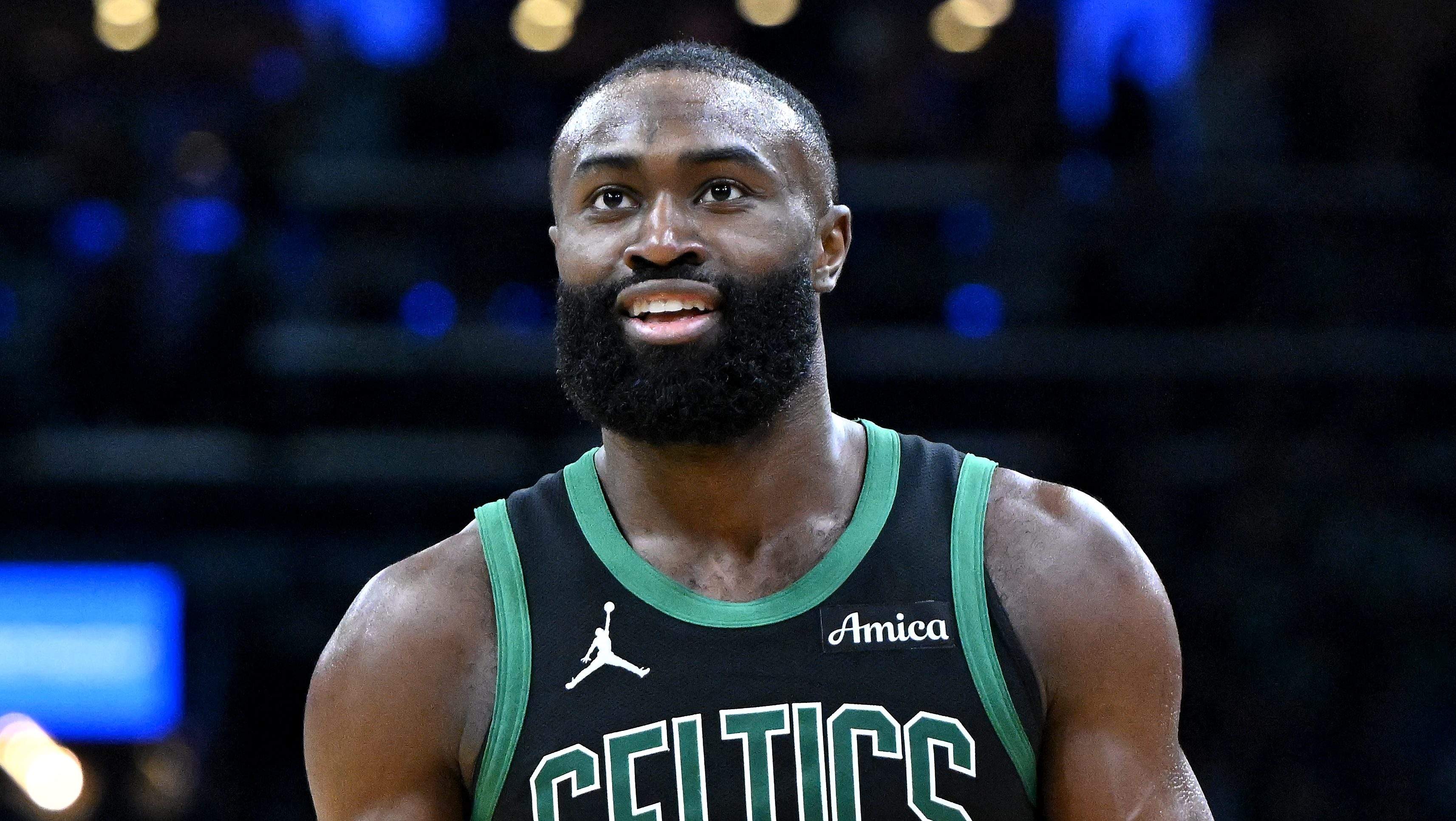
– Celtics would receive: Cason Wallace via TPE
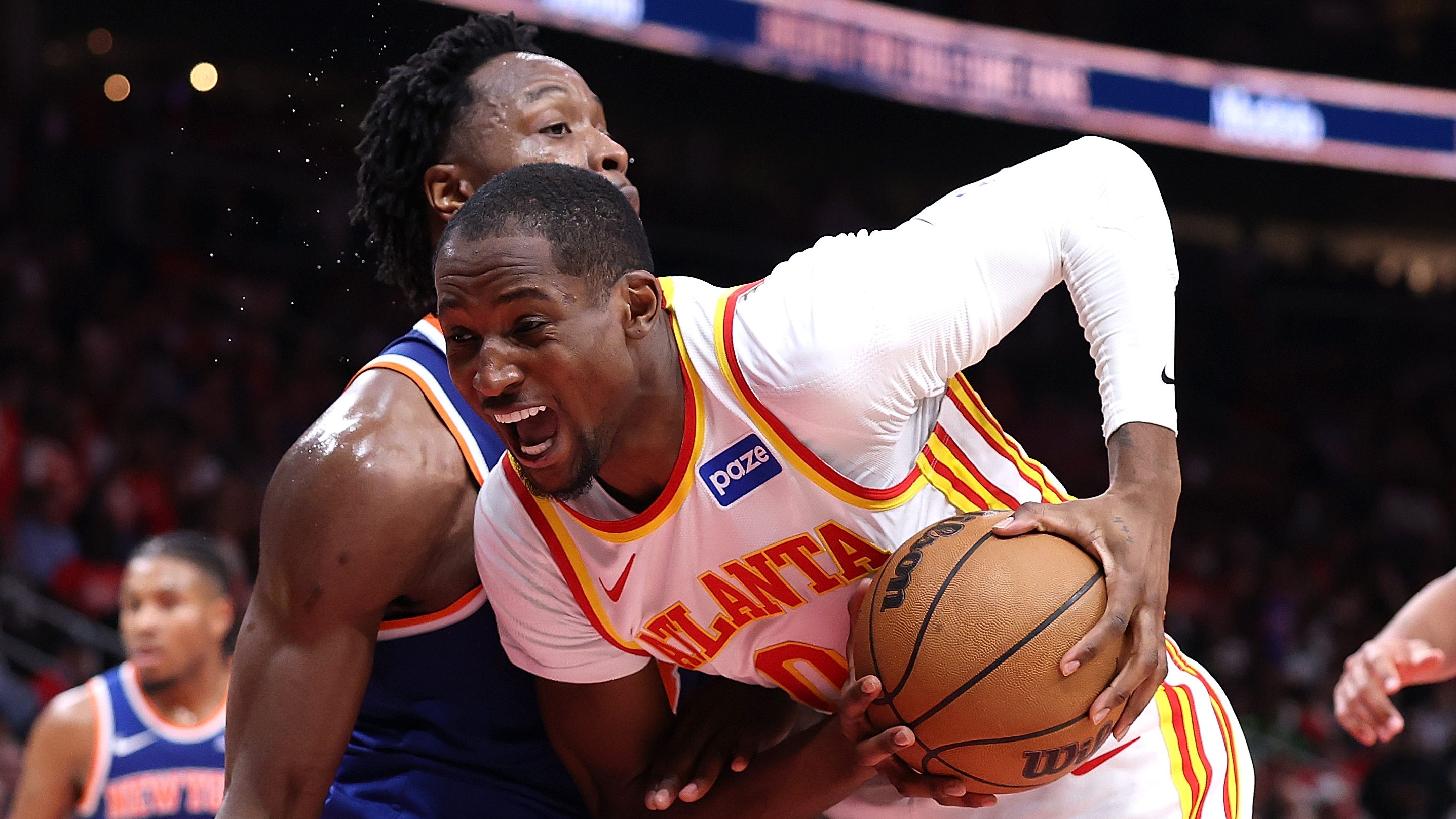
– Bucks would receive: Luguentz Dort via TPE and a 2030 second-round pick (via Charlotte)
– Thunder would receive: Sam Hauser
Rationale for the Celtics
The Celtics have a built-in financial framework that limits how much they can add under the first apron of the luxury tax, effectively restricting them to a portion of their $27.7 million Traded Player Exception. This constraint makes a young, affordable guard like Cason Wallace an appealing target because he could slot into the backcourt without exceeding the cap threshold.
Wallace, a 22-year-old prospect, has shown enough development to be viewed as a potential long-term building block. His rumored status as an unrestricted option in the near term makes him an attractive candidate for a team looking to add a high-value, two-way guard who can contribute immediately while continuing to develop. If the Celtics prioritize defensive versatility and credible outside shooting, Wallace could fit well within Joe Mazzulla’s system, which emphasizes perimeter defense and timely three-point shooting.
On defense, a backcourt pairing of Derrick White and Cason Wallace would be formidable, particularly in a conference featuring dynamic guards. Wallace’s emergence as a reliable long-range shooter complements a scheme designed to generate 45-plus three-pointers per game, pairing well with the Celtics’ modern emphasis on pace, spacing, and defensive switching. In the playoffs, Wallace demonstrated the capacity to contribute efficient spacing with a shooting stroke that can extend the floor, while White provides established leadership and on-ball disruption. A starting unit featuring White, Wallace, Paul George, Jayson Tatum, and Mitchell Robinson would provide a versatile lineup capable of remaining among the league’s elite in defensive metrics.
Why the Thunder would accept the deal
The Thunder’s motivation centers on financial flexibility and structural recalibration. The team has already exercised substantial salary adjustments, moving players to reduce payroll and avoid the second luxury-tax apron. The primary objective is to maneuver under the second apron by shedding expiring contracts, notably Dort’s $17.7 million expiring deal, and using the resulting cap relief to realign the roster around its core youth and added assets.
From a strategic standpoint, transferring Dort’s expiring salary could create the financial margin needed to stay competitive while avoiding the tax penalties associated with the second apron. Adding a veteran presence via Sam Hauser could supply shooting and spacing to a playoff-caliber rotation while the Thunder continue their rebuilding arc with young talent and future draft capital.
Why the Bucks would embrace the trade
Milwaukee would gain a veteran presence who can anchor the locker room and contribute to the team’s ongoing development cycle. Dort brings perimeter defense, pace, and shot-making that can complement a core featuring established stars and rising talents. The Bucks’ flexibility under the current cap environment would allow them to absorb Dort’s contract while maintaining room to operate under the luxury-tax threshold.
The potential for long-term fit is strengthened by Dort’s expiring deal, which presents an opportunity to reallocate resources toward other needs as the roster evolves. The move would not require surrendering core prospects, allowing the Bucks to balance immediate impact with future flexibility as they pursue continued success.
Strategic considerations
– Cap implications: The Celtics’ first apron restrictions necessitate a deal that stays within their available TPE usage. The acquisition of Wallace would be a pragmatic, cost-controlled upgrade with significant upside.
– Fit and development: Wallace’s skill set aligns with a modern two-way guard profile. In a defensive system anchored by White, the addition of Wallace could preserve elite team defense while expanding ball-handling and playmaking options.
– Youth and upside: The proposed trade injects a 22-year-old with room to grow, offering a tangible long-term asset for the Celtics as they navigate a competitive Eastern Conference.
Overall, the proposed arrangement aims to strengthen the Celtics’ defense and shooting while maintaining financial prudence. By pairing Wallace with White in the backcourt, Boston could sustain elite defensive pressure and create more versatile lineups across multiple playoff rotations. The Thunder’s payroll considerations, the Bucks’ need for veteran leadership and defensive grit, and the Celtics’ strategic cap management converge in a scenario that could recalibrate the dynamics of three teams within a single, transformative move.
Note: This rewritten version presents a standalone analysis of a hypothetical trade scenario, focusing on strategic fit, defensive impact, and financial considerations without referencing or citing original sources.