Proposed trade details
– Bruins receive: Alexander Nikishin
– Hurricanes receive: Matthew Poitras, Mason Lohrei, and the Toronto Maple Leafs’ 2027 first-round pick (which would convey in 2027 or 2028)
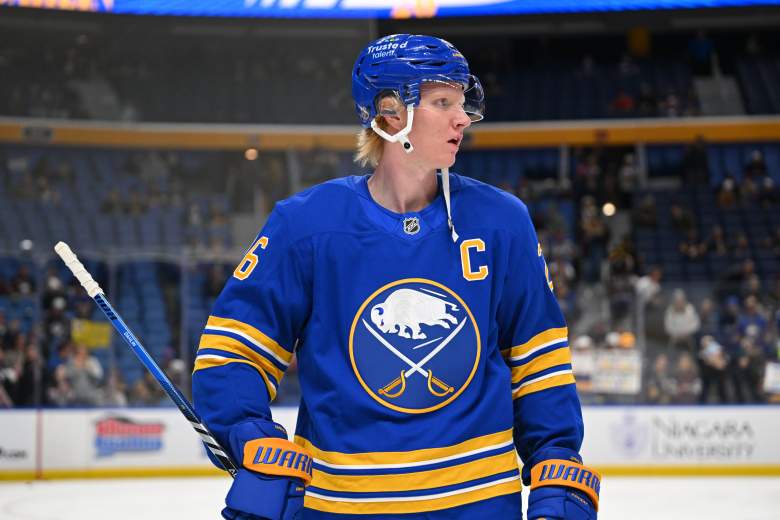
In this scenario, Boston would land Nikishin, a 24-year-old defenseman who accrued 33 points (11 goals, 22 assists) in 81 games during his rookie season. Nikishin is a restricted free agent entering a market that could push his value upward, and he has helped the Hurricanes secure a Stanley Cup championship recently. His size, skating ability, and two-way game could bolster Boston’s top-four defensive group and add some much-needed offense from the back end.
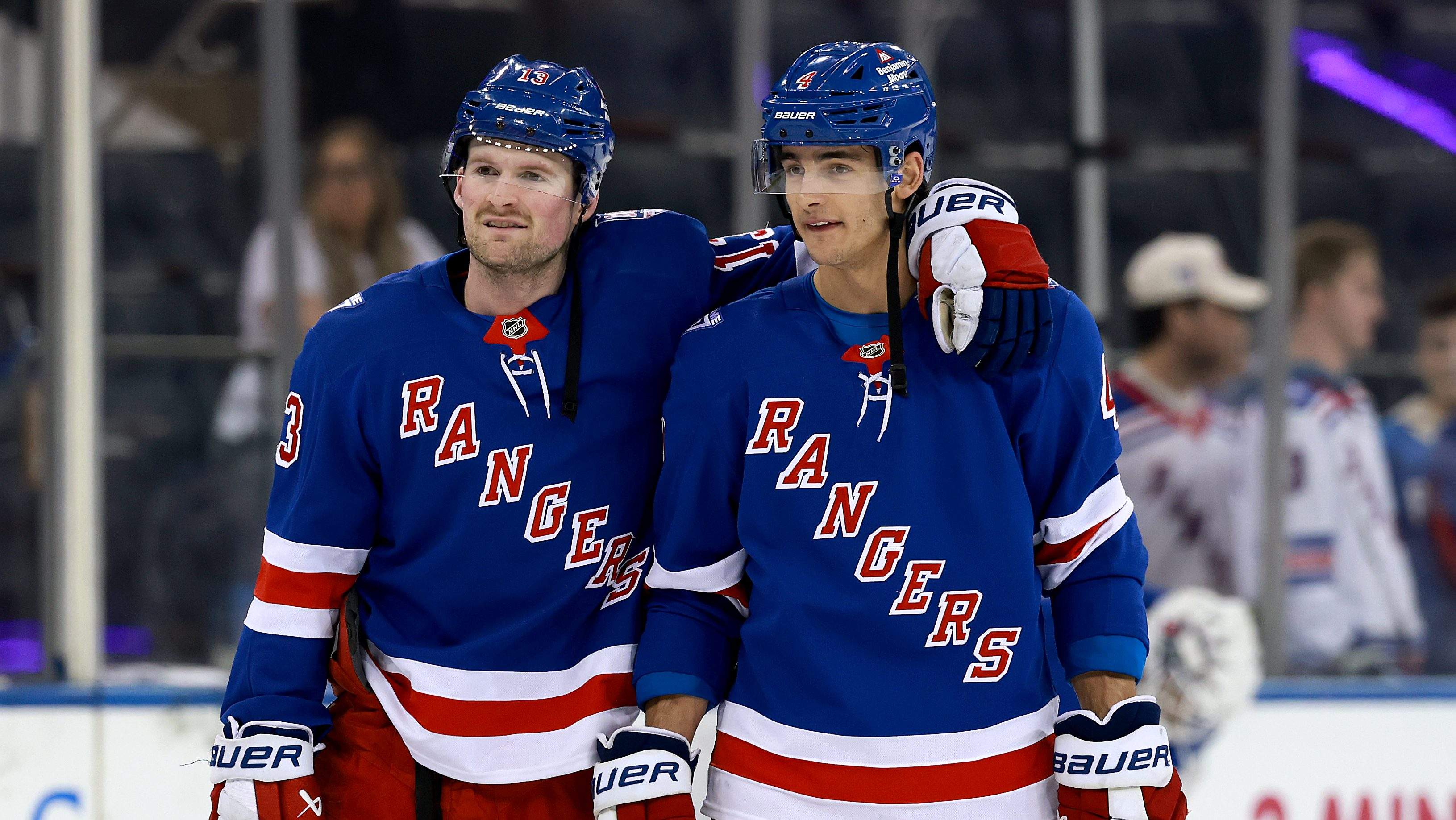
The return package centers around two notable Bruins prospects plus a high-end draft asset. Poitras, a 22-year-old right-shot forward who played sparingly last season, represents a potential future contributor who could inject youth and speed into the Hurricanes’ lineup. While Poitras is an RFA, his limited NHL exposure last season—only three games—suggests a potential fresh start could unlock his development. His upside as a bottom-six forward who can contribute with pace and energy would be appealing to a rebuilding team seeking roster depth and future potential.
Mason Lohrei, a 25-year-old defenseman entering the final year of his current contract, would help Carolina with organizational depth at a similar stage of development as Nikishin. Lohrei posted seven goals and 19 assists for 26 points over 73 games last season, showing enough offensive instincts and defensive reliability to be attractive as part of a larger acquisition package. His contract situation—two years remain on a $6.4 million deal—adds some financial flexibility for both teams as they shape cap allocations.
Rationale for the move
The Bruins have been looking to reinforce their blue line as they aim to maintain a competitive edge. Adding a player like Nikishin would bring a steady, responsible defender who can contribute offensively and help balance Boston’s defensive pairings. His experience and playoff pedigree could provide immediate value, while his traits align with a Bruins system that prioritizes strong two-way play and transition game efficiency.
From the Hurricanes’ perspective, Nikishin’s cost of entry is high, reflecting his ceiling and potential impact. They are in a position where a substantial return could accelerate their long-term plans while accommodating their own cap considerations and young core development. The proposed package would deliver a mix of immediate roster depth (Poitras and Lohrei) and a high-impact asset (the Toronto first-round pick) to reshape the team’s horizon.
Context and considerations
– Nikishin is an RFA who would require a new contract, a factor teams weigh heavily in trade discussions. The financial terms of any potential extension could influence the trade’s feasibility and the subsequent roster construction for both teams.
– Poitras’ development trajectory remains a key variable. While he has shown potential, his limited NHL exposure means his ultimate role and value could shift depending on his performance in a new environment.
– Lohrei’s value as a left-shot defenseman with an eye for offense could make him appealing to teams seeking younger defensemen with upside. His contract status would also factor into the broader cap strategy for the Bruins and any partner teams.
– The timing of the trade would hinge on each organization’s assessment of cap space, prospect development clocks, and strategic priorities heading into the upcoming season.
Market context
Trade chatter around top young defensemen often centers on balancing immediate contribution with long-term potential. Nikishin’s profile—two-way reliability, strong skating, and a track record of contributing offensively from the blue line—fits the kind of player many teams covet when rebuilding or retooling around core veterans. The decision for the Hurricanes to move such a player typically involves weighing short-term roster flexibility and long-term asset value, especially as they navigate extensions and cost-control for their rising stars.
Conclusion
A bold maneuver that nets Nikishin would represent a clear statement by the Bruins about prioritizing immediate defensive impact and playoff readiness. The deal would hinge on whether the Hurricanes are comfortable with receiving a mix of established prospects and a high-round draft pick in exchange for a young, high-potential defenseman coming into his prime. As teams monitor contract dynamics and the evolving market for top-four blueliners, options like this trade illustrate how front offices weigh a combination of cap structure, player development, and the strategic timeline for contention.
Note: This editorial summarizes a hypothetical trade proposal and should be interpreted as exploratory analysis rather than a confirmed or actual transaction.