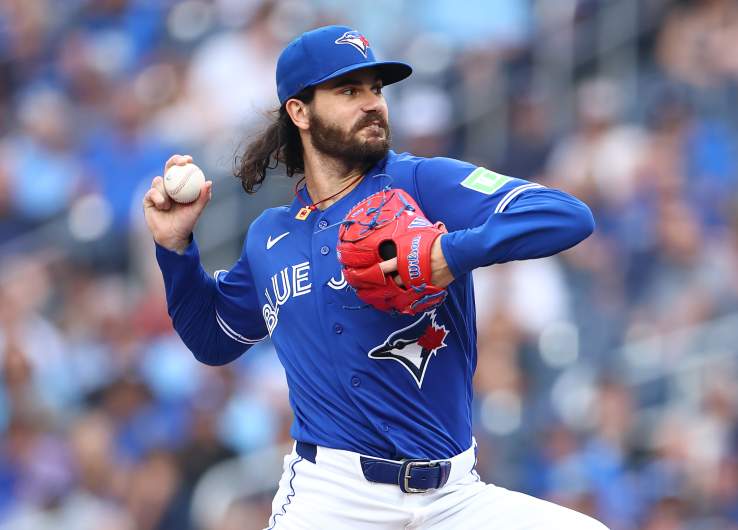
One notable addition was right-hander Freddy Peralta, acquired from the Milwaukee Brewers in a blockbuster trade earlier in the year. Peralta has not matched his career-best form this season, posting a 5-7 record with a 4.68 ERA across 19 starts and 100 innings pitched. While the numbers aren’t where he or the organization would like them to be, Peralta carries a strong track record that keeps him as valuable trade bait as the season progresses. With his contract set to expire at season’s end, teams evaluating rental pitchers will certainly take a long look at his recent form alongside his ceiling.
Industry insiders have floated the idea that, given the Mets’ position, they could opt to move Peralta as part of a broader roster reshaping effort. Among potential suitors, a division rival with mounting urgency could be a natural match. The Atlanta Braves, in particular, have been cited as a strong candidate to pursue Peralta, should they decide to add rotation depth as the deadline nears.
In recent weeks, Atlanta’s offense has shown signs of reversion to earlier forms with plenty of name value and fluctuating production. By contrast, the Braves’ rotation remains a focal point, and their front office would likely prioritize adding a stable, high-end starter who can be relied upon in key moments. While Freddy Peralta’s consistency hasn’t been perfect this season, his prior success and upside keep him on the radar as a potential upgrade option who could fit Atlanta’s immediate needs.
Could a deal between the Mets and the Braves actually happen? Trades within rival divisions are not as rare as they once were, though they still carry more risk and scrutiny than inter-division swaps. The Mets, clearly out of the race and in a position where preserving future flexibility matters, could look to move Peralta if the return is compelling and aligns with long-term goals. For Atlanta, acquiring a proven contributor who can anchor the back end of a rotation or slot into a playoff rotation would be appealing, especially if the price is reasonable given Peralta’s current season and past dominance.
Assessing what the Mets could receive in return involves considering the value of a rental pitcher. Teams often reward rentals with a package that includes organizational depth and landscape-altering prospects, especially when the pitcher has demonstrated Cy Young-caliber potential in the past or is coming off a strong season. Peralta’s résumé suggests he could still be viewed as a high-upside piece who could anchor a playoff run if restored to form. For the Mets, this means balancing the desire for a strong return with the risk that missteps in the market could undermine longer-term objectives. If the Mets can secure players who contribute right away while also positioning themselves for future growth, moving Peralta could be a prudent strategic move.
The broader implications of any trade would depend on several factors, including the Mets’ actual needs at the time of the deadline, the health and development trajectory of their pitching staff, and the readiness of potential prospects in the farm system. If a deal with Atlanta or another contender offers a package that significantly strengthens the Mets’ long-term outlook—not just for the 2024 season but for the ensuing years—it could be viewed as a sensible pivot, given the current trajectory of the club.
From the Braves’ perspective, adding a reliable, experienced arm who has shown the ability to dominate in the past could help stabilize the rotation as the team pursues additional division titles and postseason success. The acquisition would likely come with careful evaluation of medical history, a projection of performance in a new environment, and a clear understanding of how Peralta would fit within a competitive staff that already includes several rising talents and established veterans.
As the deadline approaches, interested teams will weigh Peralta’s upside against the financial and logistical realities of a rental player. The Mets, meanwhile, will assess what offers surface and how each potential deal aligns with their broader strategic plan. While Peralta’s name surfaces frequently in trade discussions, the ultimate outcome will hinge on the dynamic conversations between teams, the price tag, and the perceived fit within each organization’s immediate needs and long-term objectives.
In the end, the baseball marketplace at the trade deadline is a blend of risk, reward, and strategic foresight. For Freddy Peralta, a fresh start with the right club could unlock peak performance and help him reclaim a place among the game’s top starters. For the Mets, a well-timed move could yield a return that accelerates their rebuilding efforts and sets the stage for a more competitive horizon in the years ahead. The coming weeks will reveal how this storyline unfolds, with numerous teams monitoring the situation and weighing their options as the season nears its final chapters.