Following the preseason finale in Buffalo, head coach Mike McCarthy faced questions about Pittsburgh’s quarterback plans. With four signal-callers in camp vying for roster spots, McCarthy echoed a refrain he’s repeated for weeks: he has confidence in the entire quarterback room and believes each member has earned consideration for the roster.
McCarthy’s stance on the quarterback group is clear: he views the room as a strength, not a problem to be solved with a quick fix. He reiterated that the team benefits from having two veterans who can lead the offense and two younger quarterbacks who are progressing and carry exciting long-term potential. This approach signals that Pittsburgh could enter the regular season with a wide array of options behind the starter, rather than narrowing the field prematurely.
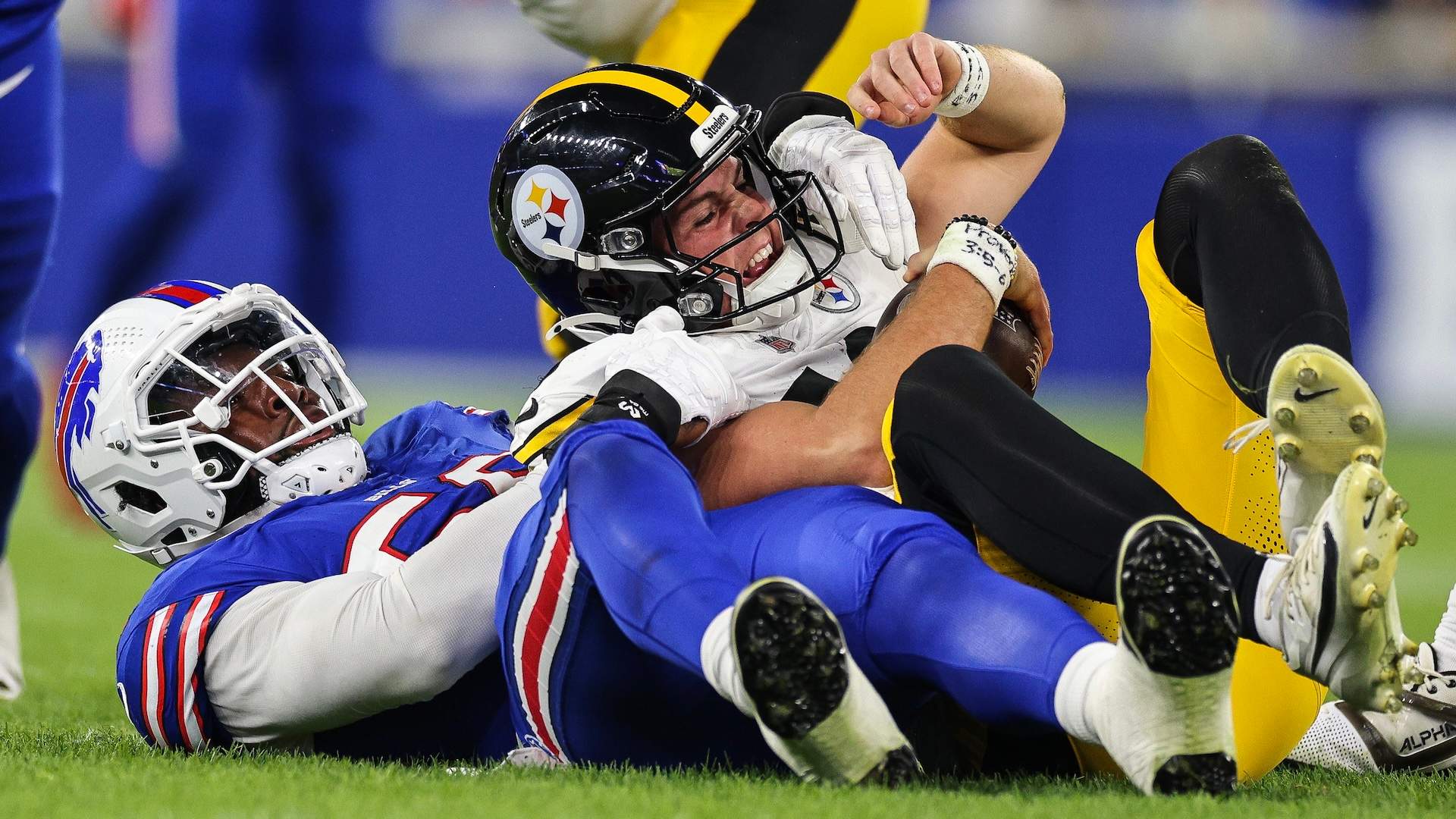
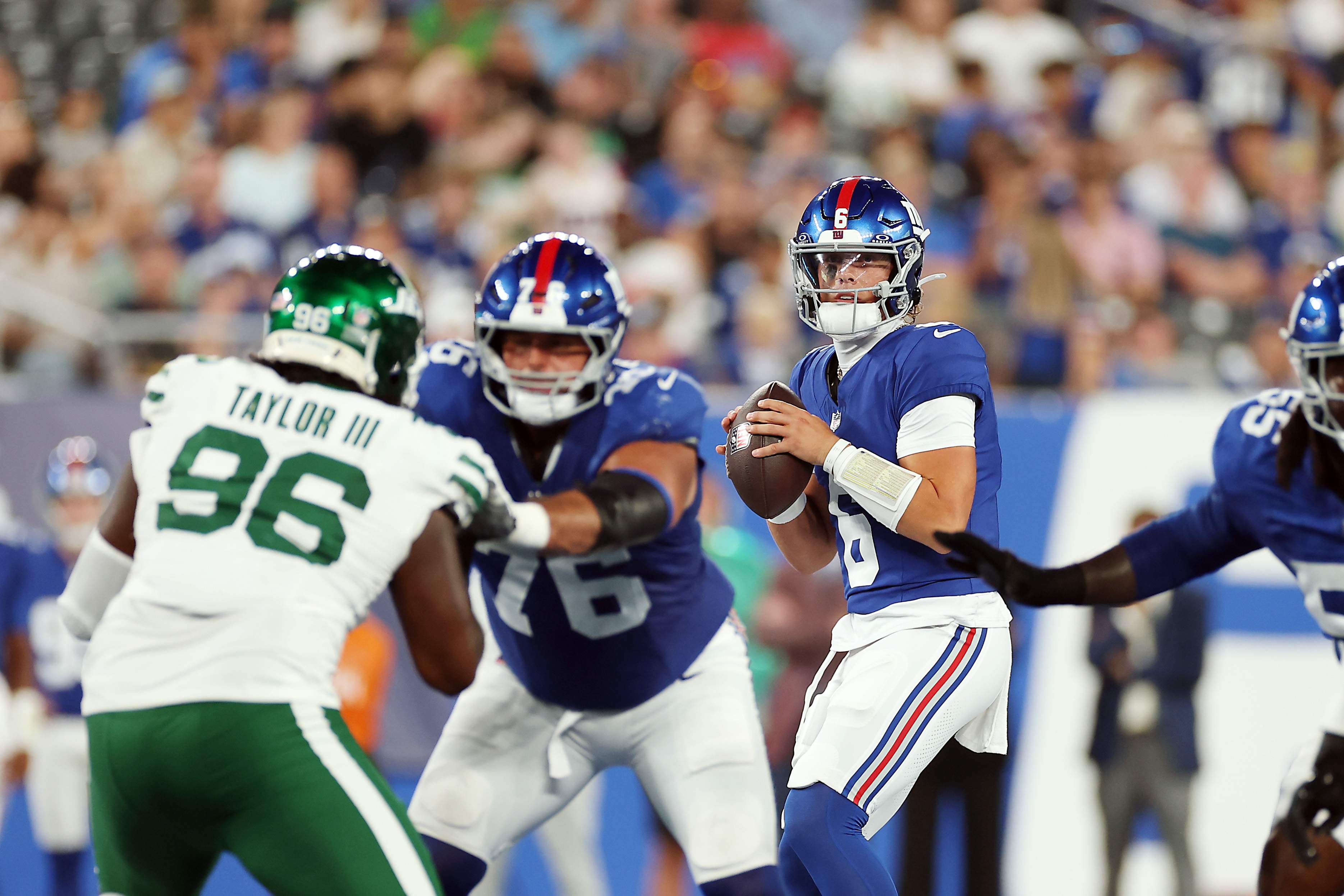
In the most recent exhibition, McCarthy once again limited playing time to the two young quarterbacks in camp, Will Howard and Drew Allar. The plan has been consistent since the preseason opener against Green Bay: the coaches want to evaluate the young talents in game-like settings while keeping the veterans on the sideline for rest and to monitor their readiness. In the Buffalo game, the Steelers fell 28-27 in a contest that mattered little for standings but provided a valuable stress test for Howard and Allar. Both players entered the game with the goal of rebounding from earlier struggles against the Jets, and they delivered mixed results.
Howard finished 9-for-15 for 69 yards, tossing two touchdown passes but also an interception, a performance that illustrated both his potential and the areas that still need refinement. Allar was 9-for-18 for 88 yards, showing a group that is continuing to develop under pressure. These performances, while not definitive, contribute to the ongoing evaluation of which players belong on the active roster heading into Week 1.
Earlier in camp, McCarthy had defended the possibility of keeping four quarterbacks on the roster into the regular season. He argued that such depth in the quarterback room could enhance the team’s overall readiness and flexibility, even going as far as suggesting he’d be comfortable with a larger roster if the math allowed it. The underlying logic is straightforward: with a veteran quarterback like Aaron Rodgers providing a stabilizing presence and leadership, having multiple capable backups could insulate the team from potential injuries and provide strategic options in practice and on game day.
The debate ultimately centers on risk versus reward. If the Steelers were to carry four quarterbacks, two of them inexperienced behind a 42-year-old Rodgers, would that be prudent? McCarthy has to weigh the risk of relying on two beginners in critical moments against the potential upside and development opportunities those players provide. If Mason Rudolph remains with the team, the decision becomes even more nuanced. Rudolph, viewed as a veteran depth option, could be a bridge or a clean backup depending on the direction the coaching staff wants to take.
Ultimately, the decision hinges on the team’s comfort with inexperience behind Rodgers and how much risk the staff is willing to accept entering Week 1. If Rudolph remains on the roster, the Steelers may need to choose between keeping Allar or Howard, or potentially accommodating a deeper quarterback room into the season. If Rudolph is not retained, the choice becomes even more urgent: do the Steelers roll with Allar and Howard as the primary backups, or do they consider other options from the roster or free agency?
Rodgers’ health is a central pillar of the team’s contention window. If Rodgers stays healthy and can replicate his production—completing a high percentage of passes and delivering sturdy yardage with a manageable interception rate—the Steelers’ chances of contending in the AFC North rise substantially. The quarterback’s experience and familiarity with high-pressure situations offer a level of security that is especially valuable for a team navigating a competitive division.
However, if durability becomes an issue, Pittsburgh would need reliable play from the backups. Rudolph’s proven, if modest, track record as a capable backup could mitigate risk in the short term, while Allar and Howard continue to develop for the long term. The coaching staff’s insistence on evaluating multiple quarterbacks in camp underscores a plan built around adaptability and depth rather than a single, fixed solution.
In evaluating the quarterback room, McCarthy’s public comments emphasize confidence in the room as a whole and a willingness to explore all viable options. The decision will ultimately reflect the level of risk the coaching staff is willing to accept with inexperienced backups behind a veteran starter and how they balance immediate competitive needs with long-term development.
As the regular season approaches, the Steelers’ quarterback plans will continue to be a topic of discussion among fans and analysts alike. The core takeaway remains: the Steelers value depth at quarterback and believe their room is equipped with playmakers who can contribute in various roles. The ultimate call on the roster will hinge on performance in practice, continued development of Howard and Allar, and the organization’s assessment of Rudolph’s fit within the team’s long-term strategy.