Assessing the outfield need
A primary area of focus for Houston has been left-handed hitting outfield options that can contribute meaningful power and on-base impact. The path of the season has underscored a need to add bite to the lineup, especially from the left side of the plate. While there are several potential fits across the league, two players frequently surfaced in trade discussion as ideal complements to the Astros’ roster.
One potential target is Jake McCarthy, a 26-year-old outfielder who has been performing well at the plate with a high contact rate and solid on-base skills. In 2025, McCarthy has shown strong offensive numbers, including a .302 batting average, a .343 on-base percentage, and a .513 slugging percentage in limited usage, along with a productive trajectory that suggests continued growth. His blend of speed on the bases, defensive versatility in the outfield, and the ability to contribute across multiple spots in the lineup would address Houston’s need for a left-handed hitter who can provide power and on-base production.
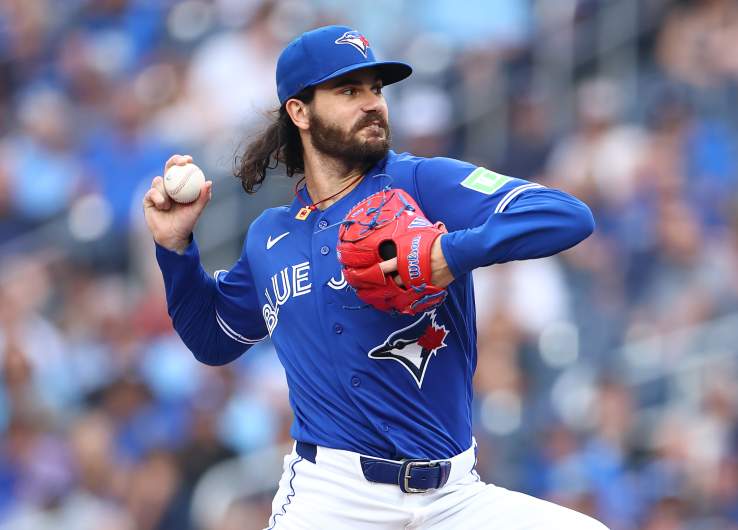
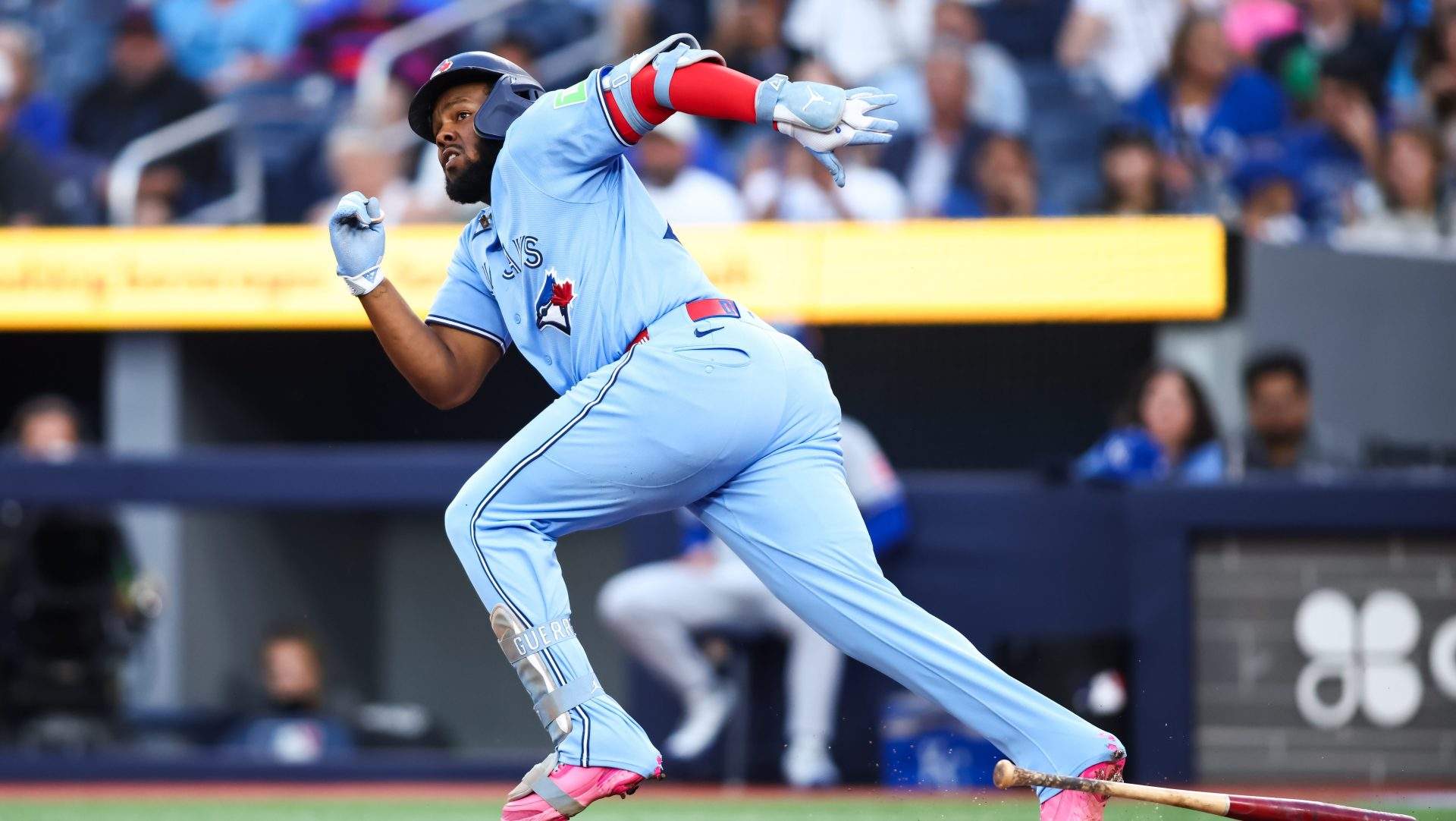
Another widely discussed candidate is Daulton Varsho of the Toronto Blue Jays. Varsho’s profile includes Gold Glove-caliber defense in the outfield and a track record of solid, if not elite, offensive output. In the current season, Varsho has posted a .246/.314/.399 line with seven home runs and 24 RBIs. While not as prolific as some sluggers, Varsho’s defensive value and upside at the plate make him an appealing fit for teams seeking balance and versatility. Boston’s Jarren Duran has also been mentioned as a left-handed up-and-coming outfielder, though he faces increased competition for playing time as strong runs from the Red Sox’ own path to relevance complicate potential trades.
What teams weigh when evaluating upgrades
For Brown, the calculation extends beyond pure talent. The Astros have been aggressive about preserving 2026 upside, indicating a preference to address short-term needs without compromising long-term competitiveness. The ideal fit would be a controllable outfielder who can contribute immediately and grow with the core group in Houston. The trade landscape often pits immediate impact against long-term value, and the Astros’ front office has shown willingness to explore both angles.
Strategic considerations as the deadline approached
The deadline picture for Houston became more nuanced as other contending teams evaluated their own rosters. With the Astros closing a stretch against teams such as Washington and Dallas-area clubs before returning to a divisional schedule, the decision to buy or stand pat hinged on both internal health and external market dynamics. The AL West remained wide open, with no team asserting clear dominance, which further encouraged Houston to pursue helpful, mid-season upgrades rather than risk falling behind in a year that could still offer a strong postseason path.
Impact of a potential acquisition
If Houston were to add an outfielder, the immediate impact would be twofold: bolstering the lineup against tough right-handed pitching and providing a top-to-bottom lineup balance that could ease the burden on the middle and lower thirds of the order. A left-handed bat with power potential would provide a complementary look to the established right-handed and switch-hitting options already in place. Additionally, a defensively capable outfielder could improve the team’s flexibility in late-game matchups, allowing manager to optimize defensive alignments and platoon splits.
Looking ahead to 2026
Beyond the current season, the front office’s stance on 2026 remains a critical factor. The Astros’ ownership has signaled a willingness to contend in the near term, which means any acquisition would ideally offer 2026 value or better. This approach emphasizes players who can be part of a sustained competitive window, not just quick fixes for the present.
Bottom line
As the trade deadline drew nearer, the Astros were squarely assessing how to strengthen the outfield with a left-handed emphasis and the potential to inject power and on-base capability into the order. Whether through Jake McCarthy, Daulton Varsho, or another suitable left-handed hitter, Houston’s strategy was to balance immediate win-now impact with long-term asset value, ensuring the roster remains competitive in 2026 and beyond. The market would ultimately dictate how aggressively the Astros pursued a deal, but the intent remained clear: upgrade the outfield to better position the team for a meaningful run in the postseason and a competitive arc into the next season.