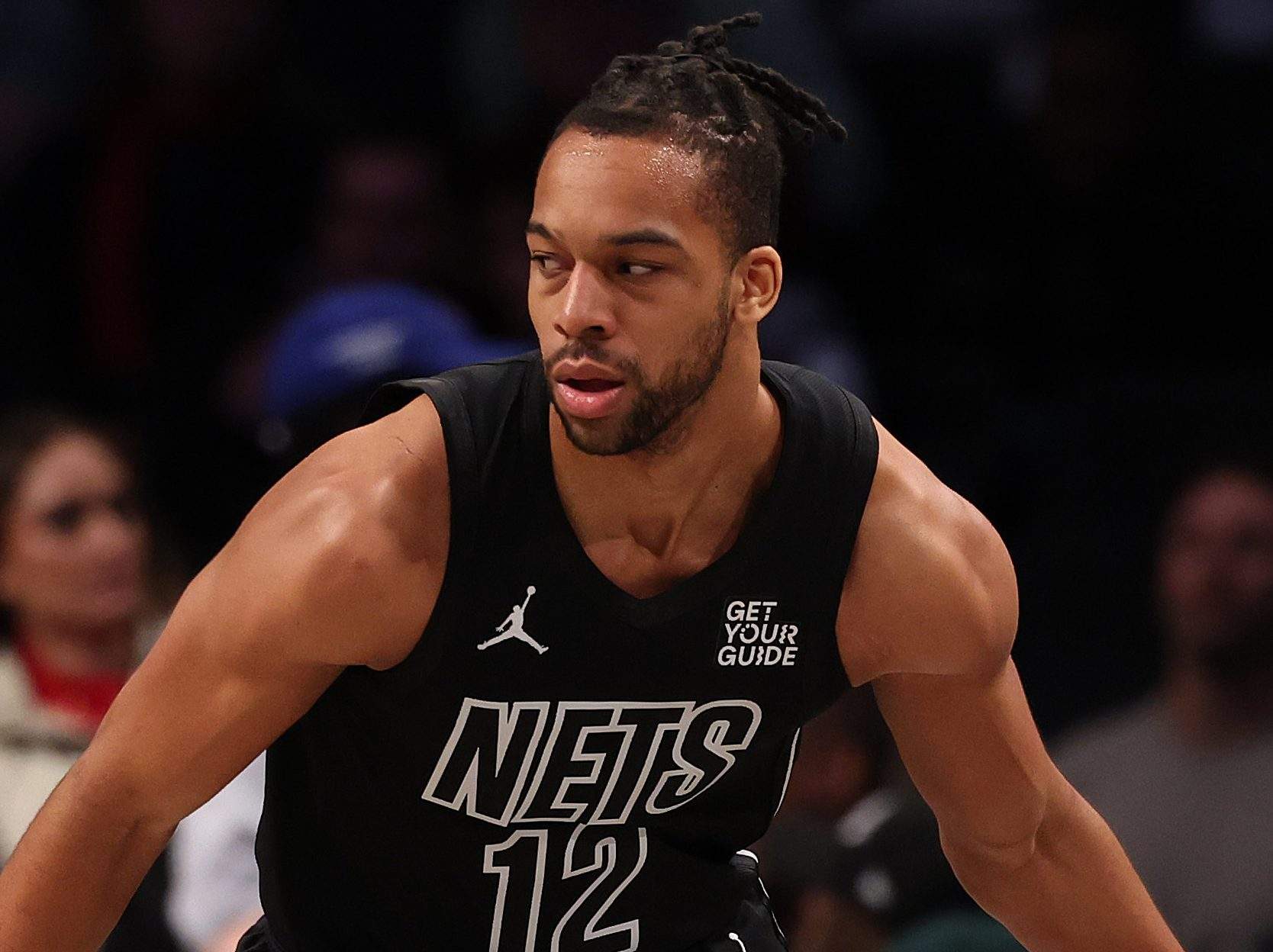
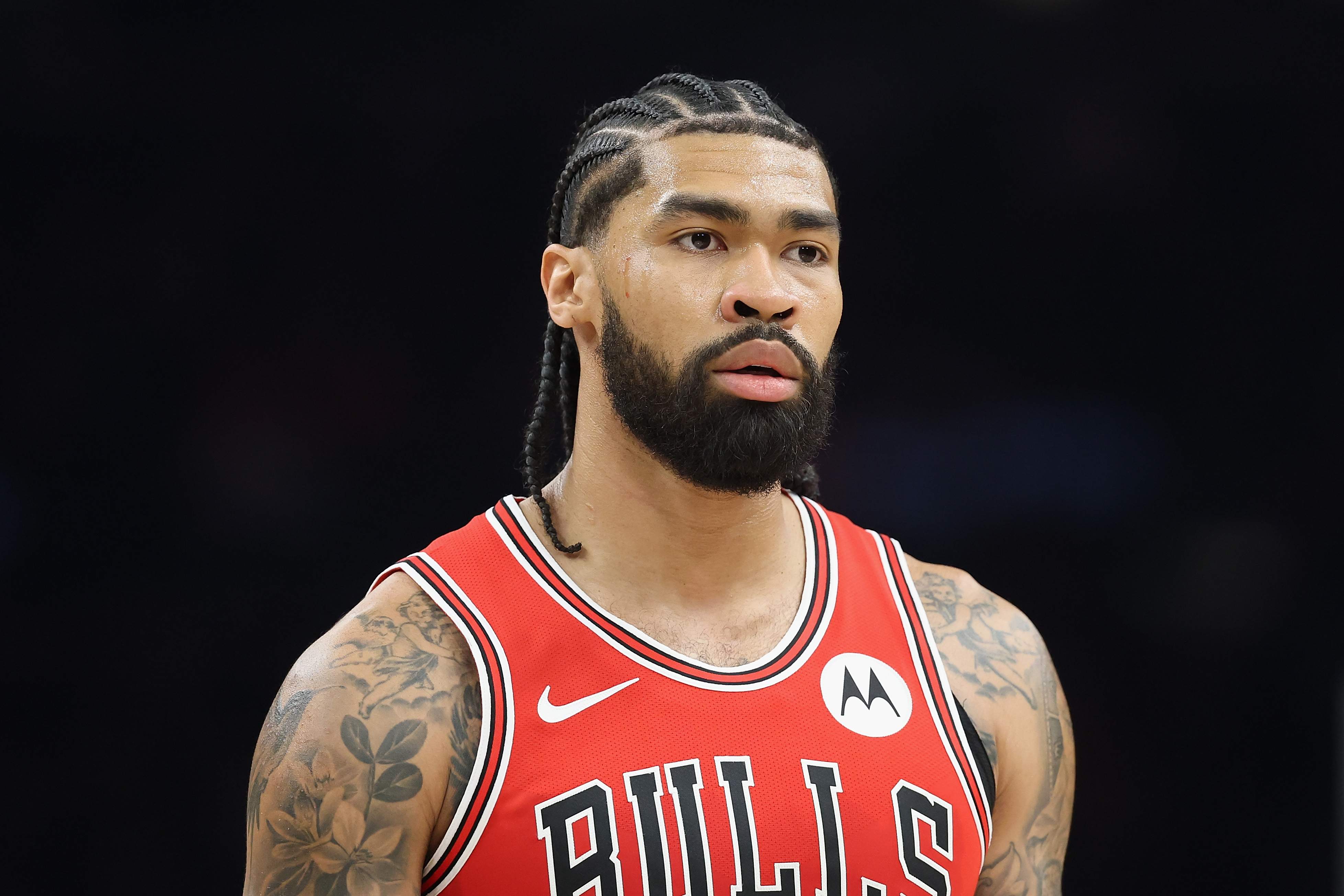
In broad strokes, the trade would involve Detroit sending experimental pieces in exchange for a star-level addition, while creating valuable financial room under the luxury tax. If the six-team framework holds, the Pistons could acquire John Collins through a sign-and-trade, with additional pieces including Taurean Prince and Gary Harris. In return, Detroit would move out Isaiah Stewart, Caris LeVert, and Marcus Sasser, among others, as part of the multi-team arrangement involving several other franchises.
One of the central financial implications is the potential creation of traded-player exceptions (TPEs). The Pistons could establish a $15 million exception linked to Isaiah Stewart and a $5.2 million exception connected to Marcus Sasser. These TPEs serve as future tools for Detroit to attach to additional trades or signings without immediately affecting the payroll. More importantly, the structure of the deal could leave Detroit roughly $46 million under the luxury tax, especially when Sasser’s inclusion is accounted for. This level of cap flexibility matters because it preserves room for a competitive offer to Duren while avoiding tax penalties that can impede long-term roster-building.
The timing of the talks coincides with ongoing discussions about a long-term extension for Duren, whose contract status has become one of the offseason’s major talking points for Detroit. Duren, who showed remarkable development and earned All-Star and All-NBA Third Team recognition in the previous season, is entering a phase where his next contract will significantly shape the Pistons’ trajectory for years to come. The team has consistently valued him highly, though not at the maximum level some reports suggested his camp might seek. Industry chatter has framed Duren as a cornerstone piece around which Detroit plans to build, alongside a young core that has shown considerable potential.
Market dynamics have shifted in Detroit’s favor. Earlier in the offseason, it was widely reported that Duren met with rival destinations as part of exploratory discussions around maximum-salary offers or sign-and-trade scenarios with other teams. Those discussions did not materialize into a deal, as teams such as the Los Angeles Lakers allocated cap space to other targets and Detroit reportedly paused any active pursuit of a sign-and-trade involving a rival star. With those paths cooled off, Detroit holds a stronger leverage position. At present, several teams lack the cap space necessary to offer a max contract, which reinforces Detroit’s control over the center’s next terms.
Detroit’s investment in Duren appears likely to continue, with the organization signaling a preference for a contract that aligns with other rising stars who have signed substantial but not fully max deals. This approach mirrors a broader strategy: build around a young, productive center while maintaining financial flexibility to add depth and complementary players as needed. The Pistons’ front office has pointed to comparable contracts signed by players who play similar positions and roles as benchmarks, suggesting a careful balance between market value and long-term team-building strategy.
The six-team trade, if finalized, would not automatically seal a long-term agreement with Duren, but it would reduce several potential obstacles. By preserving multiple trade-exception tools and keeping the payroll well below the luxury tax threshold, Detroit would maintain significant latitude to structure a fair, competitive offer for Duren without triggering punitive tax consequences. This flexibility is critical as the organization seeks a durable financial footing to secure a marquee extension while continuing to develop its core of young players.
Beyond the immediate cap mechanics, the deal has broader implications for Detroit’s future. It reshapes the cap sheet to maximize flexibility, preserves room under the tax line, and positions the franchise to pursue targeted roster improvements without compromising long-term financial health. The Pistons’ strategy emphasizes balancing a rising core with prudent financial planning, allowing for sustained growth rather than short-term splash moves.
Fans and analysts will watch closely as discussions progress toward a formal agreement. If the six-team trade comes to fruition and the financial picture remains as projected, Detroit could reach a point where an extension for Duren becomes a near inevitability. The combination of a strengthened cap situation, preserved trade assets, and a clear path to long-term commitment makes the Pistons’ offseason narrative particularly compelling as the season moves forward.
In summary, the proposed six-team trade represents more than a roster reshaping effort. It marks a strategic financial maneuver designed to unlock long-term flexibility, strengthen the team’s negotiating position with Jalen Duren, and position Detroit for sustained competitive growth in the years ahead. The coming weeks will reveal whether the league’s agreement aligns with these strategic aims, but the framework already signals a meaningful shift in the Pistons’ financial and competitive posture.