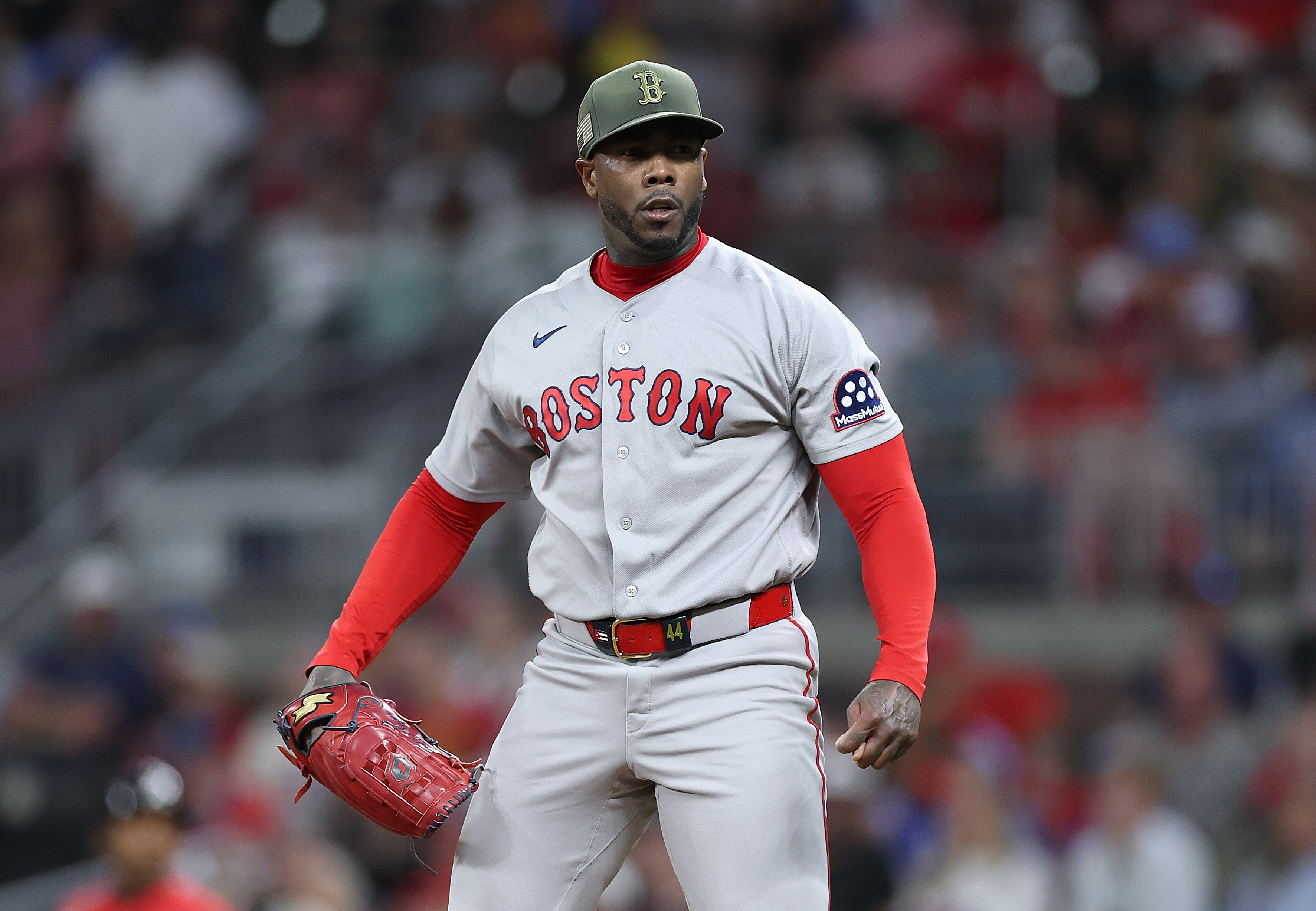
Trade speculation centers on a trade chip who has shown flashes of potential at times but has also endured stretches of inconsistency. The narrative around this pitcher highlights a career arc that includes high-level contributions as well as periods of struggle, making him an intriguing stash option for a contender willing to take a calculated risk. Recent performance highlights include a season with a respectable workload, multiple starts with solid strikeout numbers, and a history of contributing both as a starter and in low-leverage relief roles when needed. These traits can be especially appealing to a team looking to add depth to a rotation without overcommitting payroll or long-term assets.
From a scouting and analytics perspective, the pitcher’s age, durability, and velocity have been differentiators at various points in his career. When healthy and in the right situation, he has demonstrated the ability to miss bats and challenge lineups. However, durability and consistency have been points of concern, contributing to a slower market and presenting an opportunity for teams to acquire him at a lower-risk, buy-low price. For a club evaluating its postseason odds, adding a veteran arm with a history of success in different environments can provide both on-field value and veteran leadership in the clubhouse. The key for any potential trade would be aligning the pitcher’s skillset with the team’s defensive framing, ballpark factors, and depth needs.
A broader look at the Tigers’ current standing shows a franchise in the midst of evaluating its options as the season progresses. Detroit has demonstrated competitive moments, including recent wins that have helped build momentum, but they sit with a modest overall record that reflects the ongoing balancing act between developing young talent and contending for a playoff berth. As the trade deadline nears, Detroit’s front office must weigh upside potential Against the cost of acquiring a pitcher who can contribute immediately. The Tigers have been known to shop reliable, durable arms that can slot into the back of the rotation or serve as a stabilizing presence in the middle innings, depending on the needs that arise as the schedule unfolds.
The team’s plans for the rest of the season will hinge on several factors, including health, performance of existing rotation members, and the opportunities that surface on the market. For the front office, the calculus includes not only short-term wins but long-term organizational goals, such as rebuilding depth in rotation while preserving potential trade chips for future seasons. The availability of other long-tenured arms on the roster may influence negotiations, as teams often balance the desire to contend now with the strategic need to retain or exchange core assets for future development.
As the deadline approaches, observers will pay close attention to how Detroit positions its pitching staff. The Tigers will likely weigh offers that include players who can contribute immediately in 2026 and beyond, while also evaluating draft picks and minor league assets that could be part of a broader package. Any decision will be driven by a careful assessment of the market, the cost of acquisition, and the receiving team’s needs and infrastructure for integrating a new arm into their rotation.
In sum, while Tarik Skubal remains a central figure in trade discussions due to his elite upside and emerging track record, there is rising interest in another established pitcher who could become a buy-low option for Detroit. The combination of upside, durability, and the potential to improve the club’s depth behind the top rotation threats makes this a storyline to monitor as the summer progresses. Detroit’s management faces a pivotal choice: pursue a high-impact upgrade with a more proven name or add a complementary piece that could pay dividends down the stretch and into future seasons.
As the MLB trade season unfolds, fans and analysts alike will assess how the Tigers navigate the market, balancing the allure of immediate contributions with the strategic aim of strengthening the organization for years to come. The outcome of these negotiations will shape Detroit’s competitive trajectory and impact how the rotation is projected to perform in the weeks and months ahead.