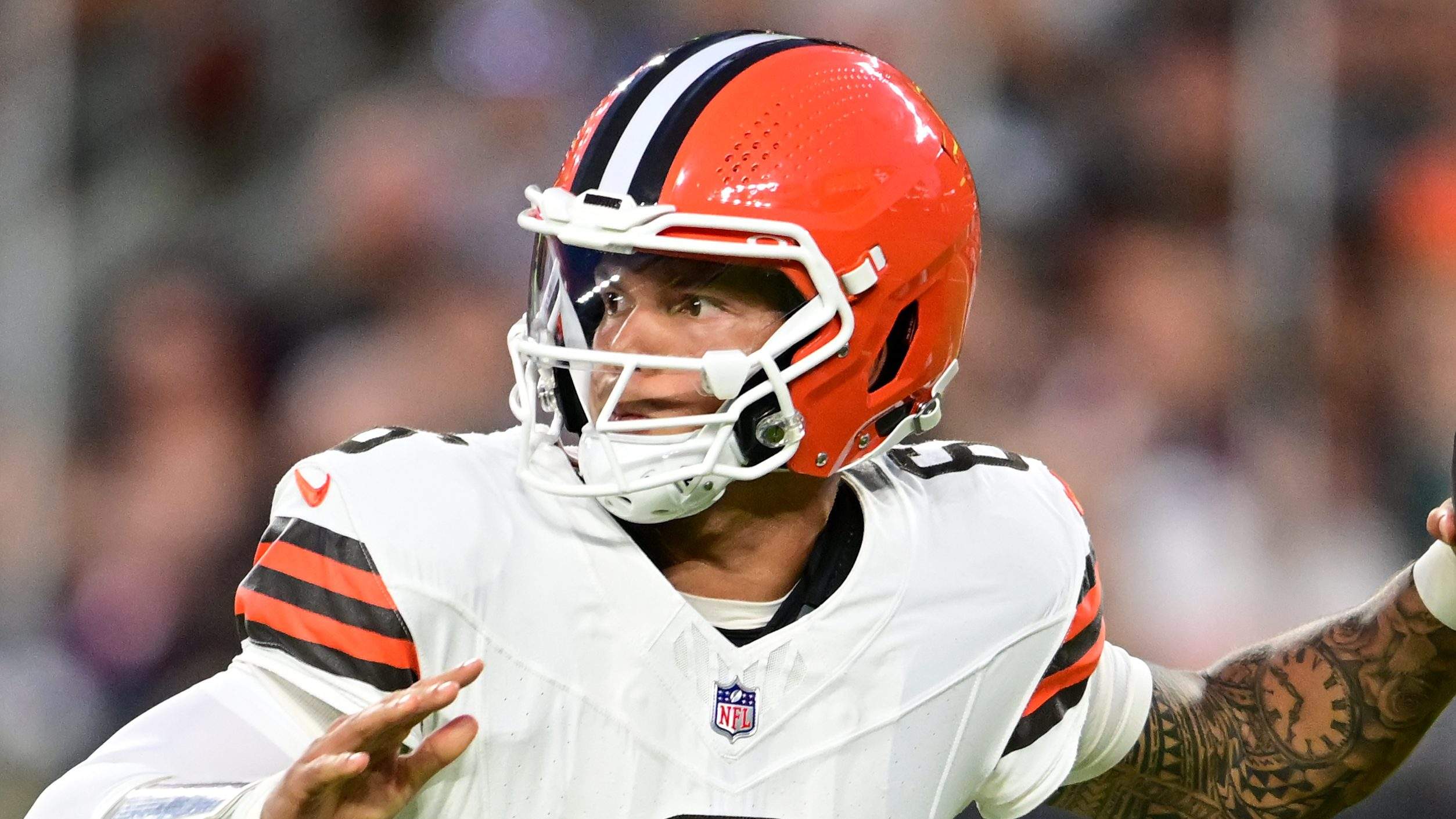
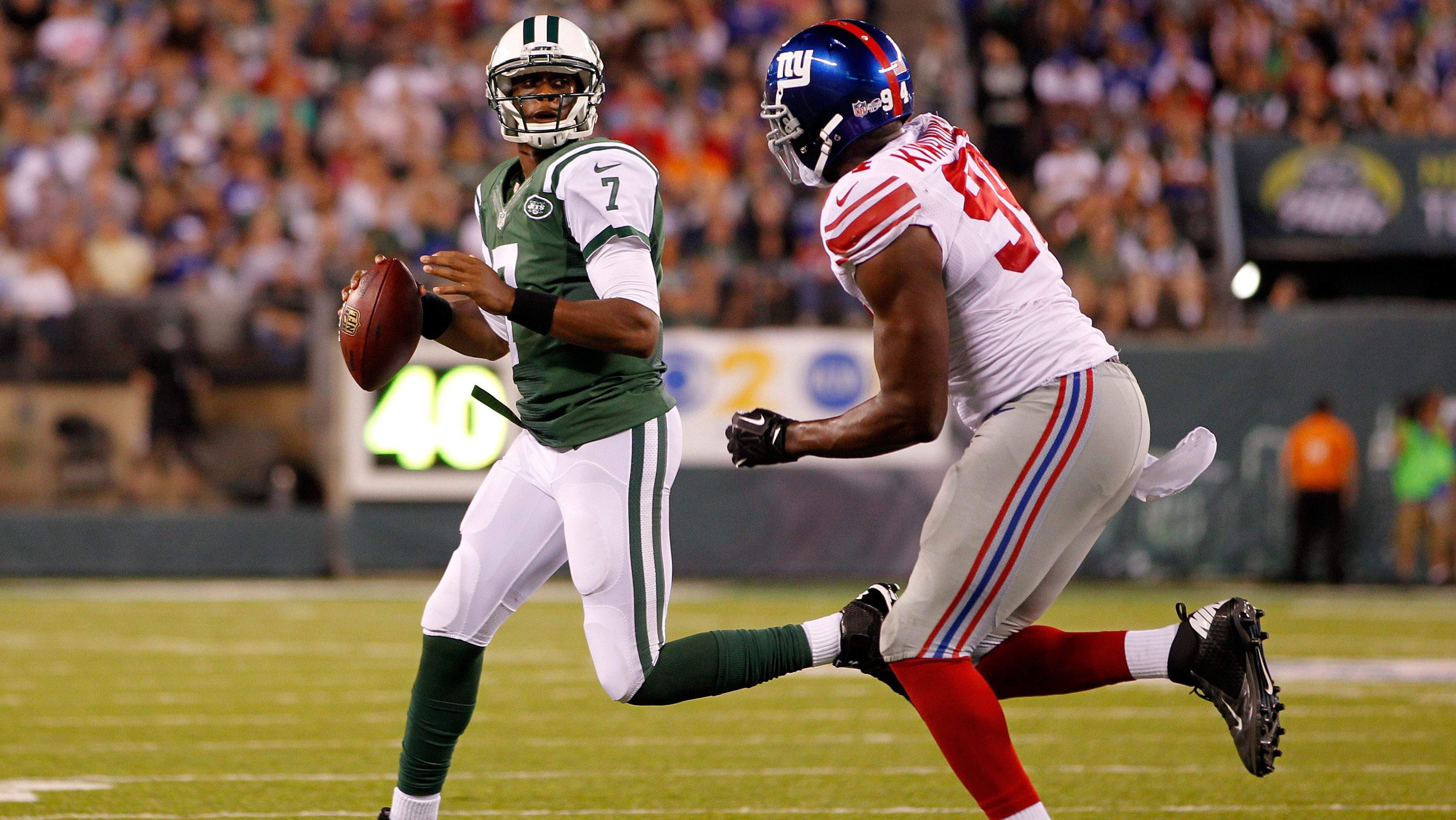
In this framework, Love sits in a tier labeled “Borderline Stars.” This tier sits just below the five players who are broadly regarded as transcendent at the position. The Borderline Stars tier comprises about 12 quarterbacks, which amounts to roughly one-third of the league. The tier helps explain why discussions about Love’s true standing can feel unsettled: on any given day, he can flash elite potential, yet he can also drift into inconsistent play.
Under this system, the five quarterbacks at the top — a group that includes names like Matthew Stafford, Lamar Jackson, Josh Allen, Patrick Mahomes, and Joe Burrow — are consistently viewed as separate from the rest due to long track records of high-level play. Beyond them, a large cluster of quarterbacks makes up the Borderline Stars. This group contains players who can carry a high-powered offense on a hot streak and sometimes resemble top-five starters, but whose performance is often tied to supporting cast and circumstances. Consistency can swing in either direction, keeping them just outside the elite tier.
Jordan Love is a quintessential example of this dynamic. Packers fans and general observers alike recognize that he is not currently among the top five quarterbacks. Yet, he has the ceiling to be part of a higher tier on his best days. The Borderline Stars tier is characterized by a mix of reliability and volatility, with players capable of moments of brilliance but also periods of subpar play.
The Borderline Stars group includes names such as Jalen Hurts, Sam Darnold, Caleb Williams, Bo Nix, Jayden Daniels, Jared Goff, Brock Purdy, Justin Herbert, Dak Prescott, Drake Maye, Trevor Lawrence, and Love. Across various rankings, this cluster typically lands somewhere between the sixth and eighteenth spots, with the order shifting based on analyst perspective and current form. Each member has the potential to rise into the transcendent tier, should circumstances align and performance sustain at a higher level.
Looking ahead to 2026, the question remains: can Love differentiate himself and push into the upper echelon? The answer will hinge on consistency, development, and the ability to maximize surrounding talent. If Love can maintain level play across an extended stretch and elevate his game in key moments, he could emerge from the Borderline Stars and into a more consistently elite tier.
In the broader landscape of quarterback evaluations, the Borderline Stars concept helps explain why debates about Love’s ranking persist. It acknowledges both his potential to perform at a top-tier level and the real-world variability that can keep him from definitively breaking into the league’s best. For fans and analysts, the framework suggests a pragmatic expectation: Love may possess the talent to reach higher heights, but sustained excellence will be the deciding factor in whether he leaves the “borderline” category behind.
Note: This piece reflects a tier-based assessment of quarterback rankings and does not rely on a single definitive list. It focuses on the conceptual placement of Love within a broader set of signal-callers and explains why the debate around his true standing remains nuanced.