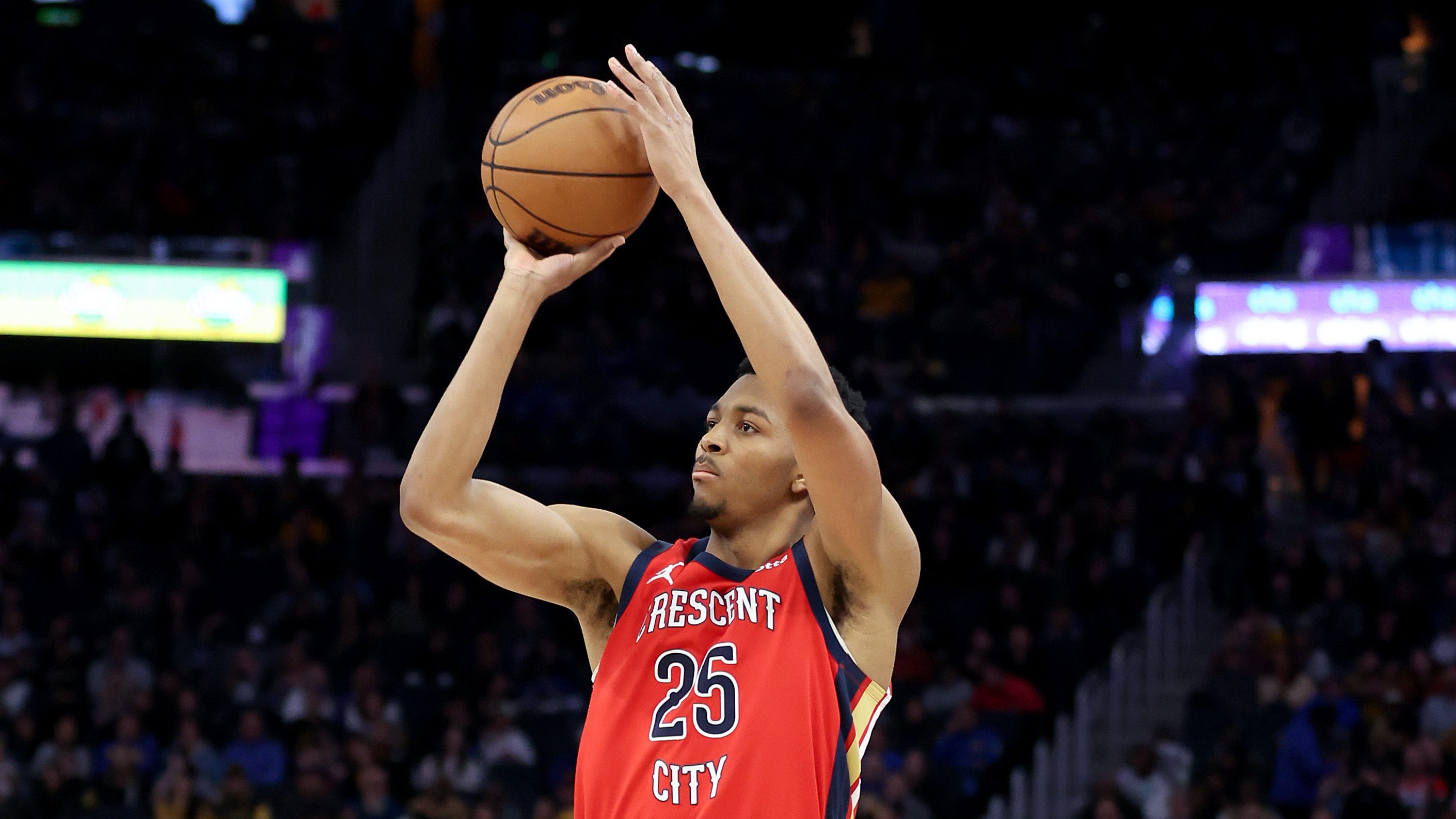
A notable talking point is the possibility of adding Anthony Davis to the fold in a frontcourt upgrade. In a hypothetical scenario, the Timberwolves could assemble a trade package that includes Rudy Gobert, Donte DiVincenzo, and Terrence Shannon Jr. in exchange for Davis. While swapping Gobert, a four-time Defensive Player of the Year, for Davis might not look like an immediate defensive upgrade on paper, Davis could better fit alongside Anthony Edwards and LaMelo Ball, providing a more versatile offensive threat and a different style of rim protection.
Davis has been with his current team only since the trade deadline and has yet to suit up for them in a game. His name has been tied to several franchises seeking a strong frontcourt presence, and Minnesota’s willingness to explore a deal could reflect a broader strategic aim: upgrade the offense without sacrificing the defensive backbone that has defined the team.
From a financial standpoint, Davis presents challenges. His projected 2026-27 salary sits around $58 million, with a player option that could push the figure beyond $60 million in the following season. Minnesota’s cap situation is stretched, making any major move a delicate balancing act. Gobert’s contract, at approximately $36.5 million for 2026-27, remains substantial but is not an insurmountable obstacle if the team can pair it with additional salary-relief moves under the league’s current collective bargaining framework. DiVincenzo’s status—currently on an extension window and dealing with a history of injuries—adds another layer of complexity to weighing the trade’s long-term value.
If Minnesota pursues a Davis addition, it could require supplementary roster adjustments to address potential gaps. The frontcourt would need complementary wings and reliable veterans to fill in around a star-driven core, ensuring depth at multiple positions and maintaining balance on both ends of the floor. The objective would be to create a lineup capable of thriving in faster offensive sets while preserving enough switching versatility to protect against high-quality forward tandems and guard-oriented attack schemes.
Looking at potential on-court outcomes, a Davis–Edwards–Ball–McDaniels configuration would offer a blend of scoring punch and two-way impact. Davis’ ability to guard multiple positions and protect the rim would help offset any defensive mismatches created by a more up-tempo approach. When healthy, Davis has proven to be a high-level defender and an offensive facilitator who can stretch the floor and finish around the basket. His experience and versatility could allow Ball to operate as a primary initiator while Edwards remains the engine of the offense, drawing close attention from defenders and creating opportunities for teammates.
Davis’ health history is a critical variable. His durability has been a concern at times, and the risk of injury would be a central consideration for any long-term investment by Minnesota. However, when available, Davis provides a combination of size, length, and basketball IQ that can elevate a team’s cutting angles, screen-and-roll dynamics, and secondary-playmaking capabilities. If the Timberwolves can optimize ball movement and spacing around him, the new offense could exploit mismatches more effectively than the previous iteration of the roster.
Gobert, known for his defensive impact and floor-stretching limitations on offense, would be the incumbent in this scenario. While replacing him with a star like Davis would represent a shift in the team’s identity, the trade could still keep Minnesota competitive by prioritizing pace, spacing, and high-percentage finishing around the rim. The decision would hinge on the front office’s assessment of whether the potential offensive upgrade justifies the accompanying defensive trade-off and how well the rest of the roster can adapt to a new rhythm.
The Wizards, meanwhile, would evaluate the deal partly on Davis’s health status and long-term fit alongside their developing core. If Davis can stay healthy and contribute consistently, he could help elevate the team’s ceiling alongside a young No. 1 pick and other developing players. The decision would reflect the franchise’s willingness to invest in a veteran presence who can anchor the frontcourt and provide both penalty-area scoring and defensive presence.
Overall, a move of this scale would signal a deliberate reorientation toward a more offense-oriented system without abandoning defense as a foundational principle. The Timberwolves’ strength—stability on the defensive end—would need to blend with increased offensive equity to maximize Edwards’s scoring impact and Ball’s playmaking. The combination of Edwards, Ball, and a healthy Davis could present an imposing offensive trio that challenges opponents to keep pace while relying on versatile defense to contest shots and protect the basket.
Any potential trade will hinge on a complex mix of salaries, health prognoses, and the ability of Minnesota to align the rest of the roster to the new strategic framework. The front office would need to navigate cap constraints, preserve depth, and ensure that the team remains competitive in the short term while building for sustained success in the years ahead. As discussions continue, fans will watch carefully to see how the Timberwolves balance ambition with prudence in their pursuit of a transformative frontcourt upgrade.