Warriors fans had reason to monitor Murphy’s status closely. Before last season’s trade deadline, Golden State was among several teams that reportedly reached out to New Orleans about Murphy, who is 26 years old. Earlier in the offseason, reports indicated the Pelicans had lowered their asking price from the equivalent of four first-round picks to three, keeping the door open for a potential match with other interested franchises. Still, commentary at the time suggested the Warriors’ level of interest was contingent on broader strategic considerations, including whether an upgrade aligned with long-term plans.
Fischer’s updated perspective marks a shift from the weeks of speculation linking the Warriors to Murphy, one of the league’s most versatile two-way wings. The Pelicans, after evaluating their valuation and surveying the market, now appear more inclined to hold onto Murphy if a satisfactory deal cannot be reached. This development underscores a broader reality in the trade market: even coveted players can remain in place if the perceived return does not justify the price, or if a team believes a player fits best as part of its core for the near future.
Despite the evolving outlook, Golden State still maintains a favorable position should the situation change. The franchise has built a robust asset base, including multiple tradable first-round picks and several second-round selections, providing ample draft capital to assemble a competitive offer without sacrificing long-term flexibility. The Warriors also recently concluded a period of uncertainty around pursuing blockbuster targets, with reports indicating that a previously rumored pursuit of Anthony Davis did not materialize into a feasible path, thereby preserving cap freedom and draft equity for other opportunities.
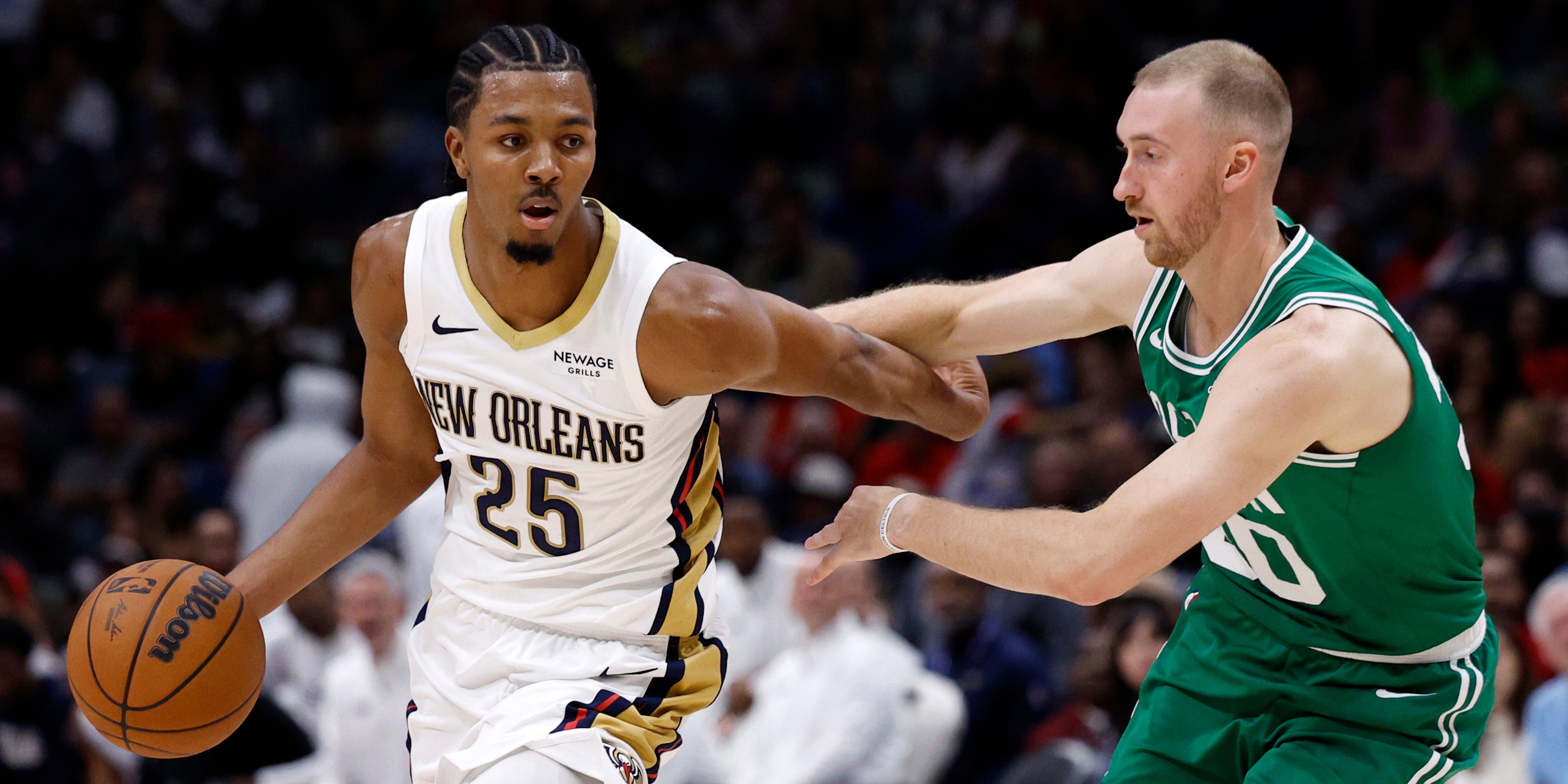
Murphy’s on-court profile helps explain why he remains such a talked-about target. He is entering the second year of a four-year, $112 million contract after a standout season that featured roughly 21.5 points, 5.7 rebounds, and 3.8 assists per game, along with strong 3-point shooting. His size, shooting ability, and defensive versatility position him as a high-value two-way wing capable of contributing on multiple fronts. For a franchise like Golden State, which aims to contend while protecting future assets, Murphy’s combination of immediate impact and long-term potential is particularly appealing.
From Golden State’s perspective, the opportunity to re-engage in talks could reappear if the Pelicans decide they are willing to adjust their price or re-evaluate Murphy’s fit with their long-term plans. With three tradable first-round picks and three second-round picks at their disposal, the Warriors can pursue a competitive offer without exhausting their future capital. The timing, however, depends on New Orleans’ direction and market dynamics later in the offseason.
For now, the current trajectory suggests Murphy may remain with the Pelicans as the market cools. If circumstances shift—whether a team becomes willing to meet the Pelicans’ valuation, a new angle emerges, or Murphy’s availability changes—the door could reopen. Golden State’s asset base ensures it remains a potential suitor, but any deal would need to align with both teams’ strategic goals and financial frameworks.
In summary, while Murphy’s trade status has experienced ups and downs over the summer, recent reporting indicates a growing sentiment that he will stay with New Orleans unless a decisive market adjustment occurs. The Warriors, well-positioned with draft capital, still have the means to revisit negotiations should the Pelicans indicate a willingness to move Murphy at value that makes sense for Golden State. Until then, fans should expect Murphy to remain a Pelican, with the trade market continuing to evolve as teams finalize their rosters for the upcoming season.