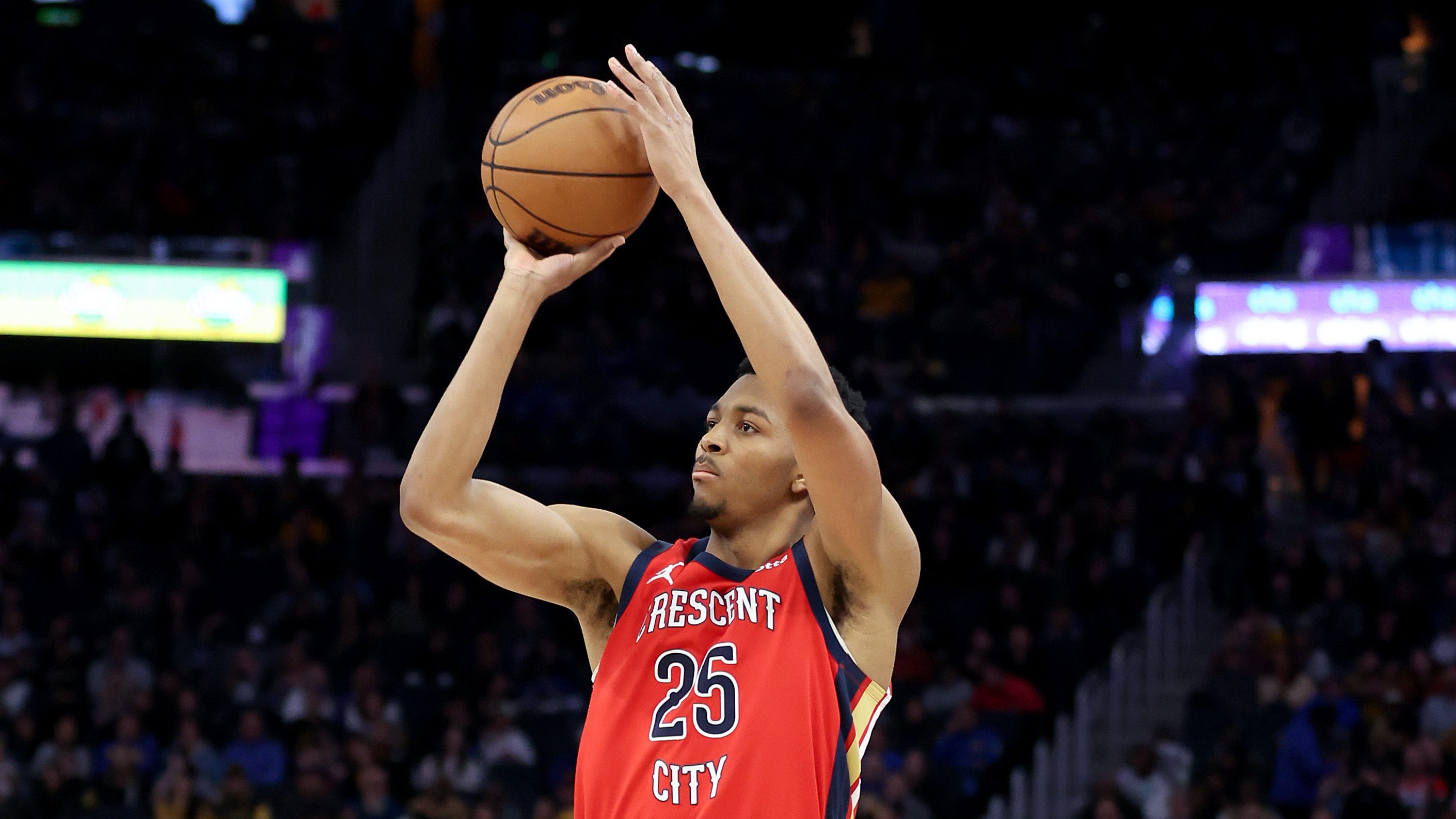
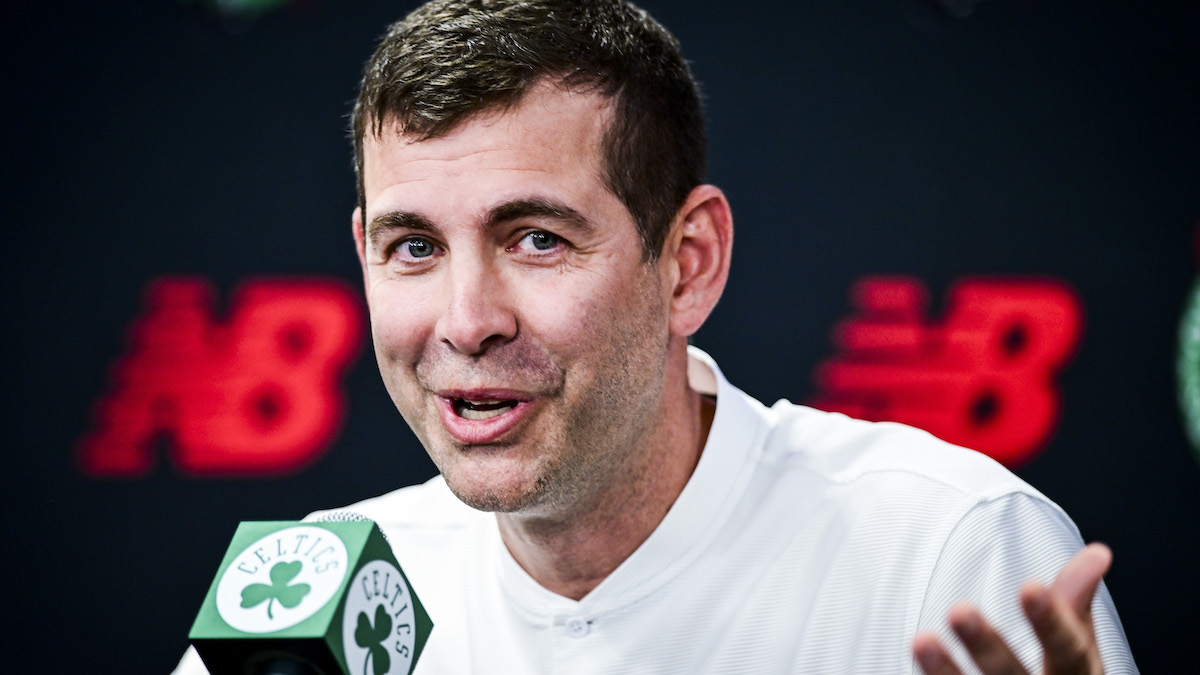
The Boston Celtics faced a painful moment for fans when All-NBA wing Jaylen Brown was traded to the Philadelphia 76ers, a fellow member of the Atlantic Division. The move sparked extensive discussion around the Celtics’ strategic direction and how the deal stacked up against offers from other teams.
Brad Stevens, the Celtics’ president of basketball operations, acknowledged that he would have preferred sending Brown to a team outside the conference if the exact deal had come from the Western Conference. He noted that no West team presented a package as strong as the Sixers’ offer, which included two first-round picks. Despite the significance of facing a conference rival multiple times, Stevens defended the choice by emphasizing long-term flexibility and “optionality” for the franchise.
When discussing the trade, Stevens highlighted that the decision was driven by an assessment of the team’s trajectory and the league’s direction. He cited the Celtics’ recent performance and the challenges of continuing with a payroll structure that heavily utilized two players—Brown and star forward Jayson Tatum—while also navigating a new collective bargaining agreement. He stressed that the path forward required balancing competitiveness with cap flexibility.
The trade also prompted reflections on social discourse around team decisions. Stevens indicated he did not engage much with online debates surrounding the deal and suggested that his choices could be proven right or wrong as the season unfolds. He pointed out concerns about committing a large share of the cap to two players, which could limit the team’s ability to construct a well-rounded roster.
Owner Perspective
Celtics majority owner Bill Chisholm described the decision as a basketball-related move, separate from salary-cap considerations. He emphasized that the aim was to build the most effective roster possible for immediate success and long-term competitiveness. While acknowledging the existence of the league’s luxury tax framework, he stressed that the trade was about basketball strategy rather than financial constraints alone.
Behind the Scenes
The trade raised questions about strategy, risk, and the evolving landscape of the NBA, including cap rules and the importance of building depth and flexibility. The Celtics sought to optimize their long-term chances by acquiring assets and cap space while remaining competitive in the near term.
In summary, while the acquisition by Philadelphia and the departure of Brown marked a dramatic shift for the Celtics, the front office framed the move as a strategic decision aimed at balancing win-now potential with future flexibility. The team is now positioned to pursue a redefined core and supporting cast as it approaches a new season and the opportunities it brings.