Stevens emphasized that the value of the draft assets acquired in the Brown trade lies in flexibility. The Celtics now hold a broad timeline of protections and opportunities: their own picks in 2027 and 2029, plus selections in 2031 through 2033. They also owe their 2030 pick to Portland and will obtain the Sixers’ 2031 pick. The 2028 draft situation remains complex, but the likely outcome is that Boston will keep its own pick, with potential involvement from San Antonio through swap rights and possibly a Clippers pick if the Clippers fall into the lottery. In practical terms, Boston could end up with the Sixers’ pick and the Clippers’ lottery pick in 2028, or a combination including their own pick alongside those other selections.
The overarching takeaway is that this asset package creates a serious window for strategic maneuvering. Stevens laid out the logic: two premium assets—specifically the 2031 Philadelphia pick and the intricate 2028 scenario—offer a broader canvas for big swings, while the accompanying second-round picks serve as valuable levers in mid-market moves. This framework is designed to keep Boston competitive in the short term while preserving runway for potential blockbuster trades in the future.
With five first-rounders now potentially available for trade, the Celtics have increased their leverage. Stevens acknowledged that fans may be more focused on players than on draft capital, but he stressed that the draft assets are crucial for building a sustainable contender. He framed the assets as both a hedge and a toolkit: premium picks that could be used to acquire star-level players or to complement a young core with complementary talents. For fans, the message is clear—while Brown’s departure is a setback, the team’s new assets position Boston to pursue meaningful upgrades or to package picks for a transformative move if the right opportunity arises.
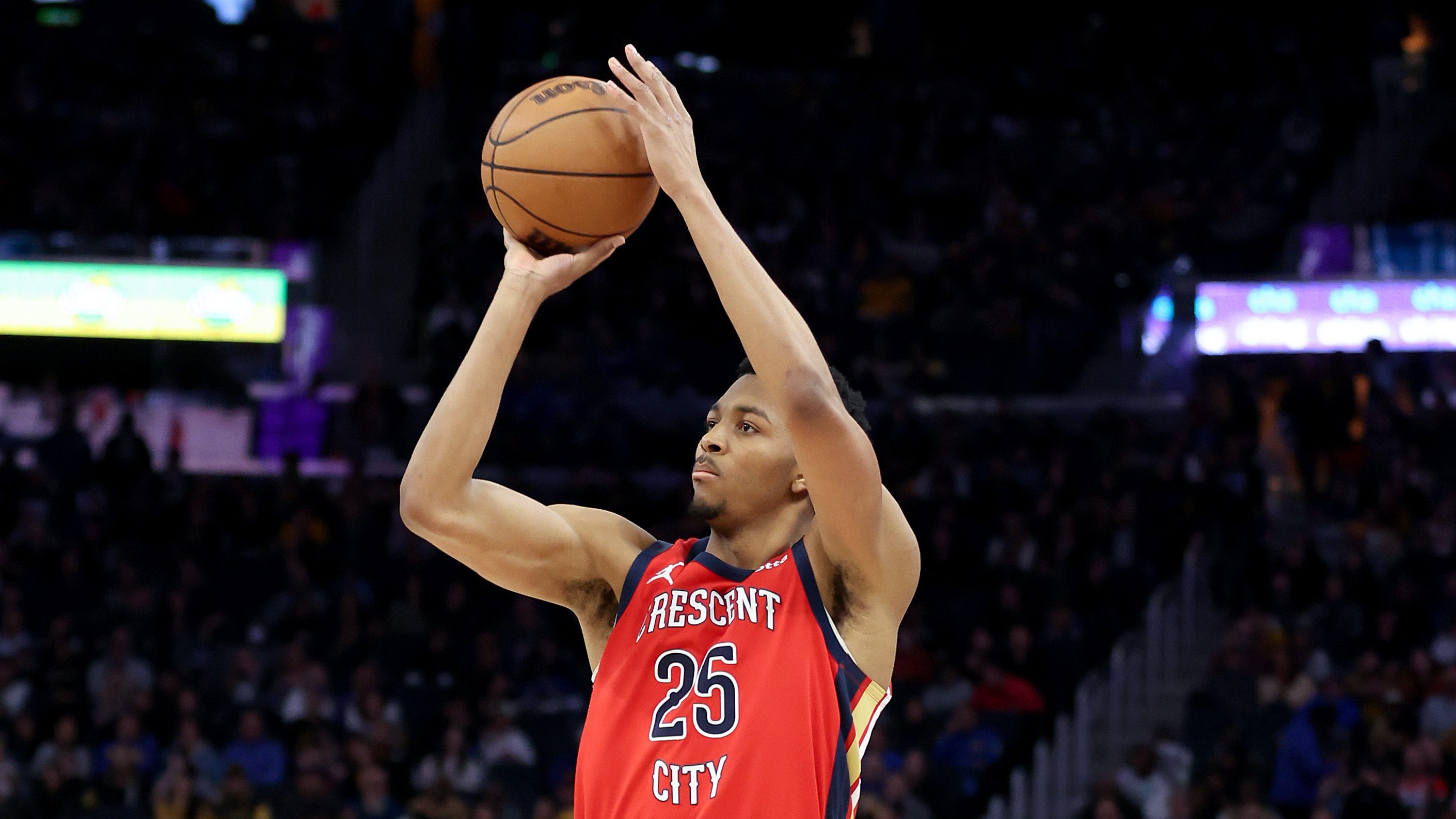
Looking ahead, the Celtics are not obligated to make a move immediately. They can maneuver at their own pace, leveraging the $27.7 million traded player exception (TPE) accumulated in the Anfernee Simons deal. This TPE, together with other financial tools, provides the flexibility to pursue additional players without exceeding cap constraints. Notably, Paul George’s trade kicker waiver lowered the immediate cap impediment, allowing Boston to pursue targets while staying under the luxury tax apron by a comfortable margin. If the Celtics decide to bring in a player like Herb Jones from New Orleans or Keldon Johnson from San Antonio, they would need to part with some combination of current players and draft assets. Such moves would be contingent on aligning salary, positions, and long-term roster construction with the team’s strategic plan.
In contemplating potential targets, the Celtics could explore wings and versatile forwards who can contribute immediately while also fitting into a long-term framework. The possibility of sending out a player like Sam Hauser in conjunction with a draft pick could open the door to a player who can contribute in the starting lineup or provide extra depth off the bench. However, any such decision would require careful evaluation of fit, contract status, and the team’s broader chemistry.
It’s important to note that asset-based strategies carry risk, especially when a franchise makes a high-profile move that reshapes expectations. The front office’s challenge is to translate draft capital into tangible on-court improvements. The organization’s philosophy appears to be balancing immediate competitiveness with future upside, ensuring that the team remains flexible enough to capitalize on favorable market conditions or to pivot in response to evolving dynamics in the league.
As the season progresses and the trade deadline approaches, Boston will likely reassess its position. The window created by these picks does not expire quickly, and the team could choose to act closer to the deadline if a compelling opportunity arises. The ability to add a dynamic playmaker or two-way wing could significantly enhance the roster, especially if injury patterns or performance fluctuations create new needs.
In summary, while the Brown trade catalyzed a widespread reaction, it also opened a path for strategic expansion through draft capital and cap-flexible mechanisms. The Celtics’ front office is betting on the combination of premium future assets and flexible financial tools to power a series of calculated moves—whether that results in a bold, singular swing or a sequence of well-timed acquisitions that collectively elevate the team’s competitive trajectory. The coming months will reveal how the new asset base translates into on-court success and long-term viability for a franchise determined to stay competitive in a rapidly evolving league.