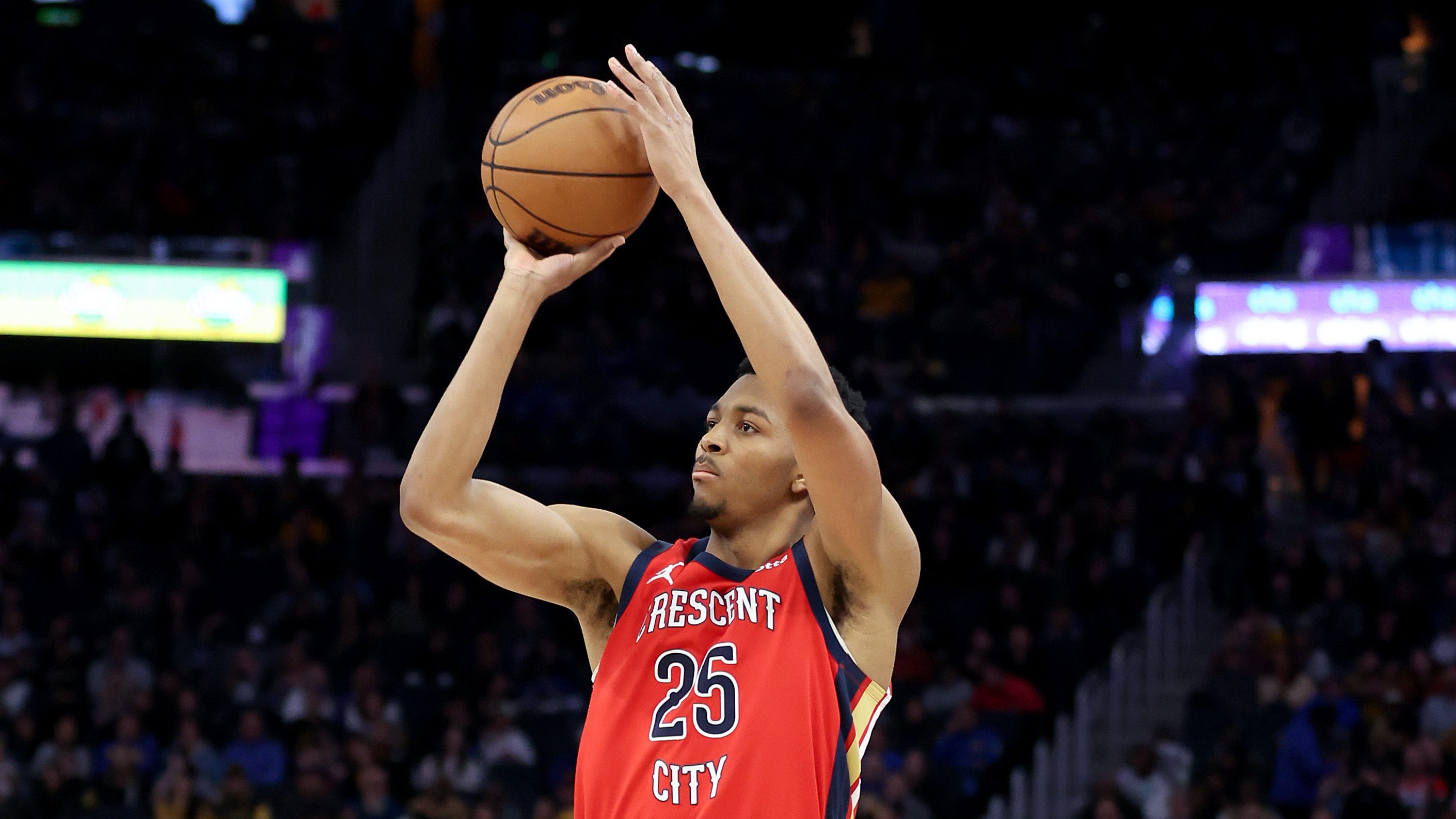
A three-team scenario has circulated as a potential path to finalize the roster, involving Peyton Watson from Denver via sign-and-trade, and Daniel Gafford from Dallas, to serve as Doncic’s defensive wing and a reliable backup center, respectively. In this hypothetical framework, Watson would arrive as a versatile 6-foot-8 defender with playmaking ability, while Gafford would provide a familiar pick-and-roll partner who already understands Dončić’s timing and needs on lobs, short rolls, early seals, and weak-side dump-offs. This pairing would bring a more balanced starting unit: Dončić, Reaves, Watson, Mamukelashvili, and Kessler, with Grimes, Sexton, Gafford, and surrounding pieces providing added depth off the bench.
Under this proposed framework, the compensation and destinations could look like this:
– Lakers receive: Peyton Watson via sign-and-trade and Daniel Gafford
– Nuggets receive: P.J. Washington, Jake LaRavia, Jarred Vanderbilt, and a 2030 second-round pick (via a 76ers arrangement)
– Mavericks receive: Dalton Knecht, Cameron Johnson, Jaden Hardy, plus two 2031/2032 second-round picks (via Wizards), fueling a youth-forwarded revival around Cooper Flagg
Why the Lakers would pursue this route
For Los Angeles, adding Watson would inject a defensive wing who can defend multiple positions and provide gravity on the perimeter without requiring the offense to pivot away from Dončić’s playmaking flow. Gafford would complement Dončić with a vertical lob threat and interior presence, helping the offense by keeping a rim-running big on the floor at all times. This would reduce the need to overextend Mamukelashvili as a traditional backup five, particularly in rougher matchups.
Watson’s emergence last season—averaging near 15 points, almost five rebounds, and roughly 2 assists per game with strong shooting splits—made him a strong case study for a starting-caliber wing with size and versatility. If the Lakers can navigate the salary-matching constraints and retain enough depth, upgrading from Jarred Vanderbilt to Watson could be viewed as a meaningful step toward a more competitive, two-way lineup.
Why the Nuggets might entertain this
Denver would consider Watson in any sign-and-trade discussions if his next contract proves too rich to retain. While the franchise has historically aimed to keep Watson, sign-and-trade options could become attractive if matching offers becomes untenable. The team would also reassess Washington as a reinforcement option: a sturdy forward who brings size, rebounding, and defense, though his shooting from three-point range has fluctuated. The possibility of trading Watson and Johnson could provide the Nuggets with more spacing and younger depth, particularly if the incoming pieces can seamlessly integrate with Jokic, Murray, Gordon, and the rest of the core.
Why the Mavericks would accept this
Dallas has been looking to reset around Cooper Flagg and younger pieces, aiming for improved shooting and flexibility. Gafford’s presence would be a logical pivot in a frontcourt crowded by Morez Johnson, Dereck Lively II, and other young talents. Washington’s role, while valuable, has been inconsistent due to defensive fit and ankle-related absences. If the Mavericks can extract Cam Johnson’s floor-stretching ability—shooting around 43% from three last season—and combine it with Knecht’s upside and Hardy’s versatility, they’d be layering in much-needed spacing and developmental pieces for a younger, more dynamic roster. Johnson’s shooting would be particularly valuable for Flagg’s development, giving him ample open looks and space to attack.
In this construct, Cam Johnson stands out as a key prize for the Mavericks. His elite shooting would serve as a vital spacing anchor for Flagg and Lively, allowing Dallas to run more dynamic actions and spacing for Dončić, should he still be part of the team. Knecht provides a youthful, two-way candidate who could grow into a more consistent contributor, while Hardy adds bench scoring and familiarity with the organization.
Final assessment
From a basketball perspective, the Lakers would emerge with a clearer upgrade across multiple positions: a defensive wing to complement Dončić’s playmaking and a mobile rim-protector who can anchor a playoff-ready lineup. If salary logistics can be navigated, this tweak aligns closely with the modern blueprint for a contending team around Dončić—two-way wings, vertical bigs, and a coherent bench that contributes meaningful rotations.
For the Nuggets, the framework hinges on Watson’s contract value. If the price tag becomes unmanageable, the proposed package could be a viable path to preserve a competitive core while adding depth and flexibility. For the Mavericks, this scenario offers a more sensible rebuild, prioritizing shooting, young talent, and cap-friendly contracts to support a longer-term plan around Cooper Flagg and other young pieces.
In evaluating a purely basketball context, the Lakers would be the primary beneficiaries in this outlined framework, gaining a defensive wing and a familiar big man to support Dončić’s offense. Denver’s outcome depends heavily on Watson’s next contract, while Dallas appears to gain the most coherent, policy-friendly path to a more balanced and versatile roster with an eye toward long-term growth. As negotiations unfold, this framework represents a thoughtful, multi-team approach to reshaping rosters around a superstar while maintaining flexibility and depth.