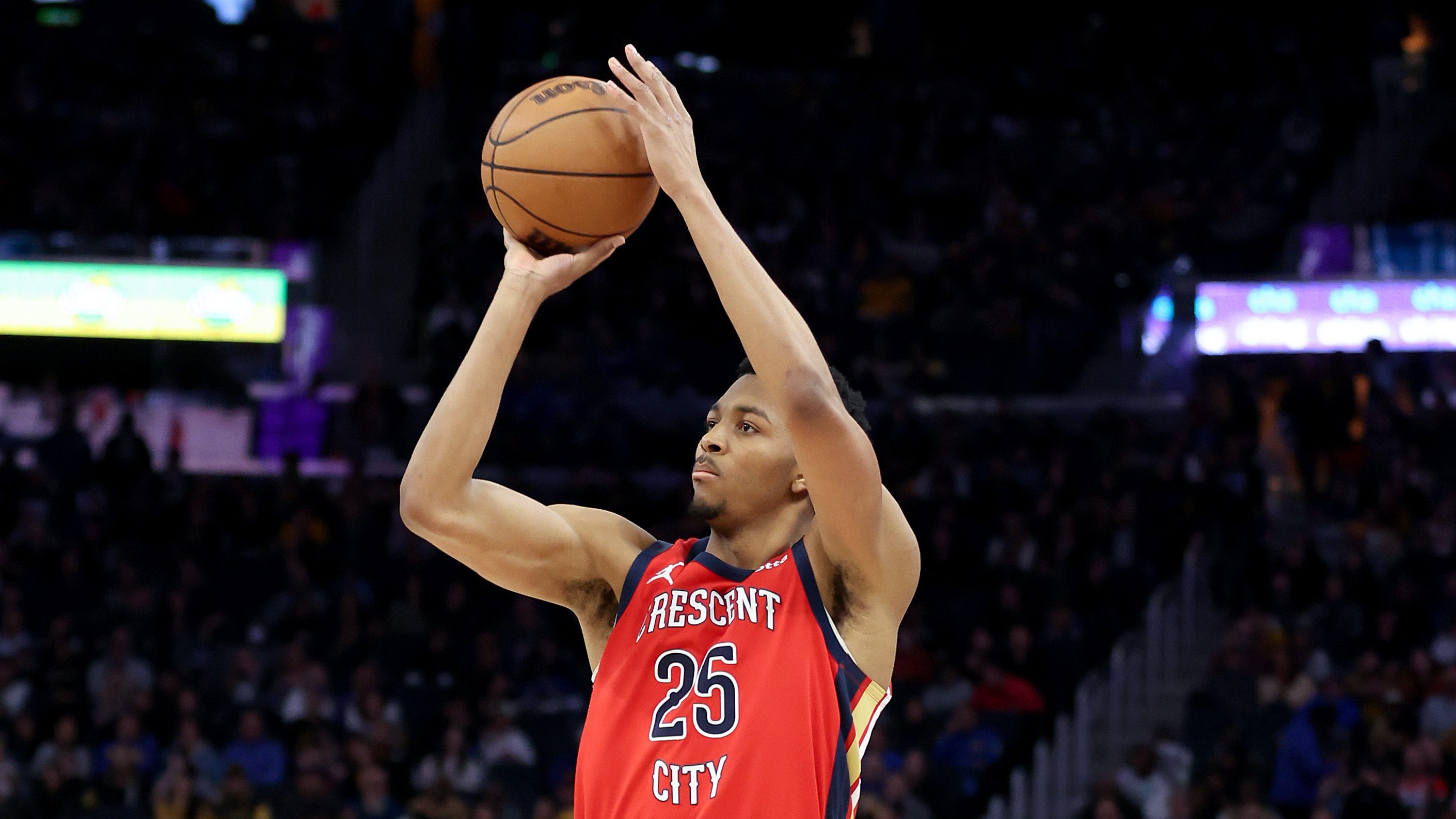
The Hornets’ offseason was among the most dramatic in recent memory. In rapid succession, the team moved two of its brightest talents. LaMelo Ball was sent to the Minnesota Timberwolves in exchange for Naz Reid, an unprotected 2033 first-round pick, three future first-round pick swaps, and three second-round picks. Shortly after, Miles Bridges was traded to the Phoenix Suns in exchange for Grayson Allen, Royce O’Neale, and an unprotected 2029 first-round pick.
Rather than pursuing a quick rebuild, Charlotte appeared intent on redefining its identity. Ball had long been viewed as the franchise cornerstone. In the previous season, he posted 20.1 points, 7.1 assists, and 4.8 rebounds per game across 72 appearances, shooting 40.7% from the field and 36.8% from three-point range. The Timberwolves were looking to complement Anthony Edwards with a capable secondary playmaker and achieved a dynamic, young duo in Ball and Edwards.
Miles Bridges, too, had a productive season with averages of 17.1 points, 5.8 rebounds, and 3.2 assists, while shooting 46.0% from the floor and 33.3% from three. The Suns were seeking a solution to forward depth and flexibility, landing a versatile two-way wing in his prime.
The public framing by analysts suggests there was more beneath the surface of these trades. Both Ball and Bridges faced off-court challenges in the past, which factored into the broader evaluation of how the Hornets would navigate their future. Ball had recent off-court incidents, and Bridges had legal and league-related distractions as well. Those considerations likely weighed on management’s decision to pursue a reset beyond conventional rebuilding.
From a performance perspective, Charlotte had shown flashes of high-level potential. The team had developed momentum late in the season, finishing with a 44-38 record and sliding into the ninth spot in the Eastern Conference. They closed the season on a 33-16 stretch, with Ball leading the offense and Bridges contributing as a key contributor. Although they were eliminated in the play-in tournament, the late-season surge underscored the talent and trajectory the franchise believed could be realized with different internal dynamics.
In summary, the Hornets’ departure from Ball and Bridges signals a strategic pivot that goes beyond roster construction. The organization appears to be prioritizing culture and locker-room discipline, betting that a healthier environment will enable the franchise to realize long-term improvements. The moves represent a complete philosophical reset, reflecting a commitment to altering the internal climate as a foundation for future success.