Jonas Valanciunas stands out as the most high-profile option. In the latest season with the Denver Nuggets, the veteran center posted 8.7 points, 5.1 rebounds, and 1.2 assists per game while shooting an efficient 58.2% from the field. He is entering the final year of a three-year, $30.2 million deal and will earn about $10 million next season, with only $2 million guaranteed. With the trade deadline approaching, Denver could either waive him or pursue a move to maximize value. This situation keeps teams like the Lakers on alert, as Valanciunas’ durability and physical presence would provide a solid backstop for the second unit and give Walker Kessler more rest. However, the path to a deal is complex. Valanciunas has substantial value, and a direct acquisition could require a broader package or concessions from Denver. There is also a potential wrinkle: reports linked his future to a return to Europe with Zalgiris Kaunas if a fallback agreement materializes. For the Lakers, the upside is clear—an established, physical rebounder who can anchor a second unit and contribute inside—though the likelihood hinges on Denver’s willingness to move him and what they seek in return.
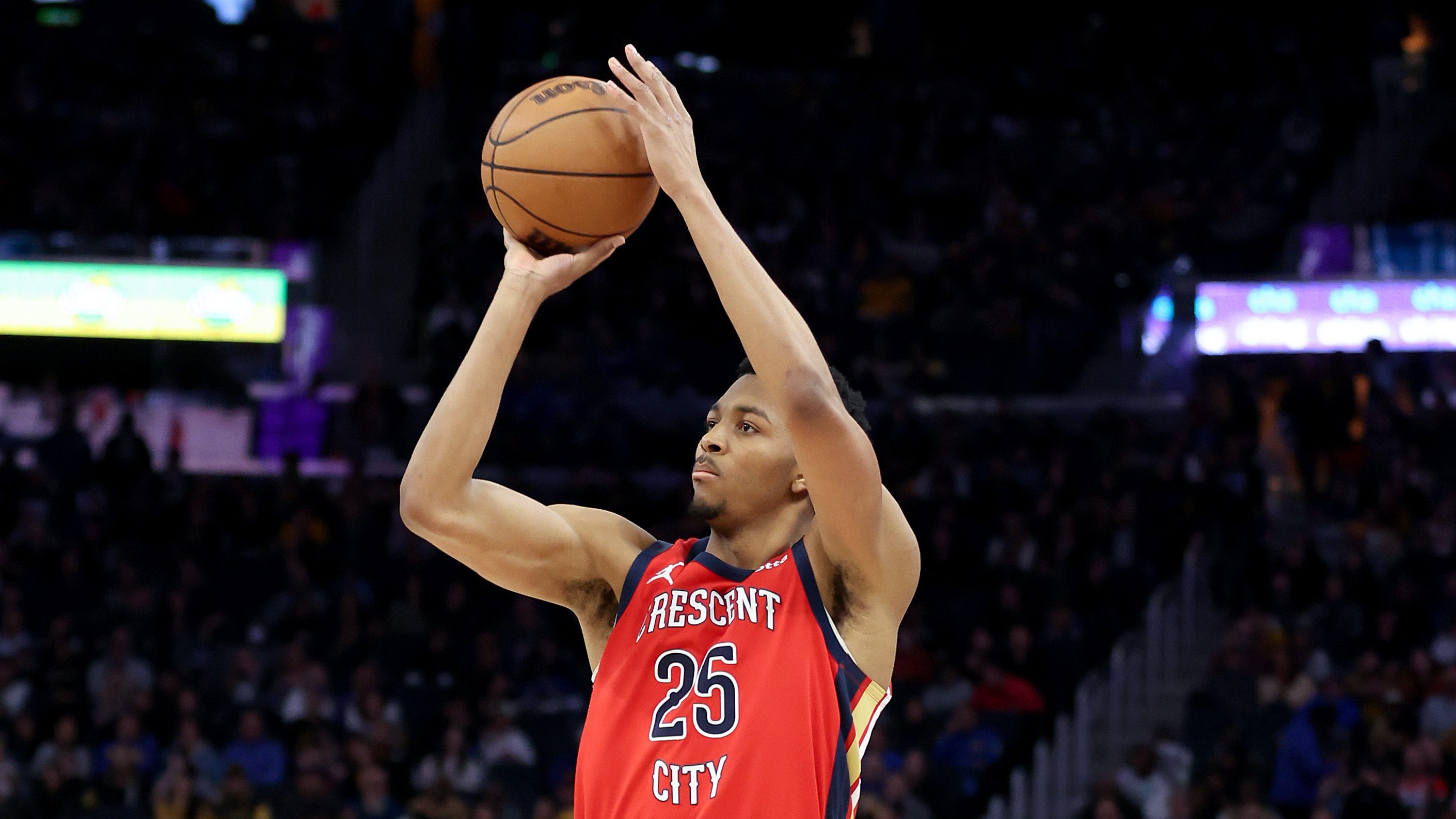
Kevon Looney represents the most practical, cost-controlled target. After the New Orleans Pelicans declined his $8 million team option, Looney entered unrestricted free agency. His 2022-23 season was disrupted by injuries, limiting him to 21 games, but his impact during peak years remains undeniable. A repeat of his Golden State Warriors-era efficiency—especially on the offensive boards and as a defensive anchor—would be valuable in a Lakers rotation that’s prioritizing depth and ruggedness up front. Looney’s asking price, given his track record and championship pedigree, would likely be modest relative to his value, making him a realistic, low-risk addition. If the Lakers need to stretch the cap or consolidate space, Looney’s contract demands and availability align well with a team seeking a dependable role player who can contribute immediately without compromising future flexibility.
Moussa Diabate is the youngest and perhaps the most speculative option. The 23-year-old had a productive season, averaging 7.9 points and 8.7 rebounds per game while demonstrating efficiency with a 63.1% field goal percentage and a 50.0% mark from three-point range. The Charlotte Hornets place high value on his potential, and he has one year left on his current deal, with $2.6 million due. Additionally, Diabate is eligible for a three-year, $51 million extension. Landing him would require a combination of development upside and a favorable financial structure, which could be complicated by the Lakers’ limited tradable assets and cap space. The team’s lack of significant draft capital makes any deal with Diabate more of a long-term bet than an immediate fix, placing him as the least likely among the three options in the short term.
Cap space and financial maneuvering remain pivotal. The Lakers currently have a small amount of cap room after their active free agency period. To create more breathing room, the team could consider salary-dump strategies, such as moving Jarred Vanderbilt’s contract. If a partner isn’t found for a trade, they could explore waiving and stretching Vanderbilt’s deal, which would unlock roughly $7.3 million in space. That would push the Lakers toward a comfortable surplus, potentially edging their cap space above the $9 million range, depending on other roster moves and protections.
The most straightforward path appears to be Kevon Looney, given his historical fit, championship experience, and the likelihood of a reasonable price. Valanciunas remains the most intriguing due to his size, reliability, and proven production, but the logistical barriers tied to Denver’s willingness to move him complicate a quick resolution. Diabate offers high upside but would require a more creative route to land, possibly involving unforeseen trade partners or a larger rotation reshuffle.
In summary, the Lakers’ ongoing roster evaluation centers on three practical options for a backup center: Valanciunas, Looney, and Diabate. Looney is the most immediately attainable and sensible fit, Valanciunas is the ceiling-raising yet potentially challenging target, and Diabate represents a longer-term development project with a more complex transactional path. As the offseason progresses and trade deadlines approach, the Lakers’ front office will weigh these choices against cap implications, potential trade assets, and the team’s evolving chemistry to determine the best complementary piece to pair with Walker Kessler and maximize the depth and competitiveness of the roster.