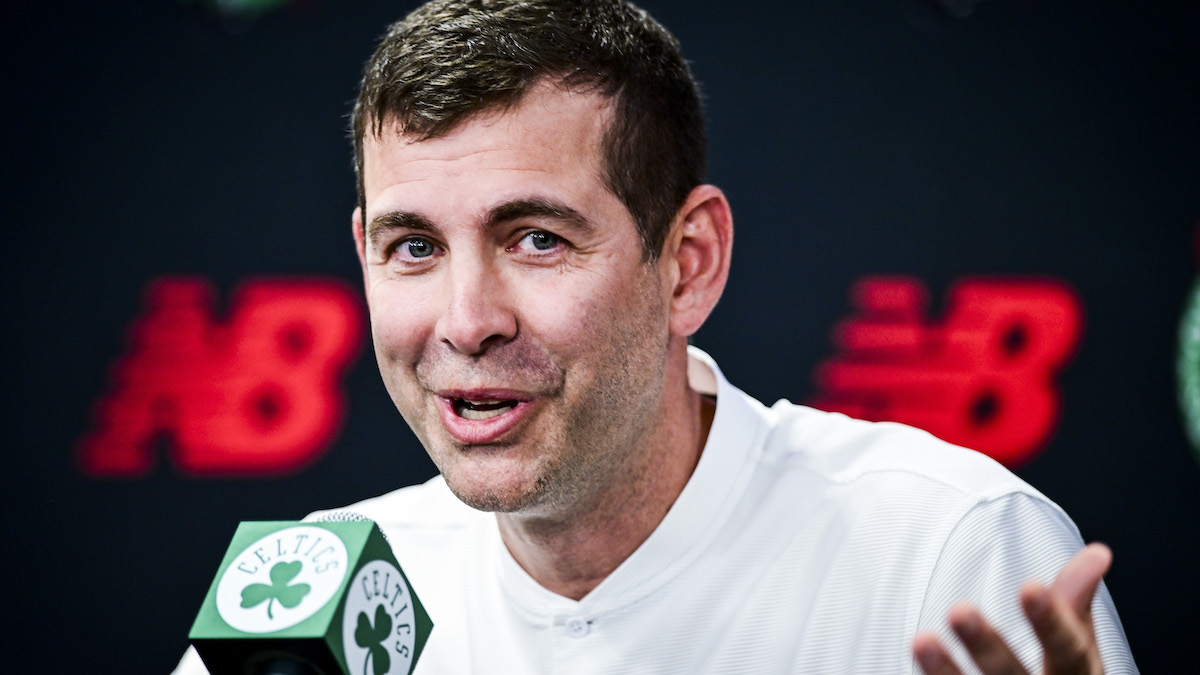
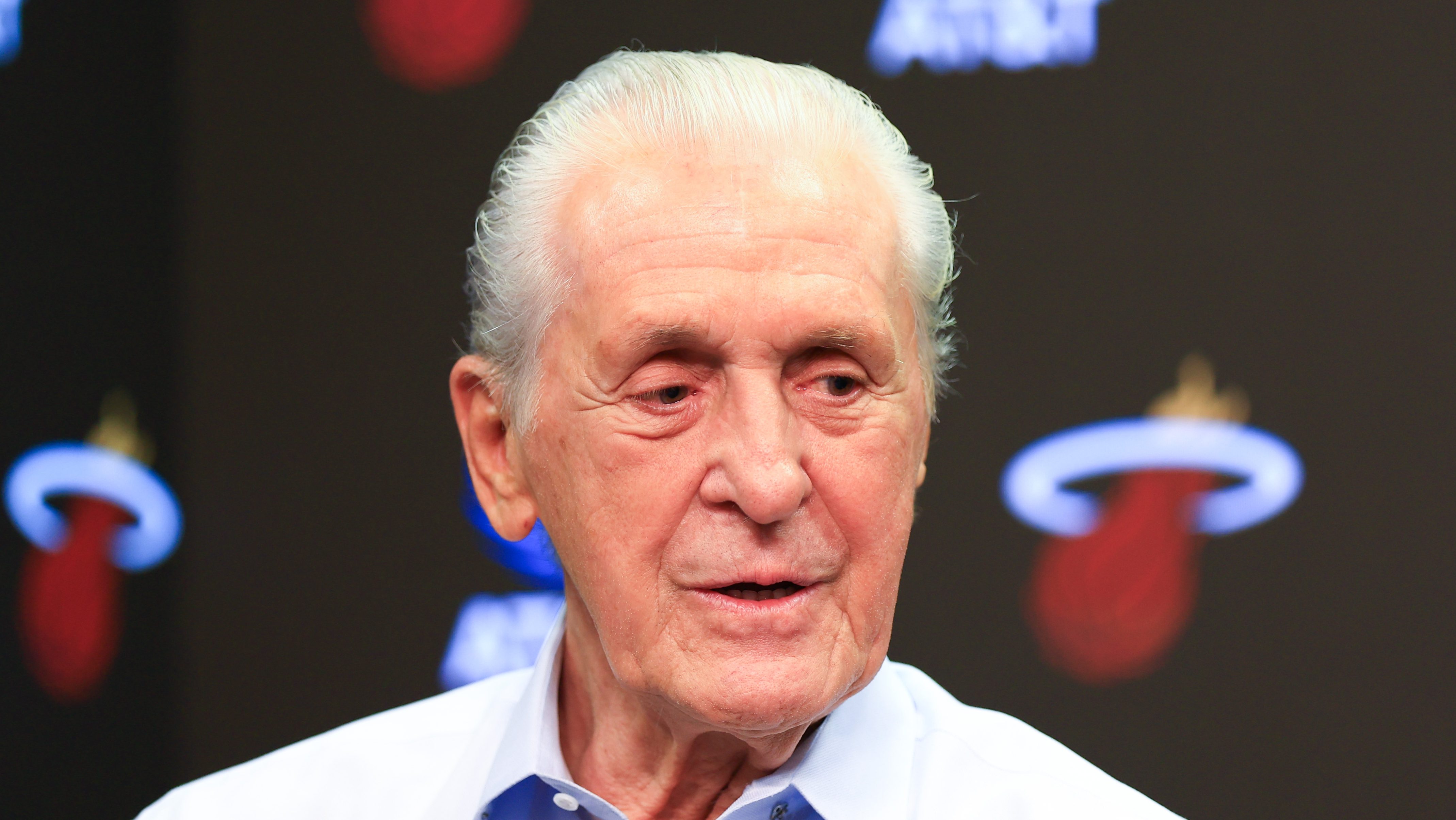
At the center of the ripple effects is Jayson Tatum, Brown’s longtime partner-in-crime and the Celtics’ current franchise cornerstone. By moving Brown, Boston signaled a clear shift in its organizational direction: this is now Tatum’s team. Yet reactions to the trade have varied, and one notable voice inside the Celtics circle raised even more questions about the timing and fit of this decision.
Public commentary suggested that the move was driven by long-term strategic considerations rather than a simple desire to shake up the roster. Brown was coming off what was arguably his best individual season, posting strong numbers across the board. He carried a heavy load for Boston while Tatum dealt with a torn Achilles tendon, stepping up as a leading scorer and primary option. When Tatum returned, he immediately reaffirmed his standing as one of the league’s premier players, prompting debates about whether Brown and Tatum could continue to thrive together as a duo.
Behind the scenes, the willingness to part ways with Brown appears to reflect concerns about how well Brown and Tatum could co-exist in the future. There were ongoing conversations about chemistry, leadership, and how Brown’s approach would mesh with Boston’s evolving identity as it sought greater consistency and championship potential. While Brown’s production remained elite, the Celtics apparently concluded that the strategic upside of reorienting around Tatum—while pairing him with a refreshed supporting cast—made more sense in the present moment.
Inside the club, Tatum’s mindset in the days after the trade was closely watched. Reports indicated that he was surprised by the deal but remained focused on channeling that energy into preparation for the upcoming season. The challenge now for Tatum is to establish himself as the unequivocal leader of the team and to guide a roster that is undergoing a significant transition. The dynamic is not simply about replacing a star with another star; it’s about redefining the Celtics’ ceiling by building a cohesive unit around a single, entrenched star.
From a roster-building perspective, the Celtics have signaled a commitment to modernization and physicality in the frontcourt. They’ve already taken steps in free agency by adding Mitchell Robinson and extending Neemias Queta’s contract, signaling an emphasis on interior defense, rim protection, and paint presence. This shift suggests Boston intends to play through the paint more, diversify its lines of attack, and improve its versatility in both the regular season and in the playoffs. If the roster can harmonize with Tatum’s skill set and the new pieces can contribute meaningfully, Boston could once again be a formidable playoff threat.
Looking ahead, the immediate question is how the Celtics will fill the gaps created by Brown’s departure. While the return package did not fully satisfy many observers in terms of star power, it does provide an opportunity for Boston to pursue another high-impact addition in the near term. The organization will likely pursue strategic fits that complement Tatum’s strengths—spacing, shooting, and defense—while ensuring depth and versatility across both wings and frontcourt positions.
For fans and analysts, the key narrative is the strategic reorientation around Jayson Tatum. If he responds with continued elite play and the supporting cast comes together, Boston could maintain its status as a playoff perennial and push deeper into the postseason. The 2026-27 Celtics are shaping up to be a team defined by a clear star-led identity, a commitment to improving the interior game, and a roster built to contend with the best in the conference.
In the near term, Boston’s success will hinge on the integration of its new teammates, the adherence to a cohesive team culture, and the ability to maximize Tatum’s prime years. The path to sustained competitiveness is clear, but it will require precise coaching decisions, smart development of role players, and a steady protective stance against potential disruptions that can arise from such a significant change. If executed well, the Celtics can capitalize on this moment to reestablish themselves as a premier force in the league.