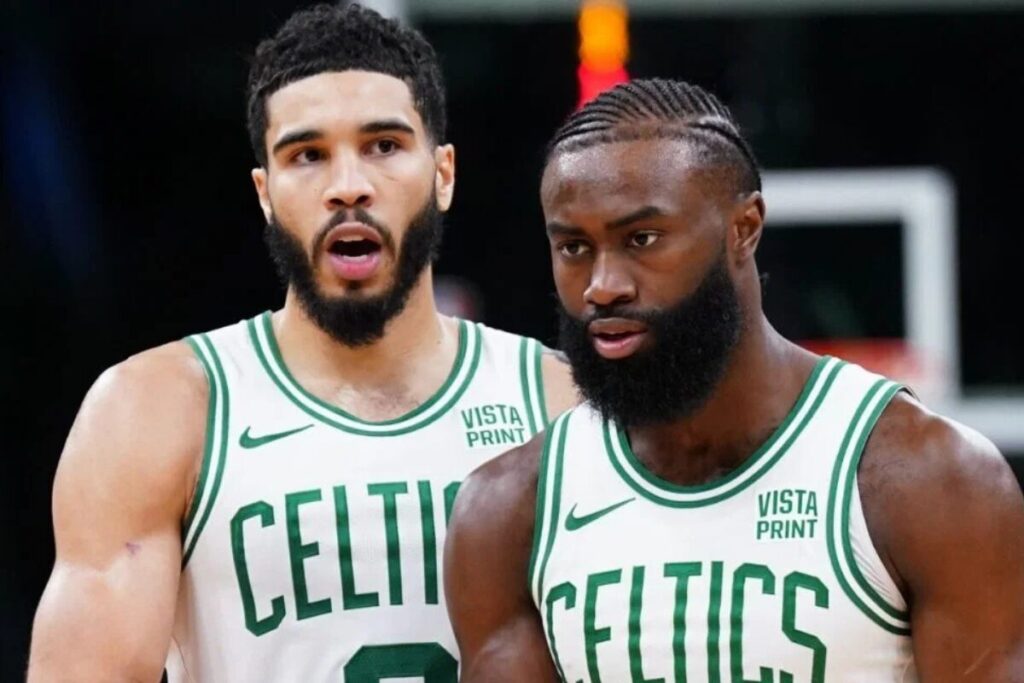
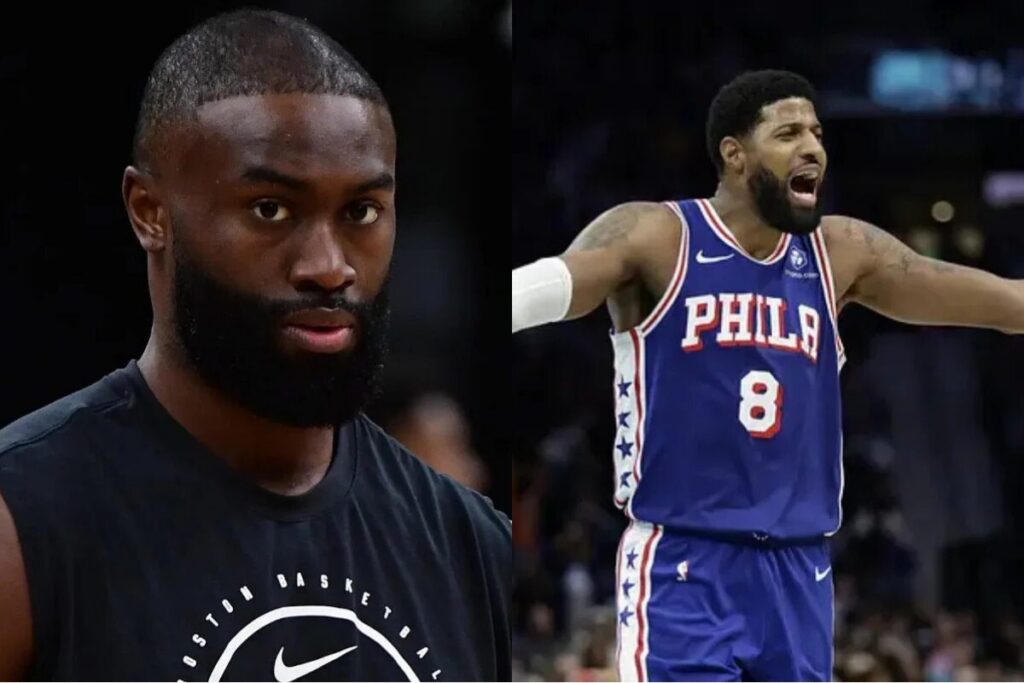
Brown made clear that his issue isn’t with basketball critique itself, but with the practice of reporting or interpreting information through unnamed sources. He argued that this approach has real-world consequences beyond the court, affecting how he is perceived by teams, fans, and the broader basketball community.
During the stream, Brown said, “I could stand up for myself, which I’ve been doing. You know, I feel like that’s a narrative that people have been using for a long time to try to attack me and my character. I could rebuttal… but what I really wanted to say to this, is we gotta stop with the anonymous sources, chat. Like I’m tired of these damn anonymous sources, like anonymous executive, anonymous source – Colin Cowherd, Bobby Marks, Stephen A. Smith. I think y’all are the sources. And if not, y’all shouldn’t even say it if it’s something that’s this ridiculous.” He emphasized the ethical concern of promoting unverified claims to a mass audience.
Brown argued that major voices in NBA media have normalized the spread of unverified information without accountability. He noted that the ongoing coverage labeled as “anonymous sources” crosses lines into personal reputation, not simply critique of performance. He urged a shift toward fact-based discussion and accountability for those presenting claims as credible without clear attribution.
In the stream, Brown also referenced specific instances and clips. He played a segment from Fox Sports’ Colin Cowherd that cited an “anonymous executive” describing him in negative terms, and he cited a remark attributed to Bobby Marks from SiriusXM NBA Radio suggesting that Brown might be viewed as the seventh-best player on a team. Brown countered that such analytics and comments should not be used to discredit a player’s value or to cast doubts about his character, especially when he has posted strong on-court performances.
The discussion extended to Brown’s relationship with the broader media landscape, including his longtime rivalries with certain personalities and the role of social platforms in addressing fans directly. He explained that using platforms like Twitch allows him to bypass traditional media channels and respond in real time, but he also urged restraint and a focus on verifiable information.
Brown linked this ongoing media friction to his transition to the 76ers, where he is now building his career alongside Joel Embiid and Tyrese Maxey. He framed his message as a pledge to protect his reputation by calling out what he sees as a pattern of reporting that relies on unnamed sources and sensational claims rather than transparent sourcing and responsible journalism.
The exchange underscores a broader conversation about ethics in sports media: the tension between critique and characterization, and the responsibility of influential commentators to avoid spreading unverified information. Brown’s confrontation represents a push for greater transparency and accountability in how players are portrayed in national discussions about their careers.
In summary, Jaylen Brown is asserting that while fans and analysts are free to critique his basketball play, they should not rely on anonymous sources to define his character. He is using his own platform to address the issue directly, signaling a commitment to engage with the public on his terms and to challenge the media practice he views as harmful and unethical. This development marks a notable moment in the evolving relationship between players, media, and fans in contemporary professional basketball.