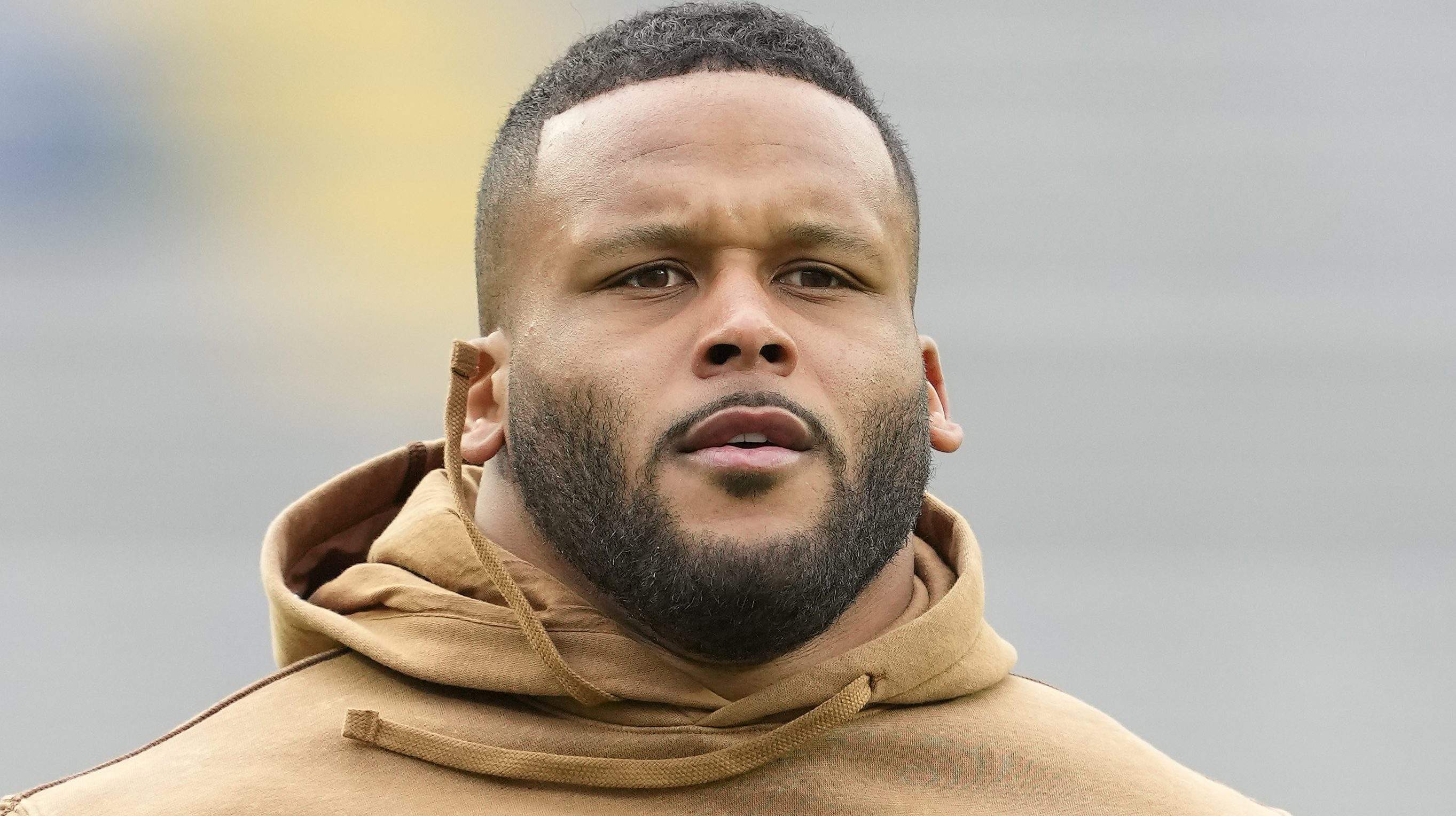
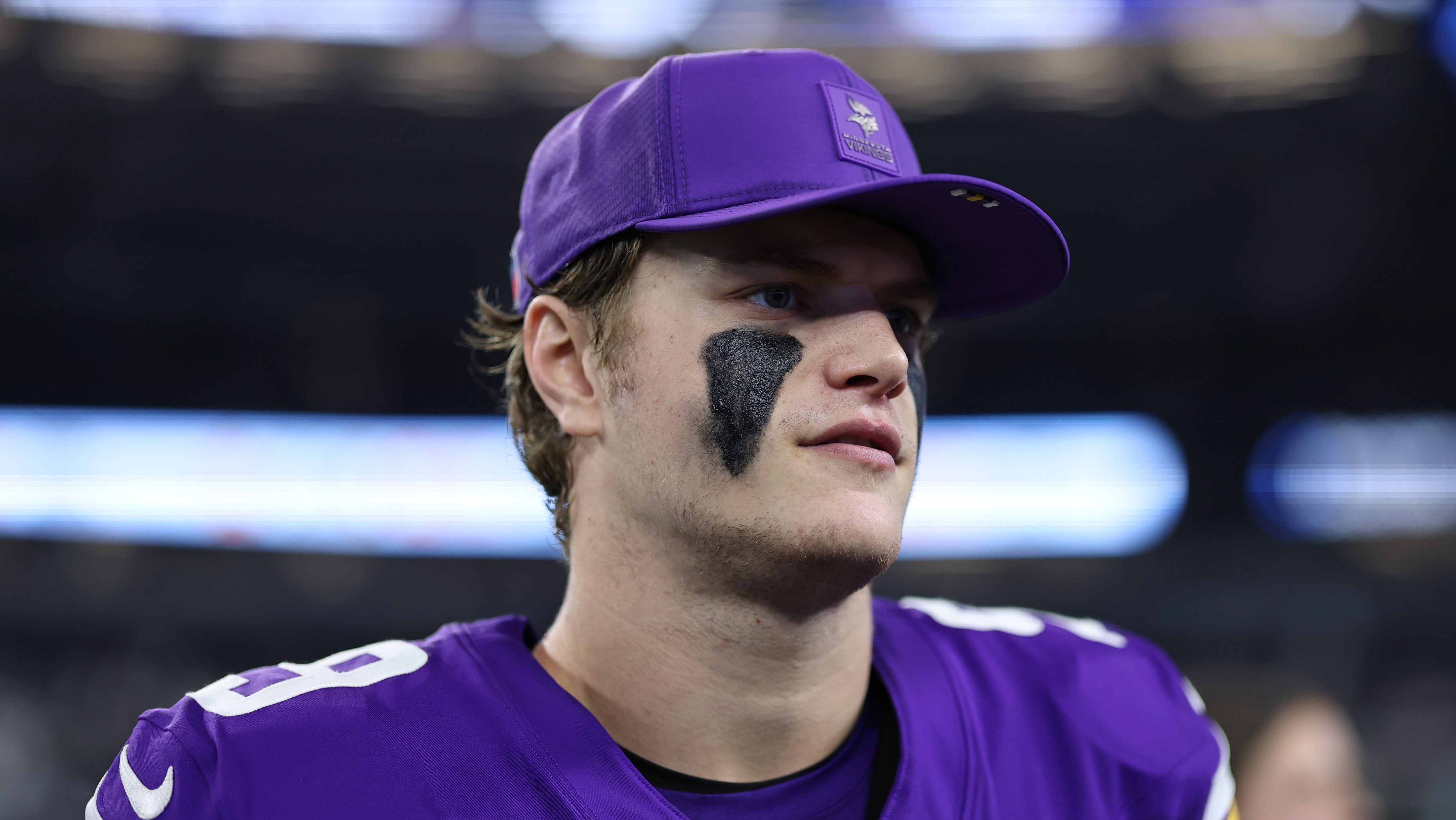
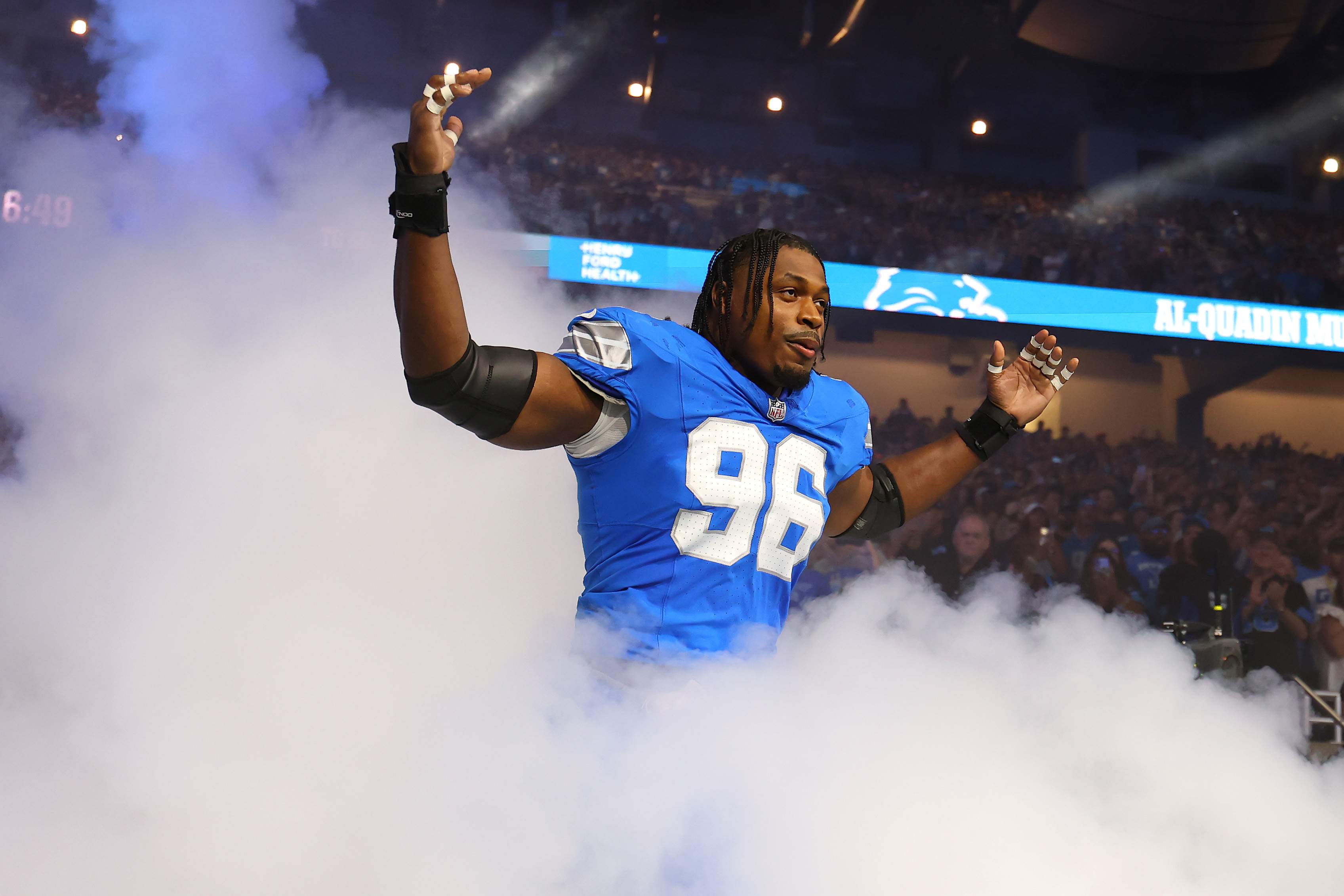
In a popular re-draft exercise, Egbuka lands with the San Francisco 49ers at the 11th overall pick. That projection leaves Tampa Bay and other teams to pivot at pick 19. In this alternate reality, the Buccaneers select an edge rusher who was not available in the actual draft: Jalon Walker. Walker produced nine starts as a rookie and finished with 5.5 sacks, signaling a potential fix for a long-standing pass-rush concern in Tampa Bay.
One analyst highlighted the challenge facing the Buccaneers in this scenario: with Egbuka off the board and Mike Evans no longer in the lineup, the team would still be wrestling with the need for a reliable edge defender. Historically, Tampa Bay has struggled to land a consistent producer off the edge, as no defender on the roster posted eight sacks in 2025. This underscores why an edge rusher like Walker could be highly appealing to a team seeking a disruptive presence on that side of the ball.
Walker, who went 15th overall in the actual draft, was rumored as a potential fit for Tampa Bay. If he had fallen to the Buccaneers in the re-draft, the team would have faced a straightforward choice between replacing Evans’ production and upgrading the edge group. In this hypothetical scenario, Walker’s availability would have forced a different path for Tampa Bay.
The actual draft saw Walker go to a different team, and a notable twist of fate occurred with the Falcons selecting James Pearce after trading up to the 26th overall pick. Pearce, who entered the league with high expectations but currently faces off-field questions, produced more on the field than Walker in that draft cycle. Still, Walker’s performance as a rookie remained a compelling argument for his inclusion in the re-draft.
Would Tampa Bay have benefited from pursuing Walker while avoiding another edge rusher in the same cycle? It’s a question that prompts broader reflection on how teams balance positional needs with draft talent. If the Buccaneers had Walker, they might have reconsidered adding another edge presence, or perhaps shifted away from other planned acquisitions. In theory, a trio of edge rushers—Walker alongside a veteran contributor and a developing defender—could form one of the league’s most dynamic front-sevens, though it might also appear overloaded on paper.
In this hypothetical, other edge talents were impacted as well. One player who went immediately after Walker in the re-draft, Derrick Harmon, went 21st in both the actual and re-draft scenarios. Harmon delivered a solid rookie season and underscored how the Buccaneers’ defensive front could always use more depth. The front seven remains a primary area of focus for Tampa Bay, especially given the ongoing need for consistent pressure on opposing quarterbacks.
Ultimately, the Buccaneers’ real-world decisions remain the baseline. The Emeka Egbuka vs. Jalon Walker re-draft exercise illustrates how a single misalignment at the top of the draft could cascade through a franchise’s early-year plans, influencing roster construction and long-term strategy. The discussion reinforces the importance of edge-rush depth in Tampa Bay’s scheme and highlights how teams evaluate potential fits based on both immediate impact and future development.
Key takeaways:
– Edge rushing remains a top priority for Tampa Bay, given the historical difficulty in producing double-digit sack totals from the roster.
– Walker’s rookie performance suggests he could have provided a meaningful answer on the edge, potentially altering the Buccaneers’ approach to free agency and the overall pass-rush rotation.
– Draft simulations like this reveal how interconnected picks can be, sometimes reshaping team-building logic beyond the immediate selections.
If you’re tracking how teams value edge players and how re-draft scenarios could influence real-world moves, this kind of analysis offers a useful lens into the delicate balance between immediate needs and long-term development on defense.