Trade chatter has intensified around several rising wings and seasoned stars, with teams weighing value against long-term plans. One forward who has drawn heavy interest for months is Trey Murphy. The New Orleans Pelicans have reportedly sought a package comparable to four first-round picks, but industry sentiment suggests a three-pack could be enough to pry him loose. Murphy’s combination of shooting, speed, and contract value—three years for roughly $87 million—has earned him serious consideration from multiple contenders. While some rival front offices note Murphy’s upside and fit, others caution that the Pelicans’ asking price could shift as negotiations unfold. Among Western Conference teams, the comparison to recent Brown-type deals serves as a barometer for how high teams might set their sights.
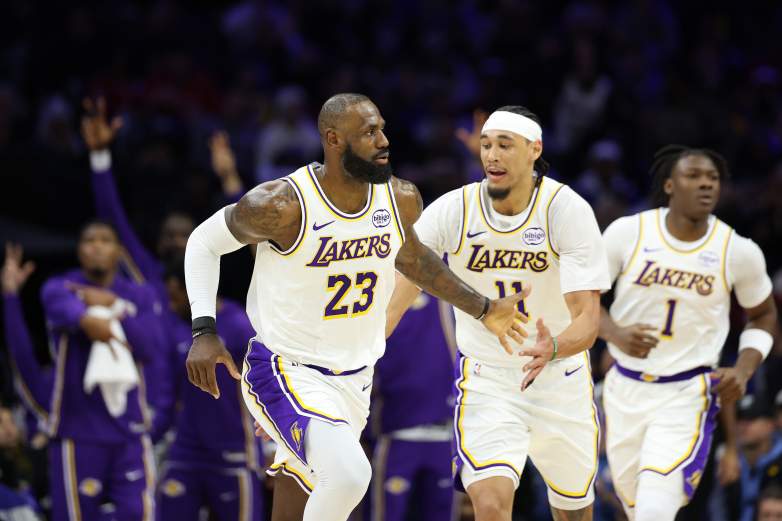
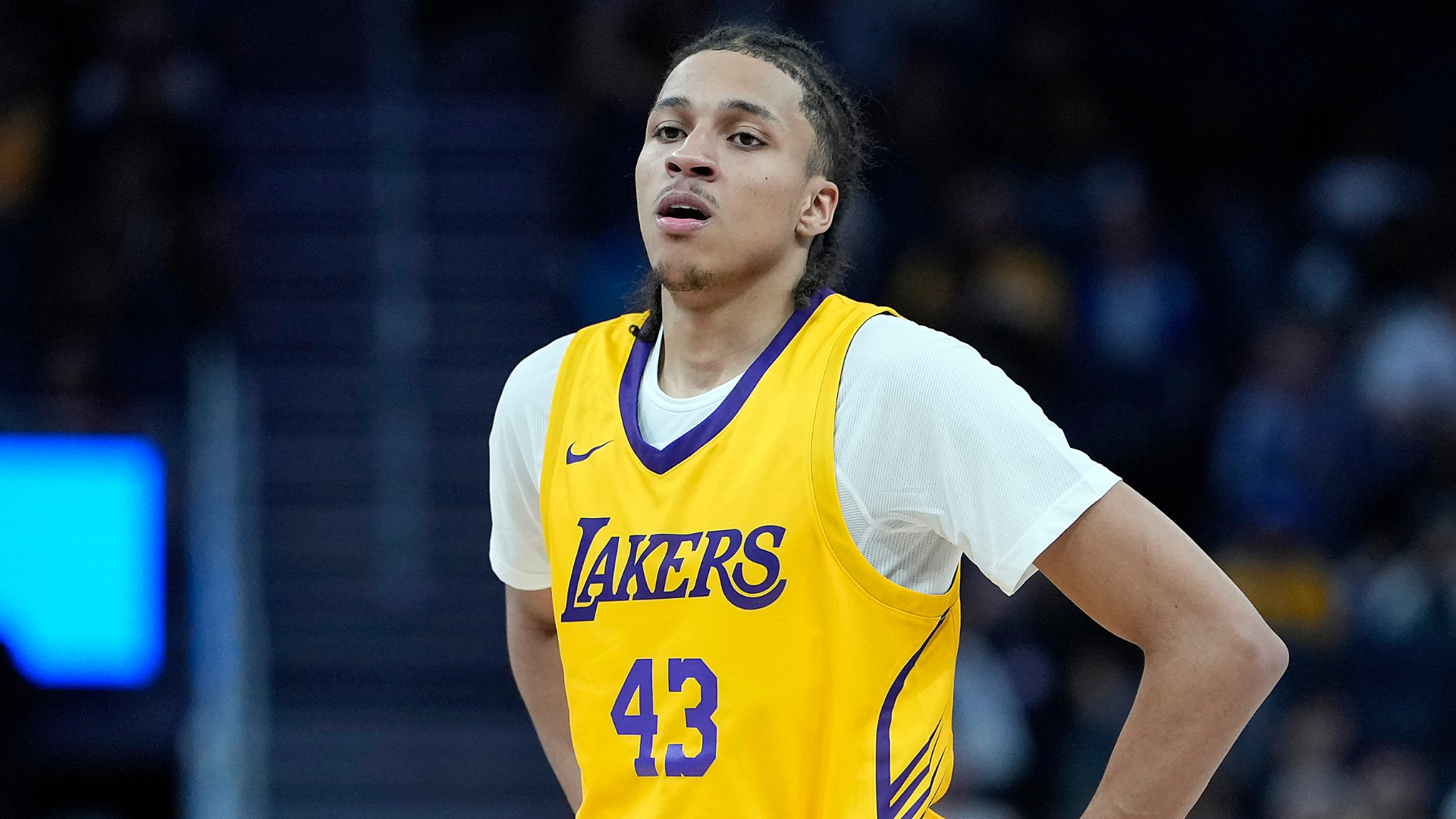
Meanwhile, cap logistics continue to shape major moves. The Los Angeles Lakers, after recent signings, must maneuver to stay compliant with salary rules. Sign-and-trade plans involving LeBron James or Rui Hachimura are off the table due to a change in how the club can manage player contracts under the league’s cap framework. Instead, the Lakers are evaluating options to shed salary, including potential moves to unload Jarred Vanderbilt or a player like Dalton Knecht to free up space and ensure all new deals meet the league’s requirements. With surplus picks acquired in prior trades, the team could attach two second-round selections to a salary-dump strategy to reduce next year’s cap hit and avoid future tax concerns.
Cleveland’s Cavaliers, meanwhile, are weighing veteran depth additions while keeping a close watch on the LeBron James pursuit. Cleveland believes it holds a strong position among teams chasing the two-way star, thanks to its depth and top-end talent. While a blockbuster star move remains a possibility, the front office is also considering how a veteran presence could bolster rotation versatility without sacrificing long-term development.
The market’s biggest headline-grabber remains Anthony Davis. The Washington Wizards, who acquired center Deandre Ayton in a prior deal, have signaled a willingness to explore options around Davis, though they have not shown a strong urgency to move him. If the Wizards decide to pursue a broader rebuild, Davis could become a notable asset in a larger framework, but any deal would need to align with a clear, long-term plan and include valuable compensatory pieces, including future picks and flexible contracts. The Warriors, traditionally patient in trade negotiations, face a twofold challenge: determining whether a deal is palatable for the Wizards and evaluating how any potential agreement would fit into the broader roster strategy and salary structure.
Anthony Davis aside, several other marquee names are circulating in trade conversations. The Erik type of blockbuster—where teams reframe their core by swapping multiple pieces—has cooled slightly, but the appetite for impactful two-way players remains high. For example, rumors around Kawhi Leonard’s potential move to Toronto have receded after a major deal sent Brandon Ingram and multiple first-round picks to the Clippers in a separate blockbuster. With deals of this magnitude, executives weigh immediate impact against long-term flexibility, knowing that expensive contracts require a careful balance of talent, depth, and peak performance.
Looking at notable additions and potential exits, several teams are exploring a mix of proven veterans and promising young players. For instance, the Timberwolves’ frontcourt options have generated intrigue after a series of moves, including strategic reconfigurations that swap draft capital for on-court impact. The demand for versatile bigs who can defend the rim, space the floor, and contribute in transition remains high, pushing front offices to evaluate a range of candidates from established stars to promising up-and-comers.
On the Eastern Conference side, teams like Boston and Philadelphia are recalibrating after recent trades. Boston, having reconfigured parts of its rotation, faces questions about how best to optimize surrounding pieces for a championship run. Philadelphia, with a focus on sustaining momentum, weighs combining experienced leadership with younger players who can grow into larger roles. The goal across these teams is to assemble a balanced roster that maximizes star talent while preserving depth and flexibility for playoff runs.
Several players frequently mentioned in trade discussions are those who can provide scoring, floor spacing, and defensive versatility. For example, teams are eyeing players who can stretch the floor, defend multiple positions, and contribute meaningful minutes as rotation pieces. When evaluating any potential swap, front offices assess not just immediate production but also how a player’s contract aligns with long-term budget plans and the organization’s competitive arc.
In terms of the broader strategic outlook, much attention this offseason centers on cost-controlled talent with high upside and veterans who can stabilize and elevate a roster during crucial stretches of the season. The trade market remains active, with clubs probing the balance between maintaining core continuity and pursuing higher ceilings through strategic acquisitions.
As summer league approaches, the pace of rumors may intensify, but real movement often lags behind initial buzz. Teams will likely wait to confirm how they want to allocate cap space, preserve future flexibility, and determine whether certain players fit their long-term visions. With several high-profile contracts and potential extensions on the table, the next wave of trades could hinge on a handful of pivot points: the willingness of teams to part with key assets, the appetite for extending veteran leaders, and the strategic value of acquiring young, cost-controlled talent who can grow into cornerstone roles.
For fans tracking the latest in player movement, these developments underscore a core theme of the current NBA landscape: teams are more willing than ever to exchange substantial assets to reposition for sustained success. The offseason will continue to unfold with more rumors, more reports, and, inevitably, more deals that reshape the competitive balance across the league.