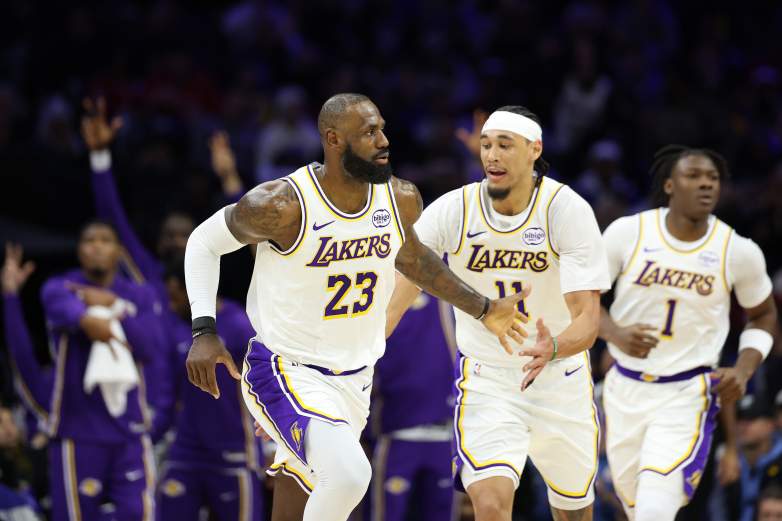
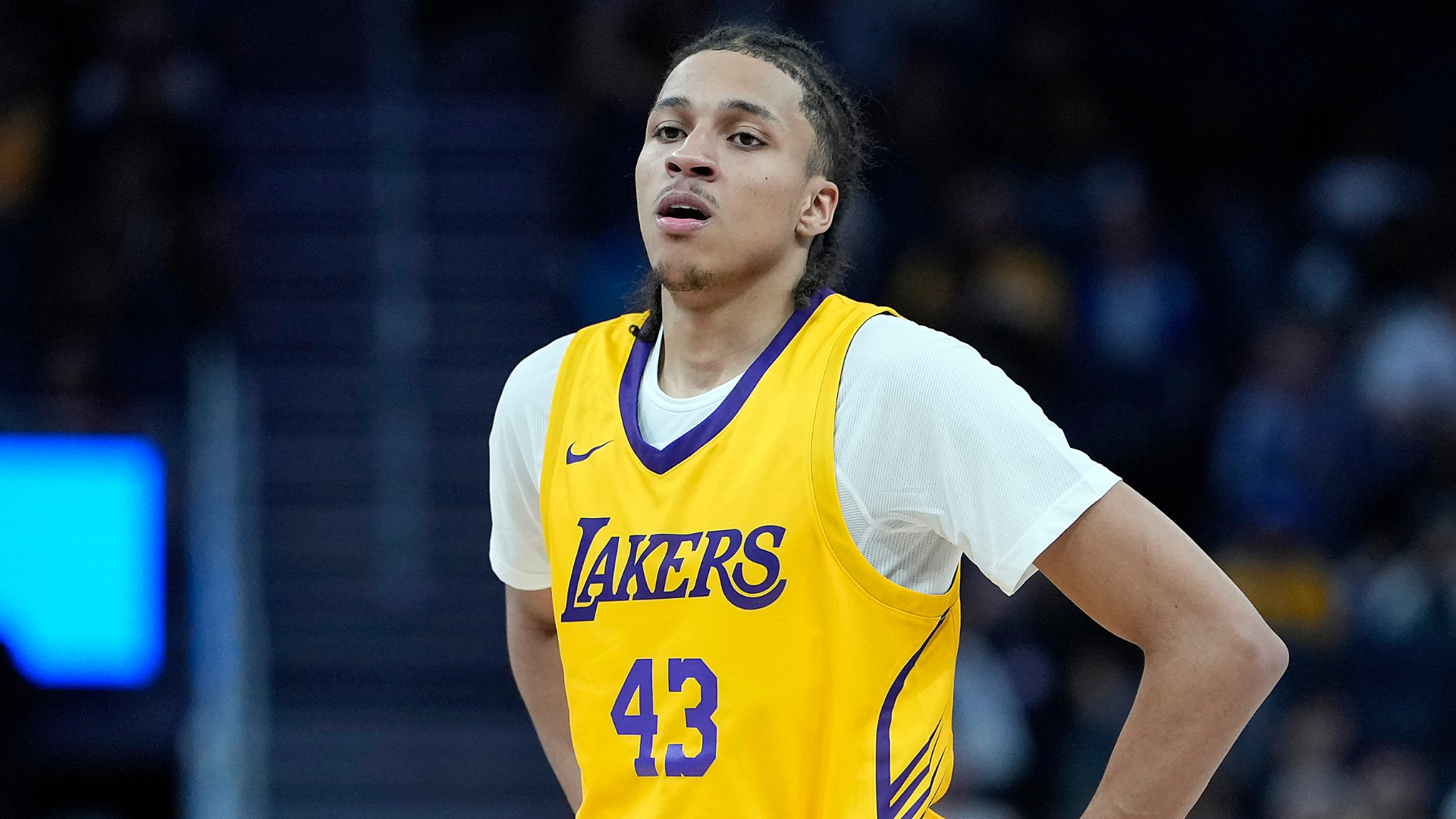
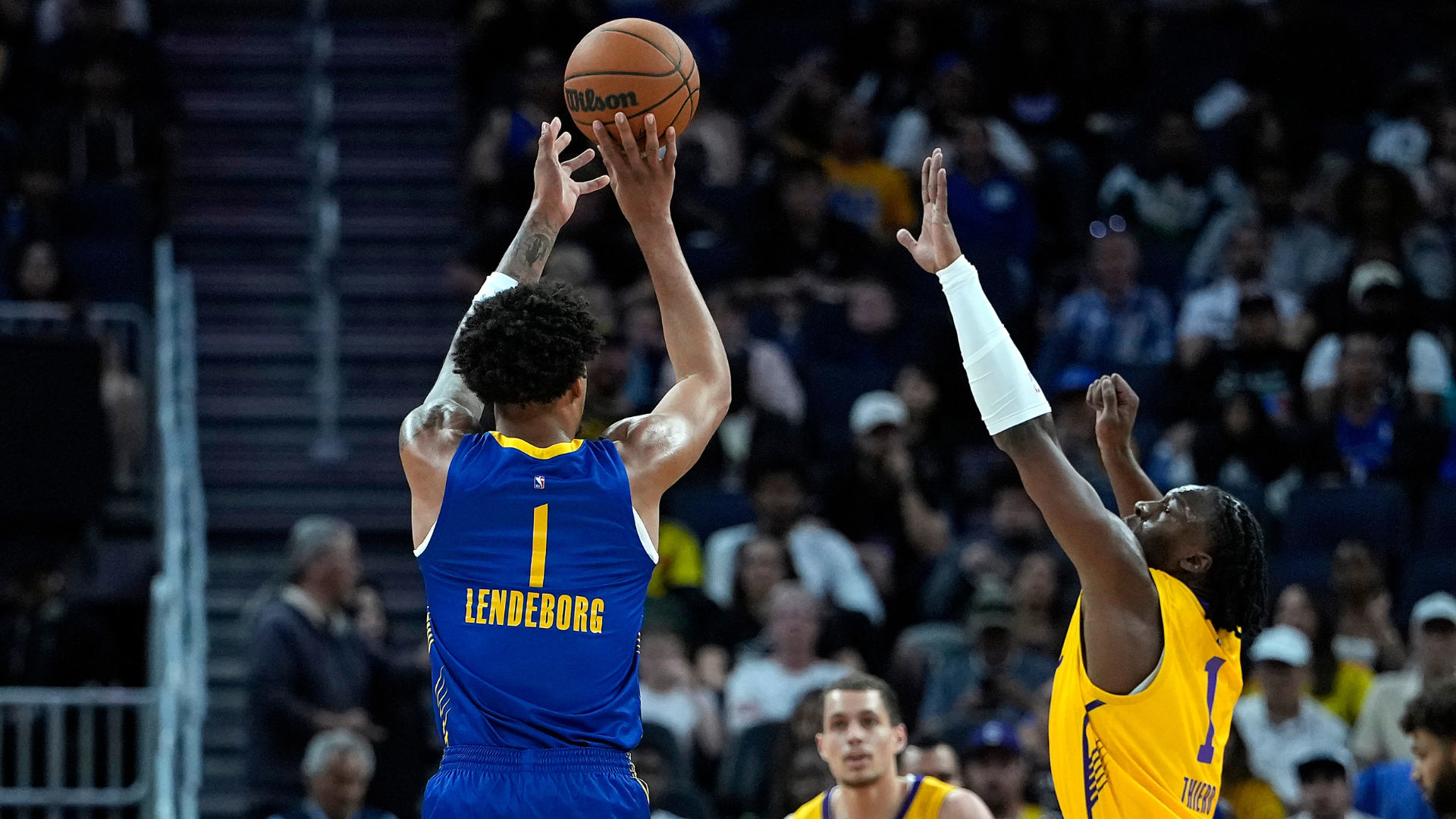
In this hypothetical framework, Detroit would acquire Kevin Durant while shipping out a trio of players to match salaries and balance the roster. The package under consideration includes Duncan Robinson, Caris LeVert, and a young rotation piece. After some adjustments to the proposed framework, a related version surfaced that would swap in a different prospect to account for evolving team needs. The central idea remains unchanged: Detroit would add Durant’s elite scoring and playoff experience to a lineup already featuring Cunningham and Duren, creating a dynamic trio that could become one of the Eastern Conference’s most talented groups if the fit proves seamless.
Durant remains one of the league’s most effective offensive players, even as he approaches the latter stages of his prime. His two-year, approximately $90 million contract with a potential player option offers a balance of short-term commitment and salary-matching flexibility, which could be attractive to a team like Detroit that is navigating payroll considerations while aiming to maximize its window with a young core. If a move materializes, the Pistons would need to manage luxury tax implications carefully, given the presence of Cunningham and Duren on potential max-level trajectories.
From a strategic standpoint, adding Durant would be less about aging star reclamation and more about accelerating the team’s competitive timeline. He brings elite wing scoring, deep playoff experience, and a proven ability to create offense for himself and others. In Detroit, Durant wouldn’t necessarily assume the primary scoring load or the de facto leadership role; instead, he would complement Cunningham, who is rapidly developing into a primary initiator and two-way presence. Duren’s development as a protected pick-and-roll finisher and interior anchor would be enhanced by Durant’s gravity on the perimeter, potentially opening more driving lanes and secondary opportunities for the Pistons’ younger players.
There are practical considerations to weigh. Trading multiple role players to acquire Durant would leave the Pistons with a thinner rotation, which could impact depth and sustainability over an 82-game schedule plus a deep playoff push. The trade would also test the balance of youth and experience. Durant’s veteran presence could accelerate the maturation of Cunningham, Duren, and others, helping to address a noted inexperience that the team faced in recent postseason pursuits. In a city with a growing fan base and a renewed sense of momentum, pairing a star of Durant’s caliber with a young core could catalyze a faster return to meaningful basketball in the Eastern Conference.
Another factor is fit. Durant’s preferred style — a versatile scorer who operates effectively on and off the ball — would mesh well with Cunningham’s playmaking and Duren’s inside presence. With the right supporting cast, Detroit could generate efficient spacing and high-scoring outputs while maintaining a strong defensive framework. The on-court chemistry would be essential; the coaching staff would need to tailor schemes to maximize both Durant’s offensive talents and the developing two-way impact of Cunningham and Duren.
Beyond the on-cloor dynamics, the potential addition would carry symbolic significance. Durant’s arrival would signal Detroit’s ambition to contend sooner rather than later and could attract additional veteran presence or complementary players who value a competitive, aspirational environment. For a franchise rebuilding its identity, bringing in a Finals MVP-caliber talent would set a clear tone: the Pistons intend to capitalize on their growing foundational pieces while adding expertise and star-level firepower.
Durant’s recent career trajectory has demonstrated resilience and a high level of performance when healthy. His presence could help the Pistons navigate the Eastern Conference’s increasingly competitive landscape and offer a reliable scoring option in late-game situations. The impact would extend beyond the box score, potentially influencing opponent scouting, defensive attention, and the pace at which Detroit develops its younger players’ decision-making and playoff-readiness.
In assessing such a move, it’s also important to consider long-term implications. While the immediate upside is undeniable, the Pistons would have to plan for cap health and roster balance once Durant’s contract edges toward its later years. This means identifying supplementary pieces who can contribute without exacerbating tax concerns and ensuring that the supporting cast around Cunningham, Duren, and Durant remains versatile, balanced, and capable of adjusting to varying playoff scenarios.
In sum, the proposition of adding a veteran scorer of Durant’s caliber to Detroit’s young core presents a compelling avenue for accelerating the team’s rise. It combines elite wing scoring with a seasoned champion who can mentor developing stars and help the franchise establish a stronger, more consistent path to postseason contention. If the logistical and financial considerations align, such a move could mark a defining step in Detroit’s ongoing rebuild, offering fans a glimpse of a brighter, more competitive era in the near future.