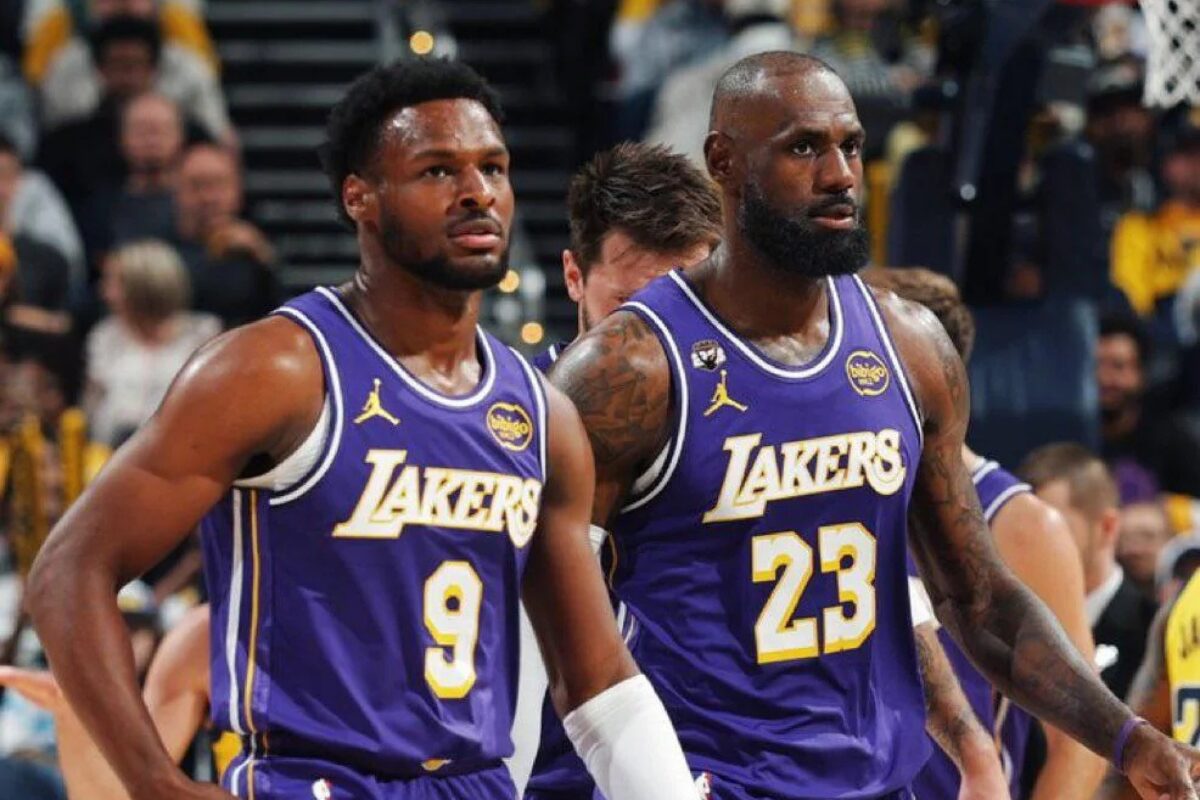
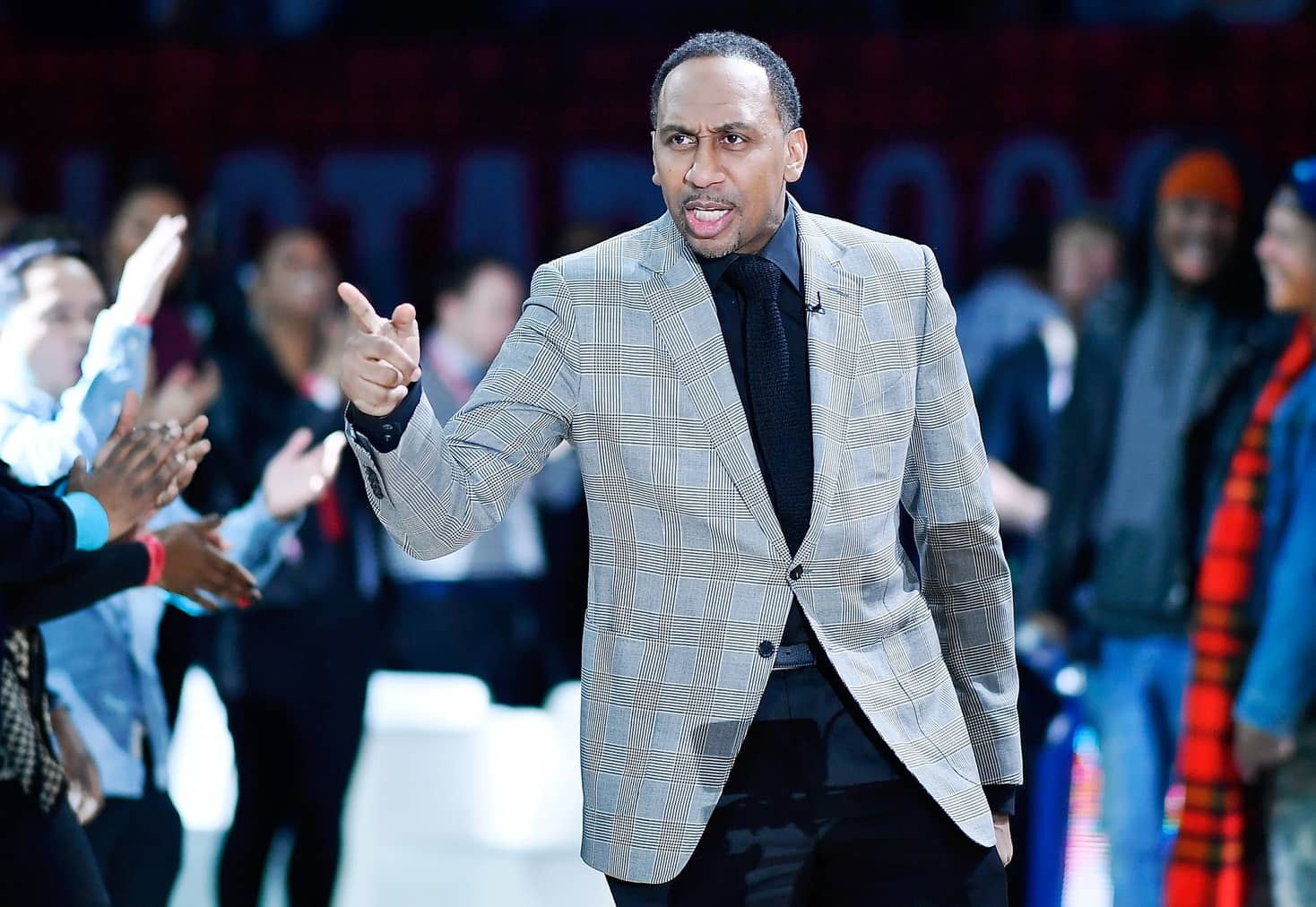
During a radio appearance, the former Lakers captain asked bluntly whether Doncic is still involved in front-office decisions. The commentary wasn’t about the most recent signings alone, but about whether the team’s governance reflects Doncic’s preferences as a rising global star. The discussion highlighted recent roster additions intended to complement the core—with players added to the 2026-27 roster that fans and analysts have watched closely. The central issue, however, remained: how much say does the player wield in shaping the team’s direction, and how does that compare to the era dominated by LeBron’s tenure?
Supporters and critics have long debated whether LeBron’s presence on a franchise equates to direct control over personnel moves. Critics have framed every trade or signing as a product of his influence, while supporters argue that the organization’s leadership is capable of operating independently, guided by performance analytics and strategic priorities. The latest conversation suggests the Lakers are navigating a landscape where Doncic’s wants—specifically, an elite, high-caliber center—are receiving heavy consideration in the front office. If true, this would place Doncic alongside LeBron in terms of what the team is willing to pursue to maximize competitive potential.
Beyond the immediate personnel questions, the broader issue is whether the Lakers’ front office dynamics have evolved. For years, discussions about LeBron’s impact on the team’s direction colored public perception, with debates about whether decisions were driven by his influence or by a more independent management approach. The departure of one era can lead to speculative questions about whether the new direction represents a shift—or if the Franchise’s approach remains consistent, simply reflecting a different set of leadership and a new generation of players driving the agenda.
Amid these debates, it’s important to assess the reality of how decisions are made. Front-office executives must balance the desires of star players with long-term team-building goals, cap constraints, and the strategic vision of ownership and management. A center-focused addition aligns with common basketball logic: a dominant interior presence can change defensive schemes, rebounding efficiency, and two-way scoring dynamics. Whether that move is led by player input or by a broader organizational strategy, the outcome has implications for how teams are built and how fans perceive accountability and agency within the franchise.
As the Lakers move forward, the key questions remain: to what extent does star power translate into decision-making leverage, and how will the front office reconcile player requests with broader organizational priorities? The evolving narrative around LeBron’s legacy and Doncic’s influence underscores a larger trend in professional sports where players at the top of the game increasingly shape roster construction. Yet the ultimate measure of success will be on-court results, championship contention, and sustained competitiveness over the coming seasons.
In the end, the Lakers’ latest moves appear to reflect a willingness to address a core demand for a true A-list center, signaling a blending of star expectations with front-office decisional authority. Whether this marks a lasting shift in how decisions are made or simply represents a natural evolution of a franchise adapting to a changing leadership landscape remains to be seen. One certainty persists: the conversation around influence, ownership, and accountability within the team will continue to captivate fans and analysts as the Lakers chart their path in a highly competitive league.