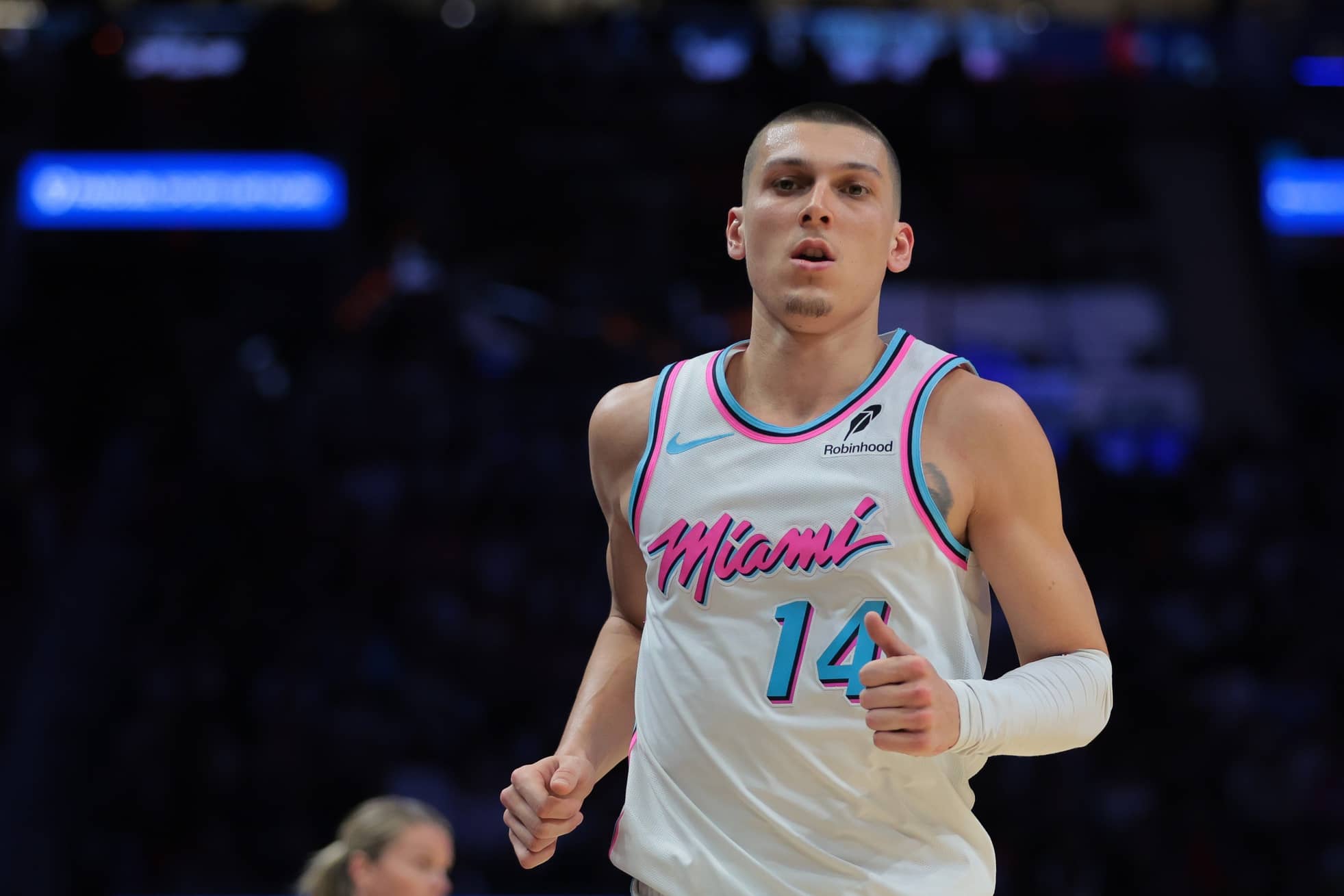
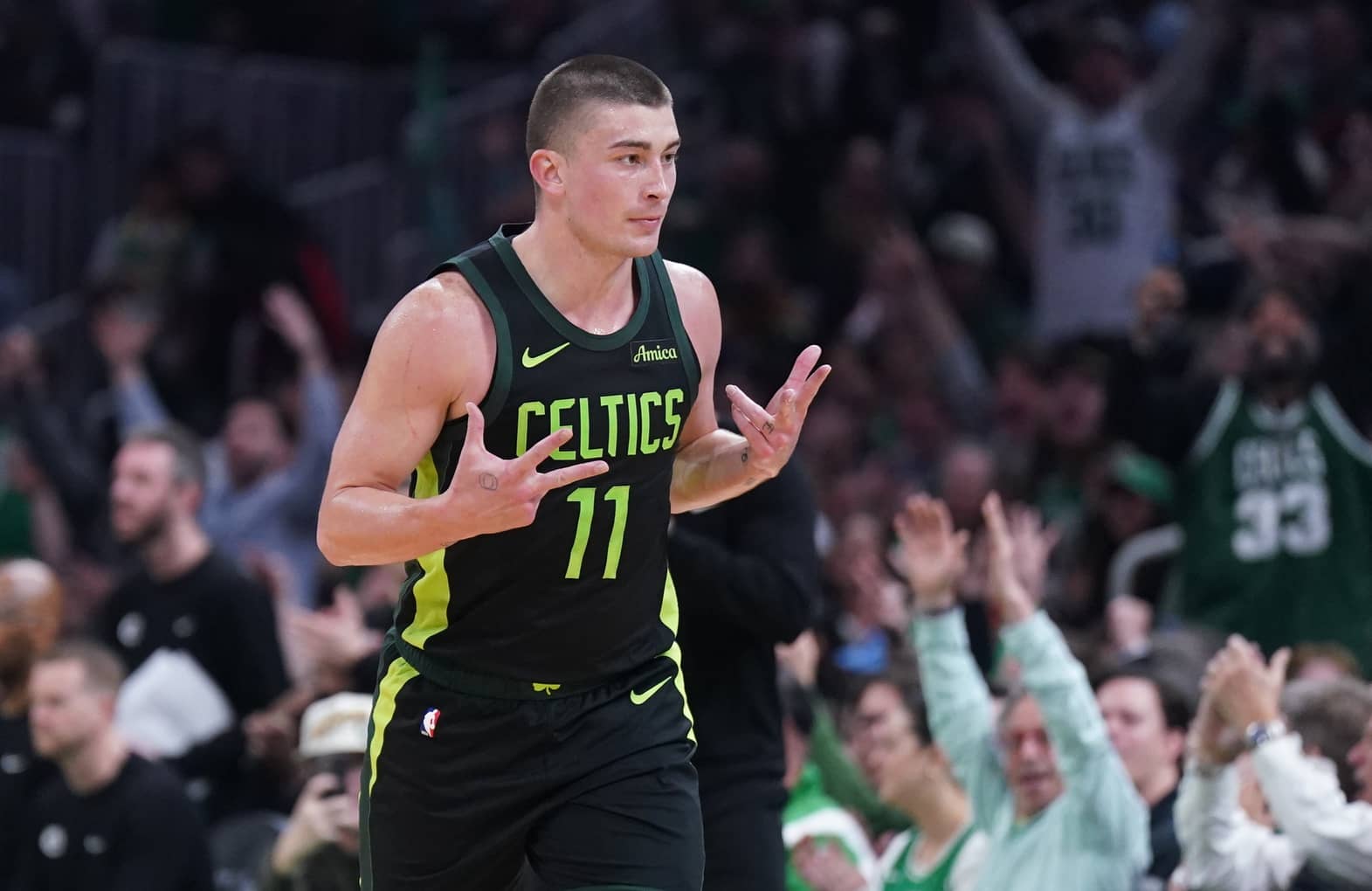
According to announcements, Jaylen Brown, formerly a star for Boston, has been traded to the Philadelphia 76ers in exchange for Paul George, plus multiple future draft assets: a 2028 first-round pick, a 2031 first-round pick, a 2028 second-round pick, and a 2030 second-round pick. This trade marks a blockbuster move between two long-standing Eastern rivals and dramatically reshapes the balance of power in the conference.
At 29 years old, Brown has established himself as a champion, Finals MVP, and five-time All-Star. Last season, he appeared in 71 games and averaged 28.7 points, 6.9 rebounds, 5.1 assists, 1.0 steal, and 0.4 blocks per game, shooting 47.7% from the field and 34.7% from three.
Initially, there was uncertainty about the 76ers’ interest in Brown. Early discussions leaned toward other contenders, with several teams rumored as potential destinations. As talks progressed, the Celtics recognized Brown’s true trade value and ultimately moved forward with a deal that provided a substantial return in terms of future draft assets.
Brown joins a 76ers squad that already features Tyrese Maxey, V.J. Edgecombe, and Joel Embiid. After finishing 45-37 and placing seventh in the East last season, the 76ers defeated the Celtics in the first round but were swept by the Knicks in the Conference Semifinals. The arrival of Brown gives Philadelphia another high-caliber scorer and a strong defender to matchup with the league’s top wings, enhancing their championship chances and continued title contention.
For Boston, the reaction centers on the return. Paul George, a nine-time All-Star, remains a prolific scorer, but at 36, he is viewed by many as a reclamation project rather than a long-term centerpiece. He is owed a significant salary over the next two seasons, which adds complexity to evaluating the deal. Despite the contract concerns, George posted 17.3 points per game last season, and there is optimism within the organization that he can contribute effectively within their system.
The draft compensation is the focal point of the Celtics’ return. The package includes two first-round picks and two second-round picks, increasing Boston’s chances to reload through the draft and potentially accelerate a rebuild. Some observers considered the return underwhelming for a championship core that had achieved substantial success together, given Brown’s production and impact.
Ultimately, the trade signals the end of an era for both Brown and the Celtics. For Brown, the move places him in a new environment with different expectations and opportunities to influence the East’s pecking order. For Boston, the deal opens a path toward retooling around new futures and potential breakout talents through the added draft capital.
As the season approaches, all eyes will be on how Brown integrates with the 76ers’ system and how Boston leverages the added draft assets to shape its roster for the near future. The Eastern Conference landscape has undeniably shifted, promising compelling competition and high-stakes matchups in the months ahead.