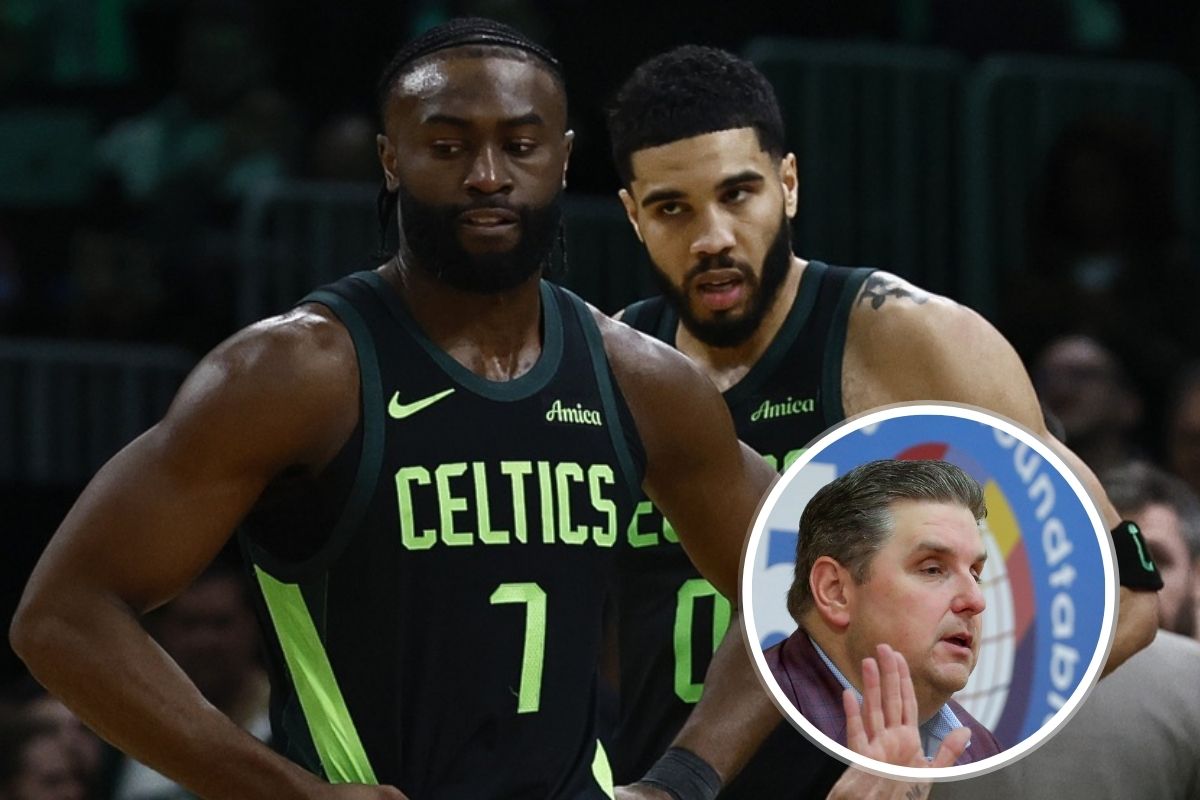
Love for Brown’s character is clear. The analyst said he bears no ill will toward Brown, praising him as a talented, intelligent, and generally decent person. He stressed that his critique has never been personal but rather about Brown’s standing and fit within the broader league ecosystem. In his view, Brown’s independent spirit and willingness to push back against conventional paths clash with what some brands of mainstream, corporate thinking—often described as “Madison Avenue” thinking—prefer in star players.
The analyst pointed to a series of signs he has connected to this broader narrative. One example cited was Brown launching his own sneaker brand, 741, rather than pursuing a traditional endorsement route through established channels. Another factor cited was Brown’s omission from Team USA, despite teammates such as Jayson Tatum, Derrick White, and Jrue Holiday making the Olympic roster. According to this perspective, these choices reflect a pattern of Brown resisting the conventional molds that typically accompany substantial commercial and league support.
Over the past several weeks, public exchanges between Brown and the analyst have been marked by tension. The dynamic intensified after Boston’s first-round exit from the playoffs, when Brown described the upcoming 2025-26 season as one of his favorites, framing it as a year in which a depleted Celtics roster—still operating without Jayson Tatum’s full health due to injuries—managed to win the Eastern Conference. To the analyst, that statement underscored a belief that Brown’s standard—a championship-level mindset—even in adversity, was slipping or at least not easily reconciled with the “next level” expectations for a reigning Finals MVP.
The trade, which sent Brown to the 76ers, provided a clean break and a new environment for Brown to prove his game and leadership on a different stage. The timing of the deal has fueled discussions about whether the move signals a strategic reorientation for the Celtics and whether Philadelphia gains a transformative piece alongside a capable group that already includes young stars. The question remains whether this chess move will pay off in the short term or whether it will take time for both teams to adapt to the new dynamic.
Observers have weighed in on the potential impact of the Brown trade on team trajectories. On one hand, Boston appears to be recalibrating after parting with a high-impact player, potentially accelerating a rebuild or a transition period. On the other hand, Philadelphia gains a high-level scorer and competitor who can complement young guard talent, add another versatile wing defender, and provide a scoring punch during critical moments. The combination of Brown with a core that includes Tyrese Maxey and others is seen by some analysts as a potent mix that could elevate the 76ers’ ceiling in the Eastern Conference.
As with many high-profile trades, the long-term outcomes are uncertain. Some fans and pundits will point to previous patterns in which star players thrive after leaving familiar surroundings, while others may question whether the new system and chemistry will deliver immediate dividends. Regardless of the ultimate results, the move has sparked renewed interest in both franchises and shifted expectations for how these teams will compete against each other and within the conference in the upcoming seasons.
In the wake of the trade, Brown now has a chance to craft a new narrative in Philadelphia, away from the questions that followed him in Boston. For supporters and critics alike, the trade represents an opportunity to reassess Brown’s place in the league—how he maximizes his talent, leads on the floor, and navigates the commercial and cultural dimensions that accompany a superstar in today’s NBA.
As the dust settles, one thing is clear: the East has become more dynamic and unpredictable. The potential for high-level battles between Brown in a 76ers uniform and Celtics teams in the future adds a compelling layer to an already competitive conference. Whether this move proves pivotal or merely transitional remains to be seen, but the trade has already reshaped expectations and sparked a renewed examination of what defines a star’s influence and perception in professional basketball.