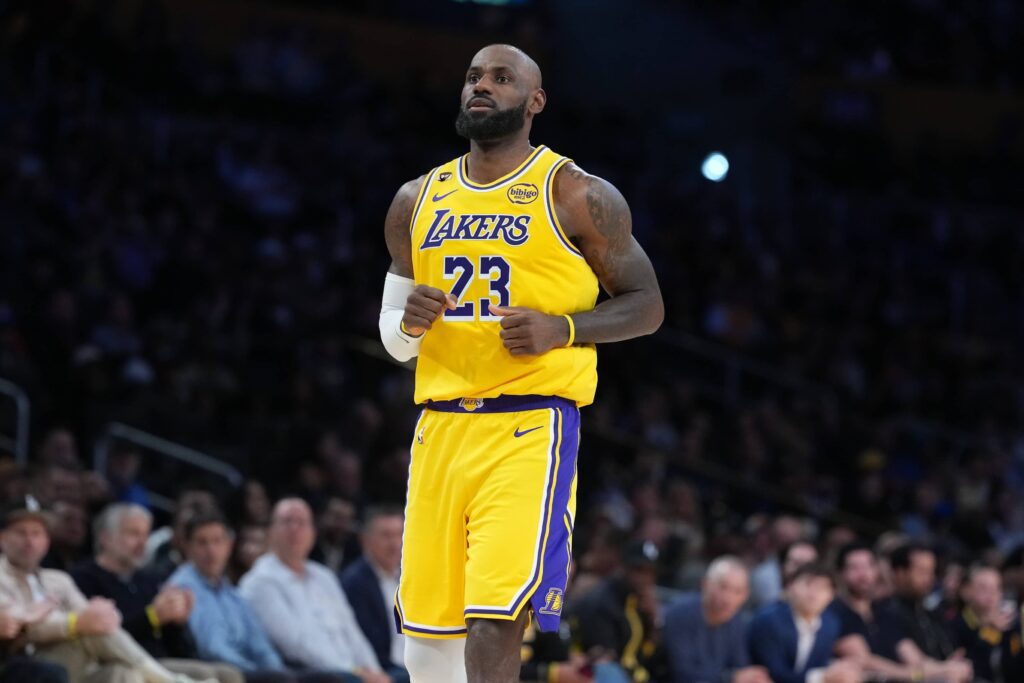
The idea has sparked lively debate among players, analysts, and fans. In recent conversations, optimism about a LeBron-Curry collaboration has grown—not because of a desire to undermine achievements from the past, but because it would fuse two generations of excellence in a single, high-stakes chapter. Imagine LeBron at 42 years old alongside Curry, two players who have faced each other in four NBA Finals from 2015 to 2018, now sharing a locker room and chasing a championship together. For some, that scenario is almost cinematic: a storybook ending that would feel almost scripted for the ages, complete with dramatic late-career dominance and a build-up worthy of an animated epic.
From a storytelling perspective, there’s a strong appeal. LeBron and Curry helped redefine an era of basketball. Their clashes, both in the NBA Finals and during Team USA competition, were defining moments that elevated team strategy, pace, and skill. Watching them unite on the same roster would create a rare convergence of two of the sport’s most influential players, weaving a narrative that fans could rally behind even as it stretches the conventional boundaries of team construction and chemistry in the modern NBA.
There’s also a practical angle to consider. While the league has evolved to emphasize deep rosters, versatility, and player longevity, the possibility of a pairing between two veteran superstars speaks to the enduring appeal of experience and high-IQ basketball. If such a duo could win a championship in their 40s, it would illustrate that age is not necessarily a barrier to achieving peak performance when mentorship, conditioning, and opportunity align.
On the other hand, critics argue that joining forces with a rival could complicate how fans evaluate each player’s career. LeBron has long been at the center of discussions about building “superteams” and the balance between individual greatness and collective success. Pairing him with a player of Curry’s stature would intensify debates about team-building strategy, loyalty to a single franchise, and the meaning of legacy in an era of frequent movement and collaboration at the highest levels. The narrative would inevitably shift from individual achievement to the optics of collaboration among two icons who spent years pushing each other to new heights.
The speculation isn’t occurring in a vacuum. Observers point to ongoing franchise dynamics and public interest in a potential reunion or convergence. If LeBron were to explore opportunities beyond his current team, the Warriors would be among the organizations most closely watched by fans and analysts, given their recent history, championship pedigree, and competitive culture. Any discussions spanning players, contracts, and team fit would be dissected for months, if not years, as the basketball world weighs the potential benefits against the risks of disrupting established dynasties and city loyalties.
Beyond the basketball court, the question touches broader themes about competition, aging, and the evolution of superstars in professional sports. How would two of the game’s most recognizable faces adapt to playing alongside each other after years of direct rivalry? Could they harmonize their styles to maximize efficiency, or would entrenched habits and leadership dynamics complicate on-court chemistry? These considerations contribute to why the scenario remains one of the most discussed what-ifs in contemporary basketball.
In the end, the allure of a LeBron-Curry collaboration lies in its capacity to deliver a definitive, memorable conclusion to two storied careers. It would be more than a reunion; it would be a cultural moment that transcends basketball, inviting fans to imagine what might happen if two of the sport’s most influential players shared a single, epic season. Whether it ultimately proves possible or remains a speculative dream, the conversation itself underscores the enduring fascination with legacy, teamwork, and the pursuit of greatness at the highest level of competition. The prospect continues to captivate because it promises not just a championship run, but a narrative capable of redefining how a generation remembers these two icons and the era they helped shape.